
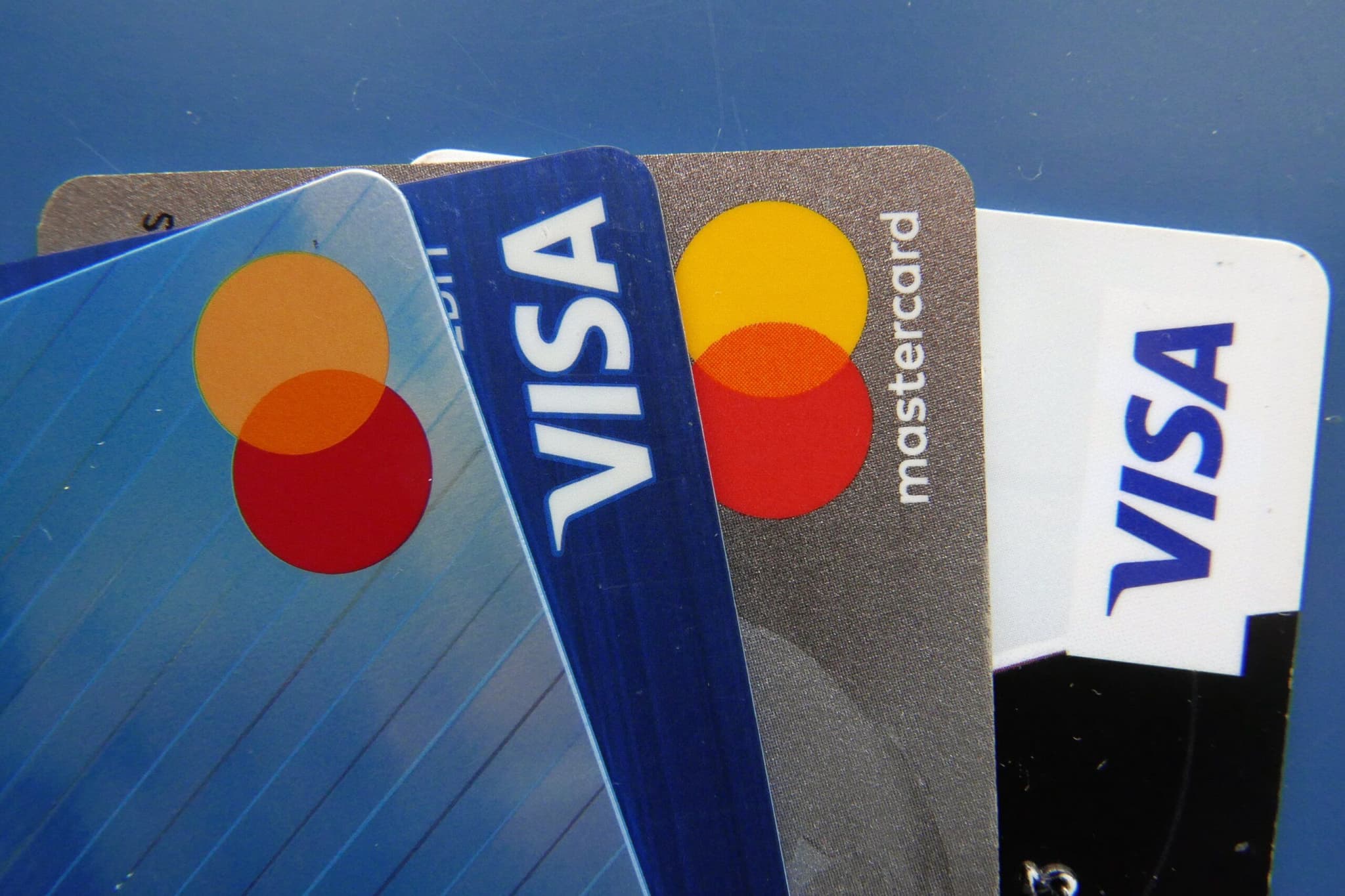
Transfer Money Using Debit Card: Complete Guide to Different Methods

Loan in
60 Minutes
Introduction
Transferring money using a debit card is a convenient option when other payment methods, like UPI or NEFT, are unavailable. It allows for both domestic and international transfers through various platforms, including mobile wallets, payment apps, and even direct card-to-card transfers via networks like Visa Direct and Mastercard Send. Hence, you should get better clarity on the different methods available for transferring money using a debit card, along with the associated limits, fees, and security tips to ensure a safe transaction.
Methods to Transfer Money Using Debit Card
Several methods enable debit card money transfer. Each has distinct characteristics.
Mobile wallet loading then transfer: UPI apps allow adding money using a debit card. Once loaded, the amount can be sent to a recipient's wallet or bank account. It is a two-step process but remains widely accessible.
Payment apps with card-to-bank feature: Some apps specifically enable card-to-bank transfers. Enter debit card details, provide the recipient's account number and IFSC, and complete the transfer. Fees may apply depending on the platform.
Bank's own transfer services: HDFC, ICICI, and other private banks have card-based transfer features within their apps. Customers can send money using a debit card to any bank account, often integrated into internet banking.
Mastercard Send / Visa Direct: International card networks offer money transfer services available through partnered apps. These allow for transfer of money using debit cards directly to other cardholders.
Third-party remittance services: Many such platforms accept debit cards for international transfers. Domestic services also exist, with varying fees.
The best method depends on the amount, urgency, recipient's preferences, and fee tolerance.
Transferring Money Using Debit Card: Limits and Restrictions
Understanding limits helps in planning when the need to transfer money using debit card arises.
Per-Transaction Card Limits
-
Classic/basic debit cards: ₹25,000–₹50,000 daily
-
Gold/premium cards: ₹1–2 lakhs daily
-
Platinum/signature cards: ₹2–5 lakhs daily
These limits apply to total card usage including ATM withdrawals, POS purchases, and online transactions. They are not set separately for each category. Most payment apps also have limits based on the KYC level completed by the individuals.
Bank-imposed online limits can further restrict debit card money transfer. A bank's daily online transaction limit might be ₹50,000 even if the card limit is ₹2 lakhs. Both limits can be increased through net banking. To transfer money with debit card online for larger amounts, both the card limit and the online transaction limit need to be updated through the bank.
International transfers face additional restrictions. The Liberalised Remittance Scheme (LRS) applies, and documentation requirements increase for amounts exceeding $250,000 annually.
Transfer Money with Debit Card Online: Security Considerations
When completing a debit card transaction online, security is a primary concern. The following practices protect against fraud.
OTP verification: The one-time password sent to the registered mobile confirms authorisation. OTPs must never be shared with anyone, including callers claiming to be from a bank.
CVV exposure risks: Every online transaction requires the CVV (three digits on the card back). Entering CVV on unfamiliar websites creates fraud risk. Only established payment platforms should be used.
Secure website verification: Check for "https" in the URL and a padlock icon. Payment pages should show security certifications.
Transaction alerts: SMS and email alerts for all card transactions should be enabled. Immediate notification of unauthorised activity allows quick action to block the card.
Virtual card numbers: Some banks offer virtual card numbers for online transactions. The real card number stays private, and the virtual number expires after a single use.
Merchant trustworthiness: Before card-to-bank transfers through third-party apps, verify app authenticity via Play Store reviews and confirm RBI payment aggregator licensing.
Debit Card Money Transfer vs UPI: Which Is Better?
Both methods move money, but the debit card money transfer approach differs fundamentally from UPI.
-
UPI advantages: Instant transfer with zero fees for most transactions. No card details need to be shared. Works directly between bank accounts with 24/7 availability and higher per-transaction limits in many cases.
-
Debit card transfer situations: When the recipient does not have UPI, when specific apps only accept card payments, or when transferring to wallets rather than bank accounts directly.
-
Speed comparison: UPI transfers complete in seconds. Debit card to wallet is instant, but wallet to bank may take hours. Card-to-card transfers through Visa Direct or Mastercard Send process quickly.
-
Cost comparison: UPI is free. Debit card additions may incur 1–2% fees on some platforms. Transferring money using debit card typically costs more than UPI.
-
Security comparison: UPI requires a PIN for each transaction. Debit card transfers require CVV plus OTP. Both have authentication layers, but UPI does not expose card details. For routine domestic transfers, UPI dominates.
International Money Transfer Using Debit Card
Sending money abroad using a debit card works through specific channels.
Remittance platforms: Wise (formerly TransferWise), Remitly, Western Union Online, and WorldRemit accept debit cards. The recipient receives funds in their local currency.
Exchange rate considerations: Platforms add a margin on exchange rates. Some offer better rates than banks. Comparing before transferring is advisable.
Fee structures: Fees may be a percentage (0.5–3%) or a flat amount (₹100–₹500), or a combination. Total cost depends on the amount and destination.
LRS compliance: Transfers exceeding the threshold require Form A2. Banks track annual foreign remittance against the $250,000 limit, and international debit card transfers count toward this.
Processing time: International debit card money transfer may take 1–5 business days. Wire transfers can be faster but cost more.
Purpose documentation: Education fees, family maintenance, and medical treatment abroad each carry specific documentation requirements beyond a simple transfer request.
Established remittance platforms should be chosen over obscure services. Regulation and recourse matter significantly when transactions encounter issues.
Troubleshooting Failed Debit Card Transfers
When attempting to send money using debit card, failures can occur. Common causes and resolutions are listed below.
-
Insufficient balance: Available balance differs from account balance. Unclear funds or lien amounts reduce available balance.
-
Daily limit exceeded: Card limits, online transaction limits, or merchant category limits may be reached. Waiting for the next day or increasing limits through net banking resolves this.
-
Card not enabled for online transactions: Some banks disable online transactions by default. Enable through the app, net banking, or at an ATM.
-
International transactions blocked: Domestic cards may not work on international platforms. International usage can be enabled temporarily if needed.
-
Incorrect card details: One incorrect digit in a 16-digit number fails the transaction. Double-checking all entries before submission prevents this error.
-
OTP issues: If OTP is not received, check for network delay or an incorrect registered number. Requesting a resend or using alternate verification resolves most cases.
-
Merchant category restrictions: Some banks block specific merchant categories. Transfer apps may fall into unexpected or blocked categories.
Most failures trace to a few basics: ensuring the card is enabled, limits are adequate, balance is sufficient, and all details are correctly entered.
Choosing the Right Transfer Method
The decision to transfer money using a debit card versus other methods depends on specific circumstances.
-
Use debit card transfers when: UPI is unavailable, the recipient needs wallet credit, an international transfer is required, or a specific platform only accepts card payments.
-
Use UPI when: Both parties have UPI, the transfer is domestic, speed matters, and zero fees are preferred. UPI dominates for routine domestic transactions.
-
Use NEFT/IMPS when: Larger amounts are needed, bank-to-bank transfer is preferred, or scheduled transfers are required.
For individuals managing finances that require periodic fund transfers, having multiple payment options in place provides flexibility. Personal loans from Finnable are disbursed directly to bank accounts via NEFT/IMPS, with loan amounts from ₹50,000 to ₹10 lakhs and interest rates from 15% to 30.99% p.a. The fully digital process completes in as little as 60 minutes, ending with a bank transfer rather than a card-based disbursement.
Understanding how to transfer money using debit card adds one more tool to a personal finance toolkit. It is not always the optimal method, but it remains useful when other options are constrained.
Conclusion
Debit card transfers are a practical option when primary methods like UPI or NEFT are unavailable. Whether using mobile wallets, bank-integrated apps, or international remittance platforms, the process involves understanding applicable limits, fees, and security requirements. Ensuring the card is enabled for online transactions, limits are set appropriately, and platforms are verified before use reduces the risk of failed transactions.
About the Author

Yes, through payment apps that allow adding money via debit card and then transferring to bank accounts. Direct debit card to bank account transfer requires an intermediary apps.
Limits depend on card type and bank. Basic cards allow ₹25,000–₹50,000 daily. Premium cards allow ₹1–5 lakhs. Payment apps impose additional KYC-based limits on top of these.
Many apps charge 0–2% for adding money via debit card. Bank-to-bank transfer after that step is often free. Total cost varies by platform and transaction type.
Adding money to a wallet is instant. Wallet to bank transfers take minutes to a few hours. International transfers can take 1–5 business days depending on the service and destination.
Yes, through legitimate apps with OTP verification. Risks arise from phishing, fake apps, and sharing CVV on unverified websites. Only established platforms should be used.
Introduction
Methods to Transfer Money Using Debit Card
Transferring Money Using Debit Card: Limits and Restrictions
Transfer Money with Debit Card Online: Security Considerations
Debit Card Money Transfer vs UPI: Which Is Better?
International Money Transfer Using Debit Card
Troubleshooting Failed Debit Card Transfers
Choosing the Right Transfer Method
Conclusion