What is a PAN Card? India's Tax Identifier Decoded

Loan in
60 Minutes
PAN card refers to a 10-digit alphanumeric unique number that is issued by the IT Department. It is mandatory for filing tax returns, opening bank accounts, investment, buying or selling of property, and other high-value transactions. PAN is a permanent account number that can be applied through online or offline mode from authorized sources.
Quick Reads
-
PAN card refers to a 10-digit alphanumeric unique number that is issued by the IT Department.
-
It is a permanent income tax number. It will remain valid for your whole life.
-
PAN is mandatory for banking, investment, tax, and large purchases.
-
You can apply for PAN via Instant e-PAN, online physical PAN application, or offline application methods.
-
PAN is required for individuals, businesses, Non-Resident Indians, and foreign nationals who deal in taxes and large-value financial transactions.
Walk into any bank to open an account, and they will ask for your PAN card within the first 5 minutes. Apply for a credit card, purchase a property worth more than ₹20 lakhs, or file your income tax returns, and a PAN card becomes mandatory. There’s a common question asked by all who are not aware of PAN card meaning. The question is, "What exactly is a PAN card?"
Think of it like your permanent financial identity that stays with you all your life, no matter how many times you switch jobs and cities or deal with different banks and financial institutions. Everything that has to do with your finances in India is tracked under one unique identification code.
What is a PAN Card?
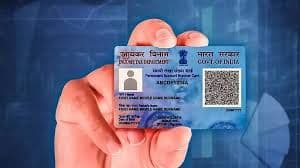
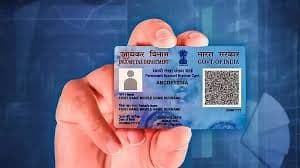
Physically, it is a laminated card of 8.5 cm by 5.4 cm (approximately the size of a credit card). The front of the card carries your 10-digit PAN number, your name as it appears on official records, date of birth, photograph, and signature. On the back of the card, your father’s name and the issue date of the card are printed. PAN cards are issued by the Income Tax (IT) Department through two authorized service providers: Protean (formerly NSDL) and UTIITSL (UTI Infrastructure Technology and Services Limited).
The PAN number is unique for every individual or entity. With this unique PAN number, the Income Tax Department can aggregate all financial information of an individual, irrespective of their location and number of banks they deal with, to track their total income.
What does PAN Card stand for?
PAN full form stands for Permanent Account Number. Every word in the PAN card full form has a specific meaning. ‘Permanent’ means it will last your whole life. Unlike passports that need to be renewed every 10 years or driving licenses that expire, PAN remains valid for life. It is issued to you once, and you hold on to it till the end of your life (or the end of business for a PAN card that is for a business entity). The term ‘Account’ signifies the account held with the Income Tax Department. Every taxpayer, and even any individual taking up any significant financial transactions in India, is required to get a PAN. Finally, the term ‘Number’ is a unique code given to every PAN card to avoid mix-ups.
Structure and Components of PAN Number
Beyond its specific 10-character alphanumeric structure, a PAN card plays a critical role in an individual's daily financial life across India.
Importance of PAN Card in India
PAN card importance is not limited to tax purposes only. There is no set age limit to apply for a PAN card. Even infants and children can get a PAN card with the application done by their parents or guardians. Any adult who intends to file tax returns and deal in financial matters needs to get a PAN card, and there is no maximum age limit for getting a PAN card.
If you try to open a savings account or acquire a credit card without a PAN, the bank will reject your application instantly.
Here is the list where PAN is non-negotiable.
1. Banking Requirements:
-
Opening of any bank account (savings, current, FD)
-
Demat account for stock trading
-
Application for credit cards
-
Cash deposits or withdrawals in excess of ₹10 lakhs in aggregate in a financial year
2. Mandatory Financial Transactions:
-
Transaction on buying or selling of property worth above ₹20 lakhs (by both buyer and seller)
-
Buying jewelry costing above ₹2 lakhs
-
Purchase of vehicles, including two-wheeler vehicles worth more than ₹5 lakhs
-
Hotel and restaurant bills over ₹1 lakh in cash
-
Purchase of any new life insurance policy (irrespective of the amount of premium)
-
Fixed deposits with interest over ₹40,000 per year
3. Investment Activities:
-
Stock market investments
-
Bond purchases worth over ₹50,000
-
IPO participation
-
Dividend payouts and capital gains
4. Business & Professional Use:
-
GST registration (mandatory)
-
Import-Export Code applications
-
Professional tax registrations
-
Partnership firm or company incorporation
-
Invoicing above specified limits for freelancers/consultants
Why is a PAN Card Necessary?
PAN card is necessary because most large financial transactions demand a PAN for compliance with the income tax laws of the country. Some of these financial transactions that require PAN are as follows:
-
Whenever you open a bank account, including a savings account, current account, a fixed deposit, etc
-
Cash deposits and withdrawals from your bank accounts of an aggregate value of more than ₹10 lakhs rupees in a financial year
-
Purchase of property valued at ₹20 lakh or more (any type of property like flat, house, commercial property, etc.) will require quoting of PAN from both the buyer and the seller
-
Purchase of jewelry or bullion amounting to two lakhs rupees or more will require quoting of PAN
-
Purchase of a motor vehicle or motorcycle worth more than five lakhs rupees will need quoting of PAN
-
Payment of cash bills of ₹1 lakh or more for hotel or restaurant bills also requires PAN
While opening a demat account for trading in the stock market, you have to link your PAN. For investing in mutual funds, bonds, fixed deposits (earning more than ₹40,000 interest per year), IPOs, and business owners have to apply for PAN for registering for GST, professional tax, and import-export code. Moreover, PAN is required by the government for buying any new life insurance policy without the previous minimum sum assured.
Steps to Obtain a PAN Card?
An individual can obtain a PAN card in 3 different ways. Below are the 3 options that can be chosen based on the requirements or situation.
Option 1: Get an Instant e-PAN (Free and Online)
-
Visit the Income Tax e-Filing portal
-
Select the Instant e-PAN under Quick Links
-
Select the Get New e-PAN option and enter your 12-digit Aadhaar number
-
Enter the OTP sent to your number
-
Review the displayed information, confirm its accuracy, and save the generated e-PAN as a PDF
Option 2: Apply for a Physical PAN Card (Standard Paid Method)
-
Go to the Protean eGov Technologies Portal or the UTIITSL website
-
Choose the Form 49A (Indian Citizen) option
-
Enter your personal and contact information and submit the application
-
Pay the required processing fees online (approximately ₹91 + GST for an Indian address)
-
Complete E-Sign/e-KYC through an Aadhaar OTP or send physical documents by email
-
Collect your PAN delivery within 15 working days via post
Option 3: Offline Application Process
-
Visit your nearest PAN allotment center/TIN office OR download Form 49A/49AA
-
Fill out the form in BLOCK LETTERS.
-
Affix 2 passport-size photos along with your signature
-
Attach self-attested copies (identity, address, and DOB proof)
-
Submit to the PAN center with a ₹107 fee + GST
-
Collect acknowledgment slip
-
Processing will be done in 15-20 working days
Conclusion
A PAN Card is a vital financial and tax credential in India, as it becomes a mandatory document for filing income tax as well as for financial transactions. Understanding what is PAN card, its significance, and why and when it is needed can help you know about tax and financial rules and regulations.
As your PAN card stays valid for life, it is critical to apply for it at the right time to make your banking, investment, property, and other financial transactions effortless.
About the Author

An online application takes about 10-15 working days to get a physical PAN card, whereas it takes 48-72 hours to get an e-PAN from the date of approval.
Your PAN will become inoperative, and that would result in not being able to file taxes, claim refunds, and perform some financial transactions. Your TDS will also be high.
Yes, it is valid for life, and the PAN number remains the same even after updating personal information.
Yes, foreigners who are entitled to tax or tax-mandated PAN transactions in India can apply for a PAN Card by submitting Form 49AA along with the necessary documents.
No, it is illegal to hold more than one PAN, and any such applicant will have to pay a penalty of ₹10,000 under the Income Tax Act.
What is a PAN Card?
What does PAN Card stand for?
Structure and Components of PAN Number
Why is a PAN Card Necessary?
Steps to Obtain a PAN Card?
Conclusion