How to Read CIBIL Report: What That Document Actually Tells Lenders
Credit Score
Check Your Credit Score
Get instant access to your credit score at no cost. Stay informed and loan-ready.

1.5M+ people
checked their credit Score
Downloaded your CIBIL report for the first time? You’re not alone. Most people need their credit report before a loan application, glance at the score, and ignore everything else. Big mistake.
That report tells lenders your entire borrowing story. Every loan you've taken. Every payment you've made. Every time you applied for credit and got rejected. Banks see all of it before deciding whether to trust you with their money
Learning how to read CIBIL report properly takes about ten minutes. Those ten minutes could save you from surprises during your next loan application.
What Exactly Is a CIBIL Report? - Understanding CIBIL Report
Before breaking down sections, quick context helps if you’re looking for the exact CIBIL report meaning.
The Document That Follows You
Your CIBIL report compiles every credit-related action you've taken over the past seven years or so. Credit cards opened. Loans taken. Payments made or missed. Applications submitted.
TransUnion CIBIL collects this information from banks and NBFCs across India. They package it into a standardised report that any lender can request when you apply for credit.
Think of it as your financial CV. Except you can't edit it directly. And everyone who might lend you money reads it carefully. That’s why understanding CIBIL report details is crucial.
Report vs Score
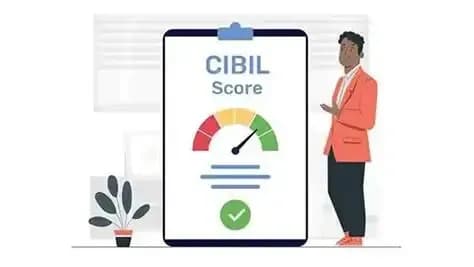
People confuse these constantly. Your credit score is the three-digit number between 300 and 900. The report is the detailed document behind that number.
Score tells lenders quickly whether you're worth considering. Report tells them exactly why. Both matter. But understanding how to read CIBIL score along with the full report gives you real control over your credit profile.
Breaking Down Each Section of Your CIBIL Report
The report contains several sections. Each serves a specific purpose.
Personal Information Section
First up. Basic details about who you are.
This includes your name, date of birth, PAN number, address history, phone numbers, and email addresses. Straightforward stuff mostly.
Why check it? Errors happen. Wrong name spellings. Outdated addresses. Sometimes someone else's information mixed with yours. These mistakes don't directly hurt your score but can cause verification problems during loan processing.
Contact Information
Addresses and phone numbers you've provided to various lenders over time. Multiple entries appear if you've moved or changed numbers.
Banks use this to verify you're reachable. Outdated information doesn't hurt your score but might create hassles during loan verification calls.
Employment Information
Your employer details as reported by lenders during previous applications. Job titles, company names, income brackets sometimes.
Not all lenders report this consistently. Some sections might show old employers. Nothing alarming unless the information belongs to someone else entirely.
The Account Information Section
This part affects your score most directly. Pay attention here.
Account Summary
A snapshot of all credit accounts linked to you. Number of active accounts. Total exposure. Types of credit you've used.
Lenders scan this to see your overall credit behaviour. Too many accounts? Looks overextended. Very few? Limited credit history.
Account Details - Each Credit Line Separately
Every loan and credit card gets its own entry here. This is where understanding CIBIL report matters most.
What each entry shows:
- Account type. Home loan, personal loan, credit card, auto loan. Lenders want variety in your credit mix.
- Ownership. Individual, joint, or guarantor. Being a guarantor for someone else's loan still affects your report.
- Date opened. When you first got this credit. Older accounts help your score by showing long credit history.
- Date of last payment. When you last paid something on this account. Recent activity looks healthy.
- Sanctioned amount or credit limit. How much you were approved for originally.
- Current balance. What you currently owe. For credit cards, lower balances relative to limits help your score.
- Overdue amount. Anything past due. This column should ideally show zero across all accounts.
Payment History - The 36-Month Grid
Here's the critical part. A month-by-month breakdown of your payment behaviour for the past three years.
Each month shows a code:
- STD (Standard) - Paid on time. Green flag.
- SMA (Special Mention Account) - Slight delays starting.
- SUB (Substandard) - Seriously overdue.
- DBT (Doubtful) - Likely to default.
- LSS (Loss) - Written off by lender.
One or two STD lapses don't destroy you. Multiple SUB or DBT entries? Major red flags for any lender.
Tip: Check your payment history grid carefully. Banks sometimes report late payments incorrectly. You can dispute these through the CIBIL portal.
Understanding Credit Enquiries
Every time you apply for credit, the lender checks your report. That check gets recorded.
Hard Enquiries vs Soft Enquiries
Hard enquiries happen when you formally apply for a loan or credit card. These affect your score slightly. Too many in a short period signals desperation.
Soft enquiries occur when you check your own report or when lenders pre-screen you for offers. These don't impact your score at all.
How Many Is Too Many?
Three to four hard enquiries per year sits in the normal range. Six or more within six months raises concerns. Lenders wonder why others rejected you.
The enquiry section shows institution names, dates, and what they were checking for. Seeing enquiries from institutions you never approached? Possible fraud. Report immediately.
Spotting Errors in Your CIBIL Report
Mistakes appear more often than you'd expect. Finding and fixing them matters.
Common Errors to Watch
Accounts that aren't yours. Someone else's loan showing on your report. Identity mix-up or potential fraud.
Closed accounts showing as open. You paid off that loan years ago. Still shows outstanding balance. This needs correction.
Wrong payment status. Paid on time but marked late. Happens when banks submit incorrect data.
Duplicate accounts. Same loan appearing twice, inflating your apparent debt.
Incorrect credit limits. Showing lower limits than actual, making your utilisation ratio look worse.
How to Dispute Errors
CIBIL offers an online dispute mechanism. Submit your correction request with supporting documents. The bureau contacts the reporting institution to verify.
Resolution typically takes thirty to forty-five days for valid claims. Keep records of payments, closure letters, and any communication with lenders.
Tip: Download your report from all four bureaus - CIBIL, Experian, Equifax, and CRIF High Mark. Errors might appear on one but not others.
What Lenders Actually Focus On
Not every section gets equal attention during loan assessment.
Payment Track Record
Dominates their evaluation. Consistent on-time payments across all accounts signals reliability. Even one written-off account creates serious problems.
Credit Utilisation
For credit cards especially. Using ninety percent of your limit every month suggests financial stress. Under thirty percent looks healthy.
Length of Credit History
Older accounts help. Someone with five years of clean credit history appears more stable than someone with six months.
Recent Application Activity
Applied for five credit cards last month? Banks get nervous. Spaced out applications over time look more responsible.
Mix of Credit
Only credit cards? Shows limited experience. Having a mix of cards and instalment loans demonstrates handling different credit types.
Using Your Report to Improve Your Score
Reading your report isn't just about understanding. It's about identifying improvement opportunities.
Fix What's Wrong
Dispute errors immediately. Incorrect late payments, wrong balances, accounts that aren't yours. Every correction potentially boosts your score.
Pay Down High Balances
Credit card balances dragging you down? Paying them below thirty percent utilisation helps significantly. Below ten percent helps even more.
Don't Close Old Accounts
That old credit card you never use? Keep it active with small purchases. Closing it removes its history from contributing positively.
Stop Applying Everywhere
Each rejected application adds a hard enquiry without adding credit. Research eligibility before applying anywhere.
Finnable offers eligibility checks that don't affect your credit score. Know your chances before formally applying.
When to Check Your CIBIL Report
Regular monitoring catches problems early.
Before Major Applications
Planning to apply for a home loan? Check your report three to six months ahead. Gives time to fix errors and improve weak areas.
After Loan Closure
Paid off that personal loan? Verify it shows as closed on your report within sixty days. Chase the lender if it doesn't.
Annually at Minimum
Even without upcoming loan plans. One free report per year from each bureau. Use them to monitor for fraud and track your credit health.
After Any Suspicious Activity
Got calls about loans you didn't apply for? Someone might be misusing your identity. Check your report immediately.
Tip: Set calendar reminders to check your credit report quarterly. Early detection prevents bigger problems.
Moving Forward with Your Credit Knowledge
Your CIBIL report isn't some mysterious document that only bankers understand. Every section serves a purpose. Every code has meaning. Now you know what lenders see when they evaluate you.
Finnable, an RBI-licensed NBFC, offers personal loans from twenty-five thousand to ten lakhs. Interest rates range from 15% to 30.99% p.a. based on your credit profile. Processing fees up to five percent apply. Disbursement happens in as fast as sixty minutes for eligible applicants.

At least twice a year for general monitoring. Before any major loan application, check three to six months early. After closing any loan, verify it reflects correctly within sixty days.
Not at all. Self-checks are soft enquiries. Zero impact on your score. Check as often as you want.
Days Past Due. Shows how many days late a payment was. DPD of zero means on-time payment. Higher numbers indicate delay severity.
Raise a dispute through the CIBIL portal with supporting documents. They'll verify with the reporting institution. Corrections typically happen within thirty to forty-five days for valid claims.
Could be pre-approved offer screenings (harmless) or potential fraud. If institutions seem unfamiliar, contact CIBIL and those institutions immediately.
Most negative information remains for seven years from the date of occurrence. Written-off accounts and settled accounts leave lasting marks.
Closed means you paid the full amount. Settled means the lender accepted less than owed. Settled accounts hurt your score more than properly closed ones.
Credit Score
Check Your Credit Score
Get instant access to your credit score at no cost. Stay informed and loan-ready.
1.5M+ people
checked their credit Score
What Exactly Is a CIBIL Report? - Understanding CIBIL Report
Breaking Down Each Section of Your CIBIL Report
The Account Information Section
Understanding Credit Enquiries
Spotting Errors in Your CIBIL Report
What Lenders Actually Focus On
Using Your Report to Improve Your Score
When to Check Your CIBIL Report
Moving Forward with Your Credit Knowledge