

Introduction
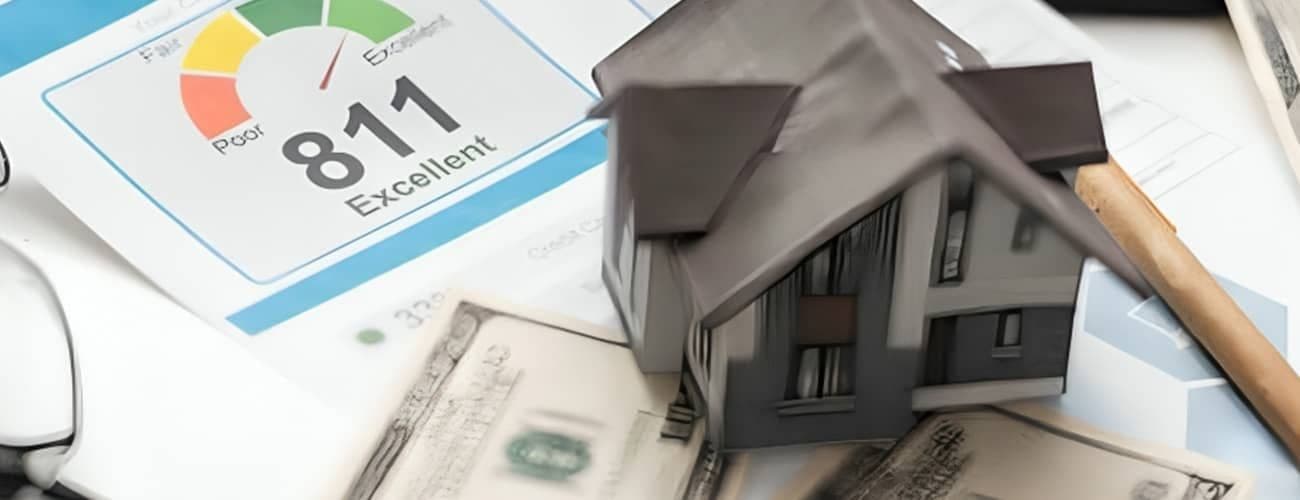
When you plan to apply for a home loan, your CIBIL score becomes one of the most important numbers in the process. This three-digit score represents your creditworthiness and can directly influence your loan approval, interest rates, and the overall borrowing experience. Here’s a clear guide to understanding the role of CIBIL scores and how they shape your home loan journey.
What is a CIBIL Score?
A CIBIL score is a numerical summary of your credit history, ranging from 300 to 900. It’s calculated based on your repayment track record, credit utilization, and overall borrowing behaviour. A higher score signals financial responsibility, making it easier to secure favourable loan terms.
How Does Your CIBIL Score Affect Home Loan Approval?
- Loan Eligibility: Most banks and financial institutions look for a minimum CIBIL score of 700 or higher to approve a home loan. A lower score may reduce your chances or result in stricter conditions.
- Interest Rates: Borrowers with higher scores are often rewarded with lower interest rates, translating into substantial savings over the loan tenure.
- Loan Amount: A strong score can help you qualify for a larger loan amount, giving you more flexibility in purchasing your desired property.
- Approval Speed: Lenders prioritize applications with higher scores, leading to faster processing and disbursal.
How to Check Your CIBIL Score?
You can access your CIBIL score online in just a few steps:
- Visit the CIBIL website or a recognised credit bureau platform.
- Provide the necessary details, including your PAN card number.
- Verify your identity to view your credit report and score.
- The first report each year is free, and you can subscribe for regular updates if needed.
Factors That Influence Your CIBIL Score
- Repayment History: Consistently paying EMIs and credit card bills on time positively impacts your score.
- Credit Utilization: Using more than 30% of your credit limit can lower your score.
- Credit Mix: A balance between secured (home loans) and unsecured loans (personal loans, credit cards) helps improve your profile.
- Credit History Length: A longer and well-maintained credit history contributes to a higher score.
- Credit Inquiries: Frequent applications for loans or credit cards can negatively affect your score.
Tips to Improve Your CIBIL Score Before Applying for a Home Loan
- Timely Payments: Automate bill and EMI payments to avoid late fees and negative entries.
- Manage Credit Utilization: Keep your credit card usage below 30% of the available limit.
- Limit New Credit Applications: Too many inquiries can indicate financial stress and reduce your score.
- Dispute Errors: Check your credit report for inaccuracies and raise disputes for corrections.
- Maintain a Healthy Credit Mix: Combine secured and unsecured loans to reflect responsible borrowing.
What to Do if Your CIBIL Score is Low?
While a lower score might limit your options, some lenders offer home loans to individuals with scores below 700, albeit at higher interest rates. Adding a co-applicant with a better credit score can also improve your chances.
How is CIBIL Score Used for Home Loans?
- Determining Loan Eligibility: Lenders assess your CIBIL score to decide if you meet their minimum criteria for loan approval. Most banks require a score of 700 or higher for home loan applications. If your score falls below this threshold, you may face challenges such as rejection or stricter terms.
- Setting Interest Rates: A high CIBIL score increases your chances of securing a lower interest rate. Lenders view borrowers with higher scores as less risky, so they reward them with more favourable rates. Conversely, a lower score may result in higher interest rates, making the loan more expensive over time.
- Approving Loan Amount: The amount of loan you’re eligible for is also influenced by your credit score. Borrowers with strong scores may qualify for a higher loan amount, while those with lower scores may only be approved for smaller sums due to perceived risk.
- Evaluating Repayment Capacity: Although your income and financial obligations are also considered, your CIBIL score provides insight into your repayment habits. A high score reflects a track record of timely payments, boosting lender confidence in your ability to repay the loan.
- Speed of Loan Processing: A strong credit score can expedite the loan approval process. Lenders are more likely to process applications from low-risk borrowers quickly, reducing delays and ensuring faster disbursal of funds.
- Negotiating Loan Terms: Borrowers with excellent CIBIL scores have more leverage when negotiating loan terms. From flexible repayment options to lower processing fees, a good score can provide significant financial benefits.
- Considering Co-Applicants: If your individual score is low, lenders may consider the CIBIL score of a co-applicant (e.g., spouse or family member). A strong co-applicant score can improve the overall credit profile, increasing the chances of approval or better terms.
Conclusion
A strong CIBIL score is an essential tool for securing a home loan with favourable terms. By maintaining financial discipline, checking your credit report regularly, and addressing any discrepancies, you can enhance your credit profile and make your home-buying journey smoother and more affordable. Start building or improving your score today to take the first step toward owning your dream home.
About the Author

Yes, but your interest rate may be higher, and the loan amount might be restricted.
It’s advisable to check your score every six months or before applying for a major loan.
No, viewing your score through a soft inquiry doesn’t impact your credit score.
Introduction
What is a CIBIL Score?
How Does Your CIBIL Score Affect Home Loan Approval?
How to Check Your CIBIL Score?
Factors That Influence Your CIBIL Score
Tips to Improve Your CIBIL Score Before Applying for a Home Loan
What to Do if Your CIBIL Score is Low?
How is CIBIL Score Used for Home Loans?
Conclusion


