
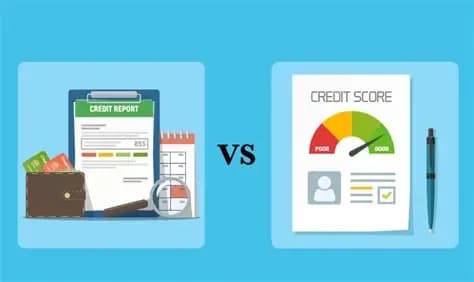
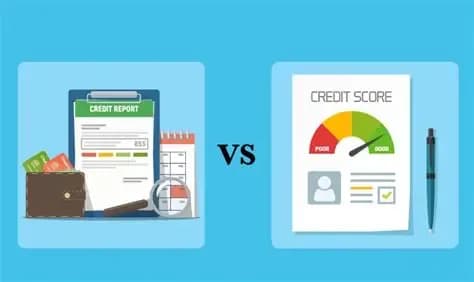
Credit Score vs Report: Understanding the Difference and Why Both Matter

Introduction
People mix these up constantly, asking about their credit report when they mean their score, or wanting to check their credit score when they actually need the full report. The credit score vs report distinction matters significantly though, especially when something goes wrong with your loan application.
Credit score is a three-digit number ranging from 300 to 900 in India, while your credit report is a multi-page document explaining how you earned that number. Think of the score as your final grade and the report as the exam paper showing all your work.
The difference between credit score and credit report becomes crystal clear when you need to fix something. You cannot change the score directly since you have to fix the report first, and then the score follows. Understanding this relationship saves considerable time and frustration when preparing for loan applications.
What Exactly is a Credit Score?
A credit score is simply a number that summarises your creditworthiness. CIBIL gives you something between 300 and 900, and so do Experian, Equifax, and CRIF High Mark. Lenders use this number for quick filtering since a score below 650 makes many banks stop reading your application immediately, while a score above 750 opens doors to better rates, faster approvals, and higher limits.
The score crunches your entire credit history into a single figure using weighted factors.
-
Payment behaviour carries roughly 35% weight
-
Credit utilisation accounts for about 30%
-
Length of credit history contributes 15%
-
Credit mix adds 10%, and
-
New credit applications make up the remaining 10%.
Each bureau weights things slightly differently, but these core factors drive all of them.
Scores change monthly as bureaus receive updated data from your lenders. If you pay off ₹50,000 in credit card debt today, your score should reflect that improvement within 30-45 days once your card issuer reports the new lower balance. For scores, simply run a quick free credit score check with Finnable which uses a soft enquiry that never impacts your score, making it ideal for regular monitoring.
What Exactly Is a Credit Report?
A credit report is a detailed document that typically runs several pages and contains everything used to calculate your score plus additional details that do not directly affect the number.
The personal section lists your name, PAN, date of birth, addresses both current and previous, employers, and phone numbers. All of this information gets pulled from your credit applications over the years, and errors in this section frequently cause identity confusion problems.
The account section shows every credit relationship you have maintained. Each credit card entry displays the issuer, credit limit, current balance, and a payment string showing each month's status. Each loan shows the sanctioned amount, outstanding balance, and complete EMI history. Every account indicates when it opened, how it has performed, and whether it remains active.
The inquiry section logs every time a lender checked your credit, showing the date, lender name, and purpose. Ten inquiries clustered in two months looks desperate to lenders, while one inquiry every six months appears measured and responsible.
Credit Report vs Credit Score: The Key Distinctions
The format differs obviously since a score fits in three digits while a report needs multiple pages to convey all the information.
Purpose differs significantly too. Lenders use the score for quick screening that takes just seconds, but they use the report for detailed analysis that might take minutes or hours depending on the underwriter and loan size.
The difference between credit score and credit report also shows up in what actions you can take. You cannot dispute your score directly, but you can absolutely dispute report errors. If there is a wrong late payment notation or an account that does not belong to you, dispute it through the bureau. Get the report fixed, and your CIBIL score adjusts automatically.
Updates happen similarly for both since lenders report monthly and bureaus process the data. Both your score and report reflect whatever information the bureau has most recently received.
Why Checking Only Credit Your Score Is Not Enough
Suppose your score dropped 60 points last month. The score itself does not tell you why since it just shows a new lower number. The report reveals the actual cause, which might be a card issuer incorrectly reporting a late payment, an old loan suddenly appearing as defaulted, or someone opening an account using your identity.
The credit score vs report knowledge matters most during problem-solving. The symptom is the low score, but the diagnosis requires reviewing the full report. You simply cannot fix what you cannot identify.
Before any significant loan application, check both your score and full report. Give yourself 60-90 days to find problems early, dispute them, and let corrections process. Then apply with clean information backing up your score.
Common Report Errors That Crush Scores
-
Duplicate accounts create problems when the same loan appears twice, artificially doubling your debt load and making your debt-to-income ratio look terrible for something that does not actually exist.
-
Wrong payment status occurs when you paid on time but the lender reported 30-days-late anyway. One wrong code like this can drop your score by 50 points or more.
-
Someone else's account appearing on your report happens due to PAN mix-ups or identity theft, putting their ₹3 lakh default on your record through no fault of yours.
-
Outdated information sometimes lingers when a settled account from eight years ago should have dropped off but remains sitting there, continuing to damage your profile.
-
Wrong credit limits get reported when your actual limit is ₹2 lakhs but the report shows ₹50,000, making your utilisation appear 4x higher than reality.
How to Check Both Effectively
You can use third-party platforms or financial marketplaces to check your credit scores. They provide monthly updates without affecting your score and work well for tracking trends.
For full reports, go directly to bureau websites including CIBIL.com, Experian.in, Equifax.co.in, and CRIFHighMark.com. Each offers one free report yearly as mandated by RBI. Space them out by checking one bureau every three months for year-round coverage at zero cost.
When credit report vs credit score matters most is before major borrowing. Check detailed reports from at least two bureaus 2-3 months before applying to give yourself time to address anything wrong. Finnable's eligibility evaluation considers multiple factors, but clean credit data definitely helps your case.
What Lenders See vs What You See
The information is mostly the same since lenders get your report and score just like you can access them. Some additional technical details might appear for lenders (like exact scoring model version), but the core data matches what you see.
The difference is that lenders know how to read reports quickly and spot patterns instantly. That settled account from 2022, the inquiry cluster in March 2025, the slowly rising utilisation trend across several months, underwriters see complete narratives in the numbers.
You can develop this same skill through regular practice. Review your own reports frequently and learn what looks good (long history of zero late payments) versus what looks concerning (multiple recent inquiries, high utilisation, settled accounts).
About the Author

Yes, minor errors might not significantly tank the score calculation but could still raise flags during manual review. Old negative items hurt less over time even if still visible. Clean reports always help regardless of score level.
Full report checks should happen at least annually from each bureau, more often before major loan applications. Score monitoring can be monthly through free services. Before applying for any significant credit, check both 2-3 months ahead.
Initial screening typically uses scores for speed. Deeper review examines reports. Small loans might go score-only while larger loans like home loans or big personal loans usually get full report review.
Different sites pull from different bureaus with different algorithms. CIBIL, Experian, and Equifax scores vary by 20-50 points normally because of different calculation methods and data sources.
Ideally yes, because different lenders report to different bureaus. An error might appear on one report but not others, so a complete picture requires checking all four.
Introduction
What Exactly is a Credit Score?
What Exactly Is a Credit Report?
Credit Report vs Credit Score: The Key Distinctions
Why Checking Only Credit Your Score Is Not Enough
Common Report Errors That Crush Scores
How to Check Both Effectively
What Lenders See vs What You See


