
What’s a Good Credit Score for Students? Everything You Need to Know

If you’re a student in India, credit scores may feel like something you only need to consider later in life, maybe when you’re applying for a home loan or buying a car. But here’s the fact: your financial journey starts earlier than you think. Whether you’re taking an education loan, using a student credit card, or even just planning your first job, credit score for students is the silent number that can either open or close doors.
But what exactly counts as a good credit score? And how do you build one when you’re still in college, juggling classes and assignments? Let’s break it down.
Why Credit Score Matters for Students
Before getting into what’s “good” or “bad,” let’s talk about why a credit score for students even matters in the first place.
- Future Loans – Whether it’s for higher studies, a car, or your first home, banks will check your history.
- Job Applications – Some employers in India, especially in finance, glance at credit reports.
- Financial Independence – A good score shows you can manage money responsibly, even as a student.
In short, the earlier you start, the better equipped you’ll be.
What is a Good Credit Score for Students in India?
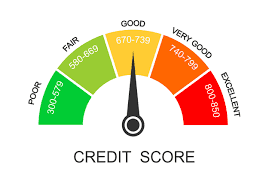
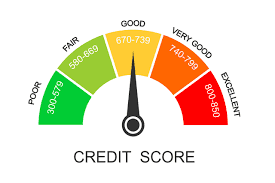
Credit scores in our country typically range between 300 and 900, with 750+ considered excellent. For students who are just starting out, lenders don’t expect perfection, but they do want to see a responsible trend.
Score Ranges and Meaning
|
Credit Score Range |
What It Means |
Student Impact |
|
300 – 579 |
Poor |
Hard to get loans/credit cards |
|
580 – 669 |
Fair |
Some approvals possible but with high interest |
|
670 – 749 |
Good |
Eligible for many financial products |
|
750 – 900 |
Excellent |
Access to best interest rates and faster approvals |
For a credit score for students, hitting 700+ is a solid start.
Do Student Loans Affect Credit Score?
Yes, absolutely. Many students wonder, “do student loans affect credit score?” The answer is yes, and in both positive and negative ways.
- Positive Impact – If you repay your EMIs on time, your student loans and credit score relationship can be very healthy, steadily improving your number.
- Negative Impact – Missed payments, late fees, or defaults will pull your score down, sometimes drastically.
So, student loans are not just a way to pay for education, they’re also your first big test in financial responsibility.
How to Build Credit as a Student in India
If you’re wondering, “how to build credit as a student?”, the good news is, it’s very possible even without a full-time job.
Steps You Can Take
Start with a Student Credit Card
Many Indian banks offer student-friendly cards against fixed deposits. Use them responsibly, keep utilization below 30%, and pay bills on time.
Take Small Loans or Pay EMIs
Even a simple EMI purchase, like a laptop, paid on time helps create a positive repayment history.
Pay All Bills on Time
Mobile, internet, or education loan EMIs, every on-time payment adds weight to your profile.
Avoid Over-Borrowing
Taking multiple loans as a student can backfire. Focus on one manageable credit product at a time.
Monitor Your Credit Report
Check your credit report at least once a year to ensure there are no errors.
Student Loans and Credit Score: A Double-Edged Sword
While student loans and credit scores often go hand in hand, it’s worth remembering that repayment behavior is everything.
Here’s a simple chart to show how it works:
|
Repayment Behavior |
Impact on Credit Score (Points) |
Effect |
|
On-time Repayment |
50 |
Positive |
|
Late Payment |
-20 |
Negative (Mild) |
|
Default |
-100 |
Negative (Severe) |
This visual helps students see the long-term effect of repayment discipline.
Common Myths About Credit Score for Students
Myth 1: Students don’t need a credit score
Reality: Lenders start building your profile the moment you take a loan or card.
Myth 2: Student loans don’t count
Reality: As we’ve seen, “do student loans affect credit score?” Yes, they do, and often set the tone for your financial future.
Myth 3: One missed payment doesn’t matter
Reality: Even a single late EMI can hurt your score and stay on record for years.
Tips to Maintain a Good Credit Score for Students
- Always pay EMIs and bills before the due date.
- Don’t apply for too many loans or cards at once.
- Use credit only when needed.
- Regularly review your credit report to catch mistakes early.
By following these steps, students can ensure their credit score for students steadily climbs year after year.
Conclusion
A credit score for students isn’t just a three-digit number, it’s your financial reputation. Starting early gives you a big advantage. Whether you’re taking the first steps on how to build credit as a student through responsible card use or carefully managing student loans and credit score, every action counts.
So, while academics might be your main priority today, don’t ignore the silent subject of personal finance. Build good habits now, and by the time you’re ready for bigger financial moves, your score will already be working in your favor.
About the Author

A score of 700+ is considered good, while 750+ is excellent and improves your chances of loan approvals. You can easily check your credit score for free on Finnable to understand where you stand and take steps to improve it.
You can start with a student credit card against a fixed deposit, pay small EMIs, and always clear bills on time.
Yes, both your and your parents’ credit reports can reflect repayment behavior.
Definitely. A well-managed student loan builds trust with banks, making future borrowing easier.
Yes, bureaus like CIBIL, Experian, or CRIF High Mark allow one free report per year.
Why Credit Score Matters for Students
What is a Good Credit Score for Students in India?
Do Student Loans Affect Credit Score?
How to Build Credit as a Student in India
Student Loans and Credit Score: A Double-Edged Sword
Common Myths About Credit Score for Students
Tips to Maintain a Good Credit Score for Students
Conclusion


