Credit Score
Check Your Credit Score
Get instant access to your credit score at no cost. Stay informed and loan-ready.

1.5M+ people
checked their credit Score
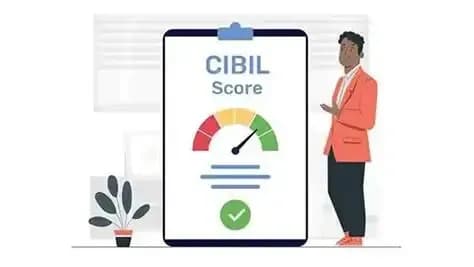
Most borrowers searching for information about a 737 CIBIL score want one of two things, reassurance that it is good enough, or a clear path to improving it. Both are reasonable. The score clears the eligibility bar at most banks and NBFCs in India. It also sits 13 points below the Excellent band, where meaningfully better interest rates begin. Those two facts together define what 737 gives a borrower and what it does not.
The practical difference between 737 and a score above 750 shows up most clearly in loan pricing. On shorter personal loans, the gap in rupee terms may be modest. On home loans stretched over 15 to 20 years, the rate differential compounds into a figure worth considering. Whether that difference matters for a specific borrowing decision depends on the loan type, the amount, and the timeline.
What is a 737 CIBIL score?
CIBIL classifies scores into four bands: Poor (300-549), Fair (550-649), Good (650-749), and Excellent (750-900).
A CIBIL score of 737 lands in the upper portion of the good band, 13 points from the Excellent threshold. Lenders who apply internal sub-bands within good often place 730-749 in a more favourable tier than 650-699. Both technically qualify as Good, but the practical lending outcome of a 737-credit score tends to be better than the single-label description suggests.
What Bureaus Infer From it
A 737 CIBIL score tells any bureau's risk model that the borrower has serviced obligations with reasonable consistency, kept utilisation at levels that don't indicate financial stress, and built a history long enough to generate a meaningful score. No automatic exclusion flags attach to this profile. What it doesn't yet signal is the extended clean history and low-utilisation pattern that characterises Excellent-band profiles. Reaching 750 requires deliberate effort, not just time.
Is 737 a Good Credit Score?
Yes. That said, good describes the second-highest of four bands, not the top. Borrowers at 737 qualify for personal loans, home loans, vehicle loans, and most mid-tier credit cards. Their rates are competitive compared to Fair-band borrowers. They are not yet at the floor rates lenders reserve for Excellent profiles. A score of 737 is a solid position to borrow from, and it is also 13 points from a better one.
How Lenders Read the Application
The credit score is the first filter, not the only one. A 737-credit score clears that filter comfortably. The application then moves to income, debt-to-income ratio, employment continuity, and a detailed look at the credit report beyond the summary number. Two applicants tied at the same score can receive different outcomes: one with a clean DPD record and a 28% debt-to-income ratio, another with two late-payment entries from 16 months back and a 46% ratio. Identical score, very different credit profiles.
Loan Access at This Score Level
At a 737 CIBIL score, the chances of approval improve to obtain personal loans from Rs. 50,000 to Rs. 10 lakhs, with rates from 15% to 30.99% p.a. on a reducing balance basis, processing fees up to 4%, and disbursal in 60 minutes after approval. This score sits well above Finnable's minimum threshold of 675. For home loans at major banks, it supports approval but places the borrower in the standard rate tier rather than the premium one. Vehicle loans and mid-tier credit cards are accessible with standard documentation.
Impact on Loan Approvals and Interest Rates
Personal loan approval at a 737 CIBIL score is available from nearly all NBFCs and most banks. The score passes the credit check; income and documentation are the remaining variables. Home loans are accessible as well, though most large banks set their lowest rate tiers at 750 or above. Vehicle financing and business loans for salaried applicants are available without significant additional conditions.
The financial cost of the 13-point gap depends heavily on the loan type. On a Rs. 5 lakh personal loan over 36 months; a 75-basis-point rate difference between a 737 credit score and a 760-score borrower adds roughly Rs. 8,500 to total interest paid. The same gap on Rs. 45 lakh home loan over 20 years compounds to approximately Rs. 3.4 lakhs. For urgent personal borrowing, that difference rarely justifies delay. For a large home purchase that can wait four to six months, improving the score first produces a measurable return.
Pre-Approved Offers
This score qualifies for pre-approved offers from lenders and fintech platforms that run periodic soft-inquiry eligibility checks. These arrive through banking apps and registered contact channels without any action from the borrower, with no commitment until a formal application is submitted. The soft inquiry behind a pre-approved offer has zero effect on the credit score. A hard inquiry occurs only when the borrower submits a formal application at the point of approval processing.
How to Improve CIBIL score further
The Two Highest-Weight Levers
Payment history and credit utilisation collectively account for 65% of the CIBIL score, making them the most productive targets for a borrower working to push a CIBIL score of 737 past 750. On the payment side, the requirement is simple: zero missed payments across every active obligation from this point forward. Auto-debit mandates on all EMIs and card minimum payments eliminate oversight-driven defaults, which are the most common cause of payment failures among borrowers who are not in genuine financial difficulty.
Utilisation improvement delivers faster results. Bringing combined card balances at statement date from 30-35% down to below 20% of available limits typically adds 15 to 20 points within two billing cycles, without requiring new accounts or loan closures. On a Rs. 2 lakh combined card limit, the target statement balance is below Rs. 40,000. A credit limit increase from existing issuers, which most banks grant without a hard inquiry for accounts in good standing, achieves the same reduction without requiring a spending cut.
Report Monitoring and Error Correction
Credit report errors are more common than most borrowers expect. An account flagged delinquent in error, a repaid loan not updated to Closed, or a settled card still showing an outstanding balance can suppress the 737 credit score by 15 to 30 points when present. Reviewing the report from at least one bureau every six months is standard practice. Disputes filed through the bureau's online portal are typically resolved in 30 to 45 days, after which corrected data flows into the next score update.
Inquiries and Credit Mix
Each hard inquiry from a formal credit application reduces the score by 5 to 10 points and remains visible for two years. A borrower who applies to four or five lenders in quick succession to compare terms may find their score of 737 dropping toward 710 through inquiry accumulation before any loan is disbursed. Using soft-inquiry eligibility checks allows the borrower to assess likely approval and rates without any score impact.
Credit mix (the balance of secured and unsecured credit in the profile) accounts for around 10% of the score. For borrowers whose profile is dominated by credit cards, adding a secured loan when a genuine need arises contributes diversification that supports the mix component over subsequent months. Taking loans purely to improve mix, without an actual financial need, creates unnecessary EMI obligations that rarely justify the modest score benefit.
Reading the Credit Report
The Trend Matters as Much as the Number
The credit report shows the current score alongside a trend for the preceding 12 to 24 months. A 737 credit score that has risen from 712 over eight months tells a lender the borrower is actively improving their financial habits. A 737 that has declined from 758 suggests recent deterioration that the current number has not yet fully absorbed. Lenders who weigh trend alongside score sometimes apply better terms to a rising profile at 737 than to a flat profile at 742.
Factors Supporting and Suppressing the Score
The credit factors section of the report identifies what is helping and what is holding back your score. Borrowers at this level usually have a positive payment history factor from a largely clean track record. Suppressing factors typically include utilisation above 25%, one or two DPD entries from 12 to 24 months ago still within the scoring window, and in some cases a history that is shorter than premium-rate lenders prefer. Identifying the specific suppressing factors is the starting point for improvement, since the path from 737 to 750 is not the same for every profile.
Two 737 Profiles, Very Different Histories
The account summary lists every active and closed credit account with full payment history. Two borrowers tied at the same score can arrive at that number through different routes: one through a long clean record with utilisation in the 28 to 32% range, another through lower utilisation but three DPD entries from 18 to 24 months ago still within the scoring window. Both produce the same summary score. The improvement path for each differs substantially, and a lender reading the full report will treat each profile differently despite the identical front-page number.
Why Loans Sometimes Get Rejected at 737
Repayment Capacity Is Separate from Creditworthiness
Credit approval involves two evaluations running in parallel. The credit score addresses creditworthiness, the pattern of meeting past obligations. The repayment capacity assessment addresses whether the borrower can service a new loan given current income and existing EMI load. Lenders typically apply a debt-to-income ceiling of 40 to 50%. A borrower with a credit score of 737 who already commits Rs. 26,000 monthly to EMIs against a Rs. 54,000 net income is at a 48% ratio, near the outer limit most lenders accommodate. Adding a new EMI in that situation constrains the approvable amount regardless of the credit score.
Report Errors and Inquiry Patterns
Unresolved errors can slow down a loan process, even if a 737 credit score would otherwise support approval. An account incorrectly marked delinquent, a settled loan still showing as outstanding, or a data mismatch between the application and the report triggers manual review. Clusters of recent hard inquiries from multiple applications are visible to every lender who pulls the report and raise questions about whether prior applications were declined.
Guarantor Obligations and Employment Continuity
Borrowers who have co-signed or guaranteed another person's loan carry those accounts in their own credit file. If the primary borrower records a missed payment, the DPD entry appears on the guarantor's report as well, affecting the 737 CIBIL score directly. Frequent employer changes, a recent shift from salaried to self-employed status, or salary credits that don't match stated income introduce underwriting uncertainty that a good credit score alone cannot resolve.

Yes, it clears the credit eligibility threshold at most banks and NBFCs in India. Finnable's minimum score requirement is 675, so 737 qualifies with room to spare. Approval depends on income, existing EMI obligations, and documentation alongside the score. They approve loans from Rs. 50,000 to Rs. 10 lakhs with disbursal in 60 minutes post-approval.
The Excellent band starts at 750 and if you have a score of 737, you are just 13 points away. Reducing credit utilisation below 20% typically produces a visible gain within two billing cycles. Correcting any errors in the credit report can add further recovery. The gap is closeable in three to four months with focused effort.
This score places the borrower in the competitive rate tier, 50 to 100 basis points above what Excellent-band borrowers receive from the same lender. Personal loan rates typically start from 15% p.a. on a reducing balance basis. On home loans over 15 to 20 years, that rate gap compounds significantly and makes score improvement before large, secured borrowing financially worthwhile.
Checking the credit score personally through official bureau channels or through platforms is a soft inquiry with zero effect on the Cibil score. Only hard inquiries from formal loan or card applications reduce the score. Soft checks can be done as frequently as needed without consequence.
The fastest route from a score of 737 to 750 is reducing credit utilisation across all cards to below 20% of available limits. The score gain typically appears within two billing cycles. Correcting any errors found in the credit report adds recovery without requiring any change in financial behaviour.
Credit Score
Check Your Credit Score
Get instant access to your credit score at no cost. Stay informed and loan-ready.
1.5M+ people
checked their credit Score
What is a 737 CIBIL score?
What Bureaus Infer From it
Is 737 a Good Credit Score?
How Lenders Read the Application
Impact on Loan Approvals and Interest Rates
How to Improve CIBIL score further
Reading the Credit Report
Why Loans Sometimes Get Rejected at 737