Credit Score
Check Your Credit Score
Get instant access to your credit score at no cost. Stay informed and loan-ready.

1.5M+ people
checked their credit Score
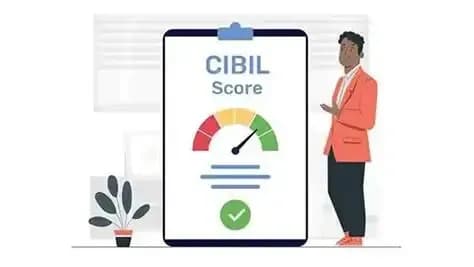
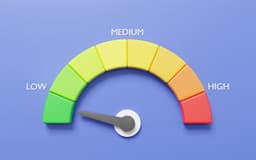
A 710 CIBIL score places you at the entry point of the "good" credit range. You've moved past fair credit, but you're not quite at the premium level where banks compete for your business. This score is usually good enough for most loan approvals but not ideal for securing the best rates.
At 710, lenders approve most applications, but you'll pay a slightly higher interest rate compared to borrowers with scores above 750. Pre-approved offers start to appear, but not consistently. While you're in a solid position, pushing towards 750 will unlock premium benefits and lower rates.
This guide explains what a 710 credit score means across different loan products, where you still face limitations, and the steps to move into the 750+ bracket for better terms.
What Does a 710 CIBIL Score Actually Mean?
CIBIL scores range from 300 to 900, and a 710 score sits at the top of the "good" range (700-749). It’s like a B- grade in the credit world—showing strong credit management but with room for improvement.
A 710 credit score typically reflects:
- Generally consistent payment history, with occasional minor delays
- Credit utilization under 40-50%
- Moderate credit history (3-7 years)
- Limited recent credit applications
- No major negative marks like defaults or settlements
Lenders consider a 710 score to be an acceptable risk. You’ll be approved for loans in most cases, but you won’t receive the preferential rates given to borrowers with higher scores.
Is a 710 CIBIL Score Good for Different Loan Types?
Having a credit score of 710 works well across various loan categories, though the terms vary.
Personal Loans
With a 710 score, personal loans are easily achievable. Most banks and NBFCs approve applications, but expect interest rates between 14-18%, which are 2-4% higher than the rates for borrowers with scores above 780. Loan amounts typically range from 15-18 times your monthly income. Documentation is standard, and processing takes 3-7 days, though fintech lenders offer faster processing.
Home Loans
While a 710 score is adequate for home loans, rates are generally 0.5-0.75% higher than the best advertised rates. For a ₹50 lakh loan over 20 years, this difference results in an additional ₹5-6 lakh in interest. Loan-to-value (LTV) ratios usually reach 80%, and some additional income documentation may be required compared to higher scores.
Car Loans
Auto financing works well with a 710 score. Interest rates typically range from 9-11%, slightly higher than the best rates for premium borrowers. Most applicants with stable income can get 100% on-road funding. Loan processing is fast, typically within 1-2 days.
Credit Cards
With a 710 score, you can qualify for most mainstream credit cards. Basic and mid-tier rewards cards are easy to get, but premium cards with higher annual fees may require additional income verification. Credit limits usually start between ₹50,000 to ₹1.5 lakh, and increase with usage history.
Where 710 Stands Compared to Other Score Brackets
Understanding where your score stands relative to other ranges helps set realistic expectations.
710 vs 680-690 Range
The gap between 690 and 710 represents the shift from "fair" to "good" credit. This 20-30 point improvement translates into 1-2% lower interest rates and significantly better approval odds. More lenders, including banks, are willing to offer credit, giving you more options.
710 vs 750+ Range
The gap between 710 and 750 is around 40 points. This results in 0.5-1.5% lower interest rates, better pre-approved offers, stronger negotiating power, and access to premium credit cards. The gap is worth closing, but 710 is still a solid score for many types of credit.
Benefits of Having a 710 CIBIL Score
Your 710 credit score offers several advantages compared to fair or poor credit scores.
Broad Lender Access
You’ll find that most banks and NBFCs approve loans at this score. You won’t be restricted to subprime lenders or secured products. Your options span major banks like SBI, HDFC, ICICI, Axis, Kotak, and various NBFCs.
Reasonable Interest Rates
While your rates aren’t the lowest, they are much better than what borrowers with scores below 690 face. Personal loans may have rates of 15% instead of 20%, and home loans may be at 9% instead of 10%. These differences save you money over the loan tenure.
Standard Documentation
At 710, lenders typically don’t require extra security or guarantors. Standard documentation is sufficient, and processing times remain normal without extended verification.
Foundation for Improvement
A 710 score offers significant room for improvement. The 40 points needed to reach 750 are achievable within 6-12 months with consistent effort. Unlike borrowers starting from a lower score, you’re building from a strong foundation.
How to Push Your 710 Credit Score to 750+
Moving from a 710 score to 750+ is a manageable task with focused actions.
Reduce Credit Utilization Aggressively
If you're using 35-40% of your available credit, aim to reduce it to 20% or lower. This change can add 20-30 points to your score in just 1-2 billing cycles. Be sure to pay balances before statement dates to ensure low utilization is reported.
Maintain Payment Perfection
Your payment history is likely good but could be improved. Ensure zero missed payments for the next 12+ months. Set up auto-pay to avoid any accidental missed payments, as a single missed payment can drop your score significantly.
Freeze New Credit Applications
Each new credit application results in a hard inquiry, which can lower your score by 5-15 points. Avoid applying for new credit unless it’s necessary. Focus on building a positive history with your existing accounts.
Dispute Any Report Errors
Request your free annual CIBIL report and check for errors. Look for incorrect late payments, accounts that aren’t yours, wrong credit limits, or duplicate entries. Disputing errors can quickly recover 20-40 points, potentially pushing your score past 750.
Keep Old Accounts Active
Credit history length is an important factor. Don’t close your oldest credit cards, even if they have zero balances. Make a small purchase every few months to keep them active. Account age positively impacts your score.
Timeline for Reaching 750
How long will it take to improve your score from 710? Realistic milestones help maintain focus.
Months 1-3: Foundation Phase
Focus on reducing utilization and setting up payment systems. You may see your score move 10-20 points upwards, reaching 720-730 by month 3.
Months 4-6: Consolidation Phase
Continue perfect payments and let your utilization patterns stabilize. Avoid applying for new credit. You should reach 740-745 by month 6.
Months 7-12: Final Push
As positive history accumulates, and old negative marks fade, your score will naturally drift toward 750+. By month 12, most borrowers should be in excellent credit territory.
Common Mistakes to Avoid at 710
Certain behaviours can prevent improvement or cause your score to drop.
Rate Shopping Without Research
Applying to multiple lenders at once triggers hard inquiries, which hurt your score. Research eligibility and target lenders where approval is likely.
Closing Unused Accounts
Don’t close old credit accounts, even if they have zero balances. Closing them reduces your available credit and shortens your credit history.
Ignoring Small Outstanding Amounts
Even small amounts on old accounts can hurt your score. Check for any unpaid balances and clear them immediately.
Co-signing Loans Casually
When you co-sign a loan, you take on the risk of the primary borrower’s missed payments. Avoid co-signing for someone you don’t fully trust financially.
Paying Only Minimums Forever
Paying only the minimum keeps you in debt longer. Work on reducing your balances significantly, not just paying them off slowly.
Maximizing Your 710 CIBIL Score Position
A 710 CIBIL score gives you solid standing with clear room for improvement. Use your current access to manage necessary borrowing while working toward the 750+ bracket.
For immediate funding needs, personal loans from Finnable offer amounts from ₹50,000 to ₹10 lakh, with disbursal in as fast as 60 minutes. Finnable evaluates beyond just CIBIL scores, considering income stability, employer reputation, and banking behaviour. Borrowers with a credit score of 710 often access competitive rates through this holistic approach.

Yes, it’s good enough for approval. Expect interest rates between 14-18%, depending on your lender and income profile. Processing takes 3-7 days.
Banks are likely to approve home loans for profiles with a CIBIL score of 710, but interest rates will be 0.5-0.75% higher than the best available. Expect an additional ₹5-6 lakh in interest over 20 years.
Typically 6-12 months with focused effort. Reducing utilization below 20%, maintaining perfect payments, and checking your report for errors will get you there.
Yes, 710 is noticeably better. It represents a clear improvement in terms of interest rates, loan approval odds, and available lender options.
No, checking your own score has no impact. Only credit applications create hard inquiries that affect your score.
Credit Score
Check Your Credit Score
Get instant access to your credit score at no cost. Stay informed and loan-ready.
1.5M+ people
checked their credit Score
What Does a 710 CIBIL Score Actually Mean?
Is a 710 CIBIL Score Good for Different Loan Types?
Where 710 Stands Compared to Other Score Brackets
Benefits of Having a 710 CIBIL Score
How to Push Your 710 Credit Score to 750+
Timeline for Reaching 750
Common Mistakes to Avoid at 710
Maximizing Your 710 CIBIL Score Position