
Loan in
60 Minutes
Ever wondered why having just a credit card doesn't impress lenders as much as having a credit card plus a personal loan? That's credit mix at work.
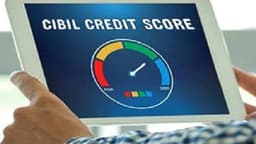
It refers to the variety of credit accounts in your name. It does not just reflect how much credit you have. It also tells us whether it is a personal loan, home loan, credit card, etc. It plays an important role in the calculation of your CIBIL score. Credit mix shows the lender how you can handle different types of credit responsibly.
It's one of those credit score factors that nobody talks about until their application gets rejected. Understanding credit mix and why it matters can help improve your chances of loan or credit card approval.
Types of Credit That Form Your Mix
Four main categories exist:
Revolving credit includes credit cards and lines of credit. No fixed payment amount. Balances carry forward. Limits refresh as you pay.
Instalment credit means fixed payment loans. Personal loans. Car loans. Education loans. Predictable EMIs over set tenure.
Mortgage accounts are home loans specifically. Long-term. Secured against property. Large amounts.
Open credit refers to accounts requiring full payment each month. Some charge cards work this way. Less common than other types.
A healthy mix typically includes at least two of these categories. Most commonly credit cards (revolving) plus some form of loan (instalment).
What Is Credit Mix in CIBIL Specifically
In CIBIL's scoring model, credit mix usually contributes to approximately ten percent to your total score.
However, it is not the biggest factor. Payment history and credit utilisation have the highest weightage for determining your CIBIL score.
But ten percent still matters. On a 900-point scale, that's potentially ninety points. The difference between "good" and "excellent" territory.
Why Credit Mix Matters for Your Credit Score
Here are a few reasons why credit mix has an important role to play in your credit score:
How Lenders Interpret Your Mix
Different credit types require different management skills.
Credit cards need discipline. Temptation to overspend exists. Minimum payments trap people in debt cycles.
Instalment loans need planning. Fixed EMIs every month. Long-term commitment.
Managing both successfully demonstrates range. You're not just good at one type of credit. You understand credit generally.
Lenders see diversity and think: this person has experience. They've handled various situations. Lower risk.
Impact on Credit Score Calculations
CIBIL's algorithm rewards diversity. Not excessively. But noticeably.
Someone with only credit cards, perfectly managed, might score slightly lower than someone with credit cards plus a personal loan, both perfectly managed.
The second person demonstrated broader capability. The algorithm acknowledges that.
Limited Mix vs Diverse Mix
Limited mix example:
- Three credit cards only
- No instalment loans ever
- No mortgage
Diverse mix example:
- Two credit cards
- One personal loan (active or closed)
- One vehicle loan (closed)
Both profiles might have identical payment histories. The diverse mix scores marginally higher. That margin might matter when borderline applications get reviewed.
Types of Credit Accounts Explained
Understanding each category helps you think about your own mix.
Revolving Credit
Credit cards are the primary example. You get a limit. Use any amount up to that limit. Pay it back. Limit refreshes. Interest applies only on unpaid balances. Pay in full each month? No interest charged. The flexibility can be dangerous. Easy to overspend. Easy to fall into minimum payment traps. Well-managed revolving credit shows discipline. Lenders appreciate that.
Instalment Loans
Instalment loans include Personal loans, car loans, education loans, two-wheeler loans. These loans involve a fixed amount borrowed, a fixed EMI paid every month, and a fixed tenure until the loan is fully closed. Compared to revolving credit, instalment loans are more structured, offering less flexibility but also reducing the temptation to overspend. Successfully completing instalment loans demonstrates long-term commitment, as you make consistent payments over several years, which lenders view as a sign of reliability.
Finnable offers personal loans from ₹50,000 to ₹10 Lakh as instalment credit. Managing such loans responsibly builds both credit history and diverse credit mix. Apply for an Instant Personal Loan and get approved in minutes.
Mortgage or Home Loans
The big one. Large amounts. Long tenures. Often twenty to thirty years. These loans are secured against property, which is why they usually come with lower interest rates compared to unsecured credit. Having a mortgage shows capacity for major financial commitments. Banks view mortgage holders favourably. They've handled the biggest consumer credit product successfully.
Open Accounts and Their Role
Less common in India. Some corporate cards and charge cards require full payment monthly. If you have such products, they contribute to mix. If not, don't worry. Other categories matter more.
What Doesn't Count Toward Credit Mix
Some things you might assume count but don't.
Utility Bills and Rent Payments
Your electricity bill doesn't appear on CIBIL reports. Neither does rent, water bills, mobile bills.
These don't contribute to credit mix. Paying them on time is responsible but doesn't build credit history. Some alternative scoring models consider these. But traditional CIBIL scoring doesn't.
Debit Cards and Savings Accounts
Debit cards aren't credit. You're spending your own money. No borrowing involved.
Savings account balances also don't appear. Net worth isn't tracked by credit bureaus. Only credit behaviour.
Buy Now Pay Later Implications
BNPL products exist in grey area. Some report to bureaus. Some don't.
If reported, they contribute to credit mix and history. If not, they're invisible to CIBIL.
Check whether your BNPL usage appears on credit reports. The answer determines whether it affects your mix.
How Credit Mix Affects Your CIBIL Score
Practical implications matter most.
The Ten Percent Factor
Out of 900 maximum points, credit mix influences roughly ninety. Sounds small. But consider: the difference between 720 and 750 changes how lenders treat you. That thirty-point gap could come partly from credit mix.
It’s not the factor to obsess over, but not one to ignore either.
Scoring Examples Comparison
Person A:
- Three credit cards, all well-managed
- Zero loans
- Credit mix: limited (one type)
Person B:
- Two credit cards, well-managed
- One personal loan, closed with perfect payment
- Credit mix: diverse (two types)
All else equal, Person B scores marginally higher. The diversity bonus applies.
When Mix Becomes Critical
Borderline applications often get decided by marginal factors.
Score at 698. Bank threshold at 700. The reviewing officer looks at everything. Credit mix quality might tip the decision.
When you're clearly above threshold, mix matters less. When you're near boundaries, every factor counts.
How to Improve Your Credit Mix (Without taking unnecessary debt)
Adding Credit Types Strategically
If you already plan to buy a car, taking an auto loan can naturally add another credit type to your profile. Similarly, when you are preparing for a large expense, a small personal loan may serve a practical purpose while also contributing to your credit mix. It’s important not to borrow solely to improve your credit profile, as unnecessary debt can be costly. However, when borrowing is genuinely required, the improvement in credit mix can be seen as an added benefit.
Responsible Ways to Diversify
If your credit history currently consists only of credit cards, you may consider adding instalment credit in a thoughtful way. One option is to take a small personal loan for an expense you would have paid for anyway. By repaying the EMIs on time and closing the loan with a clean repayment record, you introduce a new credit type into your profile. This shifts your credit mix from a single category to a more balanced combination.
Timeline for Mix Improvement
Improving your credit mix does not happen overnight. A new credit account first needs to reflect in your credit report and build a record of timely payments before it influences your score. As a result, it usually takes three to six months for a newly added credit type to have a noticeable impact. Building a strong credit profile requires consistency and patience over time.
Common Misconceptions About Credit Mix
More Accounts Equals Better Mix?
No. Quality over quantity. Three well-managed accounts across two credit types beat ten poorly managed accounts of the same type.
Lenders look at how you handle credit. Not just how much you have.
Need Every Credit Type?
No. Having both revolving and instalment credit is more than enough.
Mortgage is great if you have one. But not having a home loan doesn't penalise your mix significantly.
Two to three credit types managed well is sufficient for most purposes.
Opening New Credit Hurts Score?
Short-term, possibly. New accounts reduce average account age. Hard enquiries slightly dent scores.
Long-term, diverse mix helps. The temporary dip recovers. The diversification benefit persists.
Net effect is usually positive. But give it time.
Credit Mix and Loan Applications
How this factor plays out when you're borrowing.
Impact on Loan Approval Chances
For standard applications, credit mix rarely makes or breaks decisions.
Payment history matters more. Income matters more. Existing debt matters more.
But for borderline cases, diverse mix can tip scales favourably.
Interest Rate Implications
Rates primarily depend on your overall score and profile. Not specifically on mix.
However, better mix contributes to better score. Better score contributes to better rates.
Indirect but real connection.
What Lenders Actually Check
Lenders see your full credit report. Every account. Every payment. Every enquiry.
They notice patterns. Someone with only credit cards looks different from someone with credit cards and loans.
The diverse profile suggests broader experience. That's viewed positively.
Maintaining a Healthy Credit Mix
Managing Different Account Types
Different accounts need different attention.
Credit cards: monitor utilisation, pay in full, use responsibly.
Loans: ensure EMI funds available, set up auto-debit, track closure dates.
Each type has its rhythm. Stay on top of all of them.
Closing Accounts and Mix Impact
Closing an account removes it from active credit.
But closed accounts with good history stay on your report for years. They continue contributing to history length and mix memory.
Don't keep accounts you don't need just for mix. But don't rush to close everything either.
Regular Monitoring Importance
Check credit reports quarterly. Ensure all accounts appear correctly.
Missing account? That's affecting your mix calculation. Error? Dispute it.
Accurate reports mean accurate scoring. Monitor actively.
Your Credit Mix Matters
Understanding what is credit mix helps you manage your credit profile strategically. It's not the biggest factor. But it's one you can influence.
Finnable, an RBI-licensed NBFC, offers personal loans that can contribute to a diverse credit mix when managed responsibly.
[Check your eligibility with Finnable today]
Building diverse credit takes time. Start where you are. Improve gradually.

Yes, though not as heavily as payment history or credit utilisation. Credit mix influences roughly ten percent of your CIBIL score. For borderline applications, this percentage can make meaningful difference.
Having at least two credit types works well for most people. Typically credit cards plus some form of loan. You don't need every credit type. Diverse but manageable is the goal.
Not advisable. Borrowing costs money. Only borrow when you genuinely need funds. If you're taking a loan anyway, the mix benefit is a bonus. But don't pay interest just for score improvement.
No. Utility bills, rent, and similar payments don't appear on traditional credit reports. They don't contribute to credit mix or CIBIL score in standard scoring models.
Not the mix specifically, but yes overall. Too many accounts can lower average account age and trigger utilisation concerns. Quality matters more than quantity.
Loan in
60 Minutes
Types of Credit That Form Your Mix
What Is Credit Mix in CIBIL Specifically
Why Credit Mix Matters for Your Credit Score
Types of Credit Accounts Explained
What Doesn't Count Toward Credit Mix
How Credit Mix Affects Your CIBIL Score
How to Improve Your Credit Mix (Without taking unnecessary debt)
Common Misconceptions About Credit Mix
Credit Mix and Loan Applications
Maintaining a Healthy Credit Mix
Your Credit Mix Matters