
What is Circle Rate? Understanding Its Role in Property Transactions

Loan in
60 Minutes
Introduction
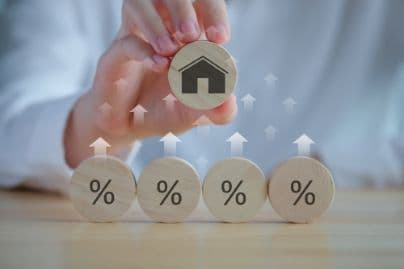
In the world of real estate, the term circle rate is frequently mentioned, yet many people still wonder, what is circle rate in property? Essentially, circle rate is the minimum rate at which a property can be bought or sold, as set by the government. It serves as a benchmark or floor price for property transactions in a specific area, ensuring that properties are not undervalued and are taxed appropriately.
In this blog, we will delve into what circle rate of property means, how it affects property transactions, and why it is crucial for both buyers and sellers to understand this concept.
What is Circle Rate of Property?
Circle rate, also known as ready reckoner rate in some states, is the official rate established by the local government or municipal authority for the sale or transfer of property within a particular region. This rate is typically fixed annually and varies from one locality to another, depending on factors like infrastructure development, area demand, and proximity to commercial or residential hubs.
In simple terms, it represents the minimum price at which a property can be sold within a specific region, as per the local authority’s regulations. Circle rate in property ensures that properties are sold at a fair market value and are taxed accordingly.
Why is Circle Rate Important?
Understanding the circle rate of property is essential for both buyers and sellers for several reasons:
-
Tax Calculation: The circle rate plays a crucial role in determining the stamp duty and registration fees that a buyer must pay during a property transaction. Higher circle rates generally result in higher stamp duty and registration fees.
-
Property Valuation: While the circle rate does not always reflect the true market value of a property, it provides a baseline for property pricing. In areas with high demand, properties may sell for much higher than the circle rate, but the rate still serves as a reference point.
-
Government Compliance: Circle rates help the government prevent tax evasion by ensuring that properties are not sold for underreported prices. Without a minimum circle rate, properties could be sold below their actual value, resulting in lower taxes and a loss of revenue for the government.
-
Fair Transactions: By fixing a minimum price, circle rates ensure that all property transactions in a locality are conducted fairly, preventing sellers from offering properties at unreasonably low prices.
How are Circle Rates Determined?
Circle rates are determined by local authorities, such as municipal corporations, city development authorities, and the state government. These rates take into account several factors, including:
-
Location: Properties in prime areas with good infrastructure, such as shopping centres, transport links, and schools, generally have higher circle rates.
-
Property Type: Residential, commercial, or industrial properties are subject to different circle rates, with commercial and industrial properties often being valued higher than residential ones.
-
Infrastructure Development: The proximity of a property to new infrastructure projects, such as metro stations, highways, or commercial zones, can impact the circle rate.
-
Market Trends: Though circle rates are typically updated annually, local real estate trends also influence the setting of these rates.
Each locality within a city may have different circle rates, with rates for commercial properties often higher than for residential properties. Circle rates for areas undergoing significant development or urbanisation tend to rise, reflecting the increase in demand.
How Circle Rate Affects Property Transactions
The circle rate significantly impacts various aspects of property transactions. Here's how:
1. Stamp Duty and Registration Charges
Stamp duty is calculated based on the transaction value or the circle rate of a property, whichever is higher. For example, if a property’s transaction value is ₹50 lakh, but its circle rate is ₹45 lakh, the stamp duty will be calculated on the ₹50 lakh value, as it is higher than the circle rate. This ensures that the transaction value is within the prescribed limits and prevents undervaluation for tax purposes.
2. Selling Property Below the Circle Rate
While it is legally permissible to sell a property at a price above the circle rate, selling below the circle rate is generally not allowed. If a property is sold below the prescribed circle rate, the transaction could be questioned by the authorities, potentially leading to legal complications and penalties.
3. Influence on Loan Approval
When you apply for a loan for property purchase, banks or financial institutions often use the circle rate to assess the loan amount. They may provide loans based on the circle rate or the purchase price, whichever is lower. This means that if the property is sold below the circle rate, the loan amount may be limited.
4. Market Value vs Circle Rate
While the circle rate ensures minimum pricing, it does not always reflect the true market value. Properties in high-demand areas might sell for significantly more than the circle rate. However, the buyer must still pay stamp duty on the higher value, which means they will incur higher taxes even though the transaction is priced higher than the circle rate.
How to Check the Circle Rate of a Property
To check the circle rate for any given property, you can follow these steps:
-
Visit the Local Municipal Corporation or Development Authority’s Website: Most local government websites provide access to updated circle rate information, either by city or locality.
-
Use Property Websites and Apps: Several property portals offer tools to check the circle rate in your area. These are often updated regularly to reflect the latest changes.
-
Consult a Local Real Estate Agent: If you’re unfamiliar with navigating government websites, a real estate agent can provide updated circle rates for specific areas.
-
Check with the Bank: If you’re applying for a loan, your bank may also provide the circle rate for the property in question as part of the loan application process.
Can Circle Rate Be Changed?
Yes, the circle rate is subject to change. Local authorities review the circle rate periodically (usually annually) to reflect market conditions, economic factors, and infrastructure developments. If property prices increase due to demand or new developments, the government may revise the circle rate upward to align with the new market trends.
Conclusion
The circle rate of property is a critical factor to understand when engaging in real estate transactions, as it determines the minimum value for stamp duty calculations, loan approvals, and property pricing. Though it is a baseline value set by the government, it ensures fairness in property dealings and prevents undervaluation. Whether you're buying, selling, or applying for a loan, always check the circle rate to understand the true cost of your property transaction.
For more financial guidance and tools to manage your personal finances, you can use the EMI calculator from Finnable to estimate monthly payments on loans, helping you plan your financial future with ease.
About the Author

No, selling a property below the circle rate is generally not allowed. Transactions must comply with the minimum price prescribed by the local authorities.
Yes, the circle rate plays a role in determining your loan eligibility. Banks often use the circle rate to calculate the loan amount, especially if the transaction value is below the circle rate.
Circle rates are usually revised annually based on market conditions, infrastructure developments, and other economic factors.
Stamp duty is calculated based on the higher of the transaction price or the circle rate, ensuring that the tax is applied to the true value of the property.
No, the circle rate varies by locality, property type, and market demand. High-demand areas tend to have higher circle rates compared to less developed areas.
Introduction
What is Circle Rate of Property?
Why is Circle Rate Important?
How are Circle Rates Determined?
How Circle Rate Affects Property Transactions
How to Check the Circle Rate of a Property
Can Circle Rate Be Changed?
Conclusion