
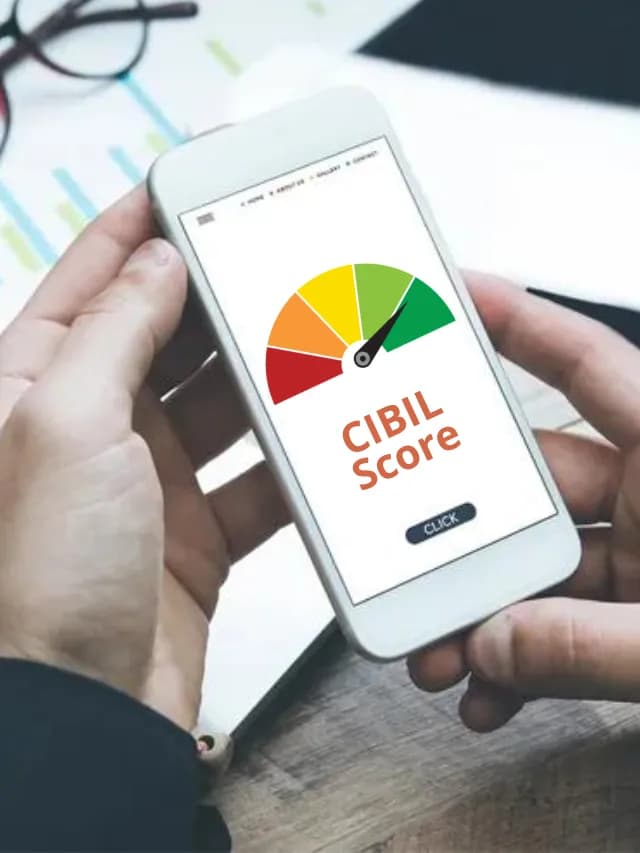
What CIBIL Score Is Good? The Number That Can Make or Break Your Loan Application
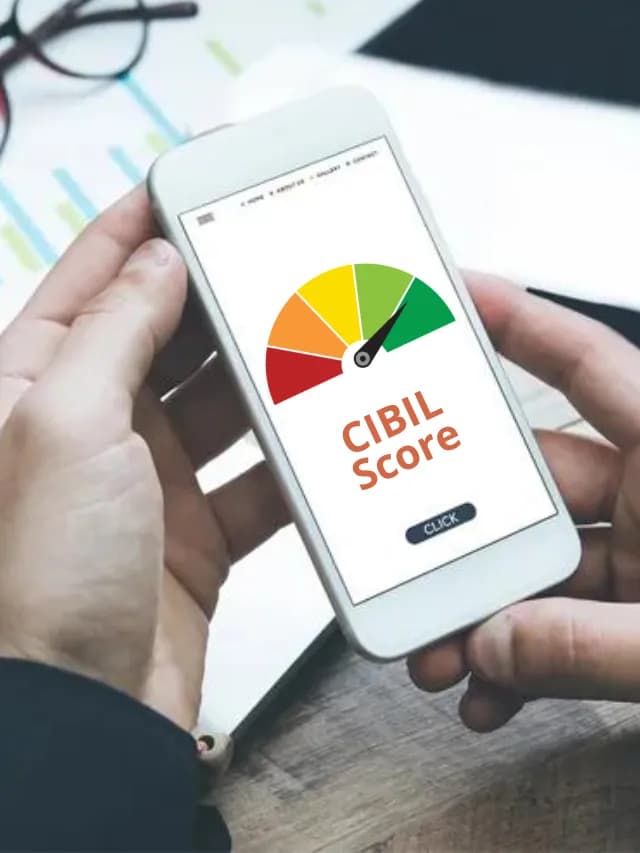

Whenever you apply for a loan, you need a healthy CIBIL score. The best thing would be to ensure your CIBIL score is at least 750 or higher. However, you should know that when loan providers give you a loan, they also take into account other things like your income, debt, and repayment status.
Quick reads
-
CIBIL scores of 750 and above are usually a good score and increase your chances of being offered a loan.
-
A score of 700 to 749 is also a good score, depending on your financial condition.
-
Repayment history, credit use, outstanding loans, and recent applications for credit can impact your CIBIL score.
-
Having a high CIBIL score does not mean that you will definitely get your loan because the lender will consider your income and repayment ability.
-
Making payments of EMIs and credit card bills on time is one of the easiest ways to maintain a good credit score.
CIBIL score is quite significant when you are trying to avail of a loan. Before you know what is an appropriate range of scores to maintain, you should know what is a CIBIL score. CIBIL score is a standard range of 3-digit numbers (300-900), provided by TransUnion CIBIL in India. A higher CIBIL score means you have responsibly paid your debts and managed your debts. It is the number that will be used by creditors to decide if they should lend you money. However, a higher CIBIL score alone does not guarantee loan approval. There are some other factors that impact your loan approval, like your income, financial history, and credit utilization.
What Are the Different Categories of the CIBIL Score?
CIBIL, which stands for Credit Information Bureau (India) Limited, has a scoring range that starts at 300 and goes up to 900. There can be different CIBIL score requirements by different lenders to approve a loan. Here are the broad ranges of CIBIL scores:
-
300 to 549: This range is usually considered low and can be due to some missed payments, defaults or high balances.
-
550 to 649: If your CIBIL score falls under this range, it might be possible for you to borrow, but lenders could assess your application cautiously.
-
650 to 749: This score is considered moderate to good, and it is possible to get loan approval if your income and repayment capacity are satisfactory.
-
750 to 900: This range of CIBIL is considered strong and can actually increase the chances of loan approval.
Now, with these ranges and their meanings, you can understand why a good CIBIL score in India is often associated with 750 or a higher score. However, you should keep in mind that there is no score that can actually give you a solid guarantee that you will definitely get a loan. There are factors that can affect the approval of your loan.
How is a Good CIBIL Score Defined for a Personal Loan?
The ideal CIBIL score is different for different loans. For an unsecured personal loan, a higher score can be useful because there is no collateral. An ideal CIBIL score for loan applications is often considered 750 or above, although some lenders may accept lower scores when other financial indicators are strong. Another case can be considered for someone with a 720 score; stable employment and manageable EMIs could make for a stronger application than someone with an 800 score but substantial existing debt. Your score matters, but so does your financial picture. The concept of an ideal CIBIL score for applying for loans needs to be understood beyond just numbers.
Why Does Your CIBIL Score Affect Loan Approval?
Your CIBIL score indicates how you have handled borrowed money. Payment record, credit utilization ratio, credit account length, credit mix, and inquiries may affect it. This is why knowing what CIBIL score is good is important, but understanding what affects it is more valuable. A lower score can lead to closer scrutiny or affect the loan amount, interest rate, or repayment terms.
How Can You Improve Your CIBIL Score?
If your score is lower than expected, do not assume your borrowing plans are over. Consistent habits can improve credit health:
-
Pay on time: Clear every EMI and card bill by the due date
-
Control utilization: Avoid regularly using a very high portion of your available limit
-
Credit history: Having a well-established track record of responsibly handled credit accounts over time can strengthen your credit profile.
-
Check your report: Look for incorrect details, unfamiliar accounts, or wrongly reported payments, and raise disputes where necessary.
These practices can help build a good CIBIL score in India. There is no dependable overnight fix.
Does a Good CIBIL Score Guarantee You a Loan Approval?
Getting a high CIBIL score does not mean that you will definitely get approval for a loan. Many factors, like your salary, credit usage, employment stability, existing EMIs, debt levels, age, requested loan amount, and internal policies. Think of your score as one part of the application, not just a pass or fail certificate. Lenders need your CIBIL score to judge your ability to repay your loan without any difficulty. That is why a good credit score holds an important place in your loan application.
What Should You Do Before Applying?
Before applying for a loan, review your latest credit report for accuracy. You should also check existing EMIs and card balances, then assess whether another repayment fits comfortably into your monthly budget. Compare lenders rather than applying everywhere. This can reduce unnecessary enquiries and help you choose a suitable loan. If you are considering a personal loan, Finnable offers an online application process and a free credit score facility. A credit score of 700 or above is generally preferred for an instant personal loan, although approval still depends on the overall profile and eligibility.
Concluding Thoughts
A CIBIL score of 750 or above is generally considered as a strong target, but you should know that it should not be the only number you watch. Your repayment record, debt levels and income stability matter just as much. If your score is below your desired CIBIL range, give yourself some time to improve it instead of just rushing towards other borrowing decisions. If it is strong, protect it with the habits that built it. Understanding your ideal CIBIL score can help you prepare responsibly for your loan applications with confidence. Responsible borrowing can keep your financial options open when you need credit.
About the Author

A score of 750 or above it is generally considered a strong score and it can improve or increase your chances of loan approval. But other things like salary and debt also matter to the lenders.
A 700 score can be a good CIBIL score in India for some lenders, although a higher score may place you in a stronger position. Overall credit score is important too.
There is no universal cut-off, but 750 or above is commonly considered a strong target when asking what is a good credit score. Some lenders can also consider lower scores based on your other financial factors, like your income.
Getting a loan with a low CIBIL score is possible depending on the lender and your financial profile. But if that is the situation, you should be prepared for stricter requirements, a higher interest rate, or a reduced amount of loan.
What Are the Different Categories of the CIBIL Score?
How is a Good CIBIL Score Defined for a Personal Loan?
Why Does Your CIBIL Score Affect Loan Approval?
How Can You Improve Your CIBIL Score?
Does a Good CIBIL Score Guarantee You a Loan Approval?
What Should You Do Before Applying?
Concluding Thoughts


