
Mastering Your Wedding Budget in India: A Guide to Big Celebrations Without the Big Bills

Loan in
60 Minutes
Introduction
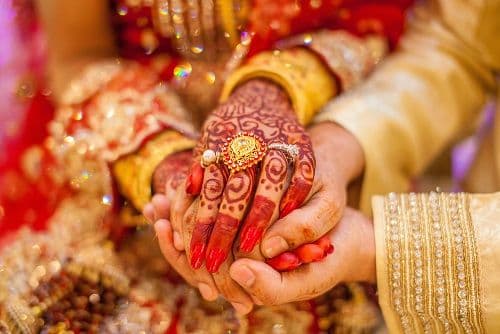
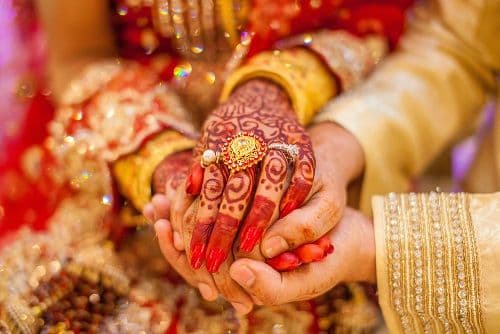
Weddings in India are not just occasions; they are a vibrant celebration of love, culture, and tradition. However, the magnificence of these celebrations can often come with a significant financial burden. Knowing how to manage your wedding budget in India is key to turning your dream wedding into reality without straining your finances. In this blog, we’ll explore the various factors that impact the wedding budget in India, outline major expenses, and offer practical tips for managing costs efficiently.
Why Is Planning a Wedding Budget Important?
Indian weddings are known for their elaborate rituals, dazzling outfits, and lavish feasts. Without a structured plan, expenses can quickly spiral out of control. A well-thought-out wedding budget in India ensures:
- Clarity: Know where your money is going.
- Control: Avoid last-minute financial surprises.
- Customization: Allocate funds for your priorities, whether it’s the venue or decor.
Planning your budget is the first step toward a stress-free wedding experience.
Understanding the Wedding Budget in India
The cost of a wedding in India varies based on factors such as location, guest count, and personal preferences. Here’s a breakdown of the key components that influence the wedding budget in India:
- Venue and Catering : The venue and food often consume 40-50% of your budget. From luxurious banquet halls to serene outdoor spaces, options vary widely. In cities like Mumbai or Delhi, venue costs can range from ₹3 lakhs to ₹20 lakhs, while catering may cost ₹1,000 to ₹3,000 per plate.
- Attire and Jewelry : Indian weddings demand multiple outfits for the bride, groom, and their families. Bridal lehengas can cost anywhere from Rs 50,000 to Rs 5 lakhs, and groom’s sherwanis range between Rs 20,000 and Rs lakh. Add traditional gold or diamond jewelry, and you’re looking at 20-30% of your budget.
- Decor and Entertainment : Whether you want minimalist decor or extravagant floral setups, this category accounts for 10-15% of the budget. Entertainment options like live bands, DJs, and dance troupes can cost Rs 50,000 to Rs 5 lakhs.
- Photography and Videography : Capturing your special moments is non-negotiable. Professional photography and videography packages in India typically start at Rs 1 lakh and can go up to Rs 5 lakhs or more for premium services.
- Invitations and Gifts : Traditional printed invitations range between Rs 50 to Rs 500 per card, while digital invites are more cost-effective. Don’t forget to allocate funds for return gifts, which could range from Rs 500 to Rs 5,000 per guest, depending on your preferences.
- Travel and Accommodation : Destination weddings or hosting out-of-town guests can significantly impact your budget. Hotel bookings may range from Rs 2,000 to Rs 10,000 per room per night, depending on the location and season.
- Ritual Costs : Indian weddings feature various pre-wedding and post-wedding rituals. The cost of these ceremonies, including pujas and traditional customs, should also be factored in.
How to Plan Your Wedding Budget in India
- Determine Your Total Budget : Decide how much you’re willing to spend overall. This decision will depend on your savings, contributions from family, and whether you’re considering a wedding loan.
- Prioritize Key Elements : Focus on what matters most to you. For instance, if food and decor are your priorities, allocate more funds to these categories and reduce spending on others.
- Use a Budgeting Tool : Leverage tools like a wedding budget calculator to track your expenses and stay on top of your finances.
- Compare Vendor Quotes : Always get multiple quotes from vendors to ensure you’re getting the best deal.
- Set a Contingency Fund : Allocate at least 10% of your budget for unexpected expenses.
Tips to Save on Your Wedding Budget in India
- Opt for Off-Season Dates: Booking venues and vendors during non-peak wedding seasons can save you a significant amount.
- Choose Local Vendors: They often charge less for travel and logistics.
- DIY Decor: Add a personal touch and reduce costs by taking on smaller decoration tasks yourself.
- Limit the Guest List: A more intimate celebration can reduce catering and venue expenses.
- Consider Wedding Loans: If you need extra funds, a wedding loan can help you manage expenses without compromising your vision.
Conclusion
Indian weddings are a blend of grandeur, emotion, and tradition, but they don’t have to break the bank. By creating a detailed wedding budget in India, you can enjoy your celebrations without financial stress. Careful planning, prioritizing key expenses, and making thoughtful choices can help you balance the elegance and traditions of a wedding with financial prudence. Remember, the essence of the celebration lies in the love and connection shared, not just the lavishness. With the right approach, you can make your dream wedding a reality without compromising your financial well-being.
About the Author

The average cost of an Indian wedding ranges from ₹10 lakhs to ₹50 lakhs, depending on factors like location, guest count, and personal preferences.
Plan a detailed budget, prioritize key expenses, and use a budgeting tool to track your spending.
Yes, many banks and NBFCs offer personal loans specifically for wedding-related expenses. These loans are unsecured, come with flexible repayment tenures, and can be used to cover costs like venue, catering, outfits, and décor.
Absolutely. Consider hosting your wedding during the off-season, limiting the guest list, choosing local vendors, and opting for digital invitations. These small adjustments can significantly reduce costs while maintaining the essence of your celebration.
It depends on your financial situation. If using your savings won’t affect your long-term goals or emergency fund, go ahead. Otherwise, a wedding loan can help spread the cost over manageable EMIs without straining your finances upfront.
Introduction
Why Is Planning a Wedding Budget Important?
Understanding the Wedding Budget in India
How to Plan Your Wedding Budget in India
Tips to Save on Your Wedding Budget in India
Conclusion


