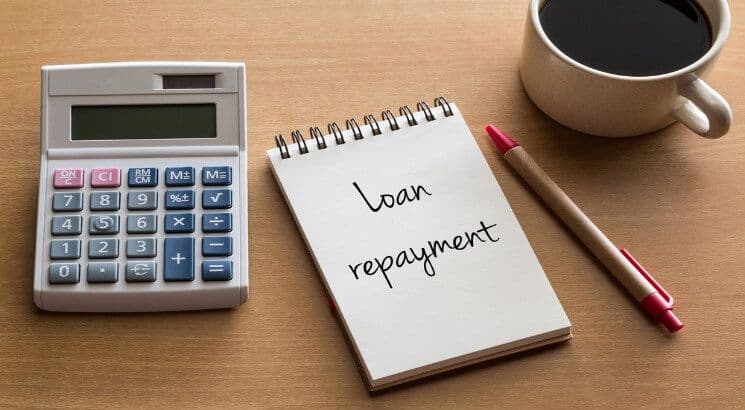
Personal Loan Repayment: Understanding EMI Options, Methods, and Strategies for Faster Clearance

Loan in
60 Minutes
Introduction
Personal loan repayment follows structured EMI schedules over predetermined tenures. Each monthly payment combines a principal component that reduces the outstanding balance and an interest component that compensates the lender. Early EMIs are weighted toward interest; later EMIs shift toward principal as the outstanding balance reduces. Missing payments damages credit scores, triggers penalty charges, and can initiate recovery proceedings.
Strategic management of personal loan repayment options, including voluntary EMI increases, timely prepayments, and balance transfers to lower-rate lenders, can reduce total interest costs substantially. Finnable's personal loan EMI calculator allows borrowers to model different tenure and prepayment scenarios before committing to a loan amount.
How a Personal Loan Repayment Works
EMI Structure Explained
A Equated Monthly Instalment (EMI) is a fixed monthly payment that combines principal and interest in proportions that shift over the loan tenure. A ₹5 lakh personal loan at 15 percent for 3 years requires approximately ₹17,330 monthly. Total repayment reaches ₹6.24 lakhs. The ₹1.24 lakh interest component reflects the real cost of borrowing, and understanding these figures before signing enables realistic affordability assessment.
Tenure Impact on Payments
Shorter tenures produce higher EMIs but lower total interest. Longer tenures reduce monthly burden but increase overall cost. A ₹3 lakh loan at 18 percent costs ₹65,400 interest over 2 years at an EMI of ₹15,225. The same loan over 4 years costs ₹1.37 lakhs in interest at an EMI of ₹9,100. The 2-year option costs ₹71,600 less total interest despite the higher monthly payment. Choosing tenure based on both affordability and total cost tolerance, rather than minimising only the EMI, produces better long-term outcomes.
Interest Calculation Methods
The reducing balance method calculates interest on the outstanding principal balance each month. As repayments reduce the balance, interest charges decrease. Most regulated lenders including NBFCs and banks use this method. Finnable charges 15 to 30.99 percent per annum on a reducing balance. Some lenders use flat rate calculation, which applies interest to the original loan amount throughout tenure. A 12 percent flat rate is equivalent to approximately 22 percent on a reducing balance basis. Confirming which method applies before borrowing is essential for accurate cost comparison across lenders.
Personal Loan Repayment Options Available
Standard EMI Payments
Monthly EMI remains the most common personal loan payment method. Auto-debit mandates through ECS or NACH ensure timely payments without manual intervention. Setting up the mandate during loan disbursal and maintaining sufficient balance in the linked account before debit dates prevents bounce charges and missed-payment records. Bounce charges add unnecessary costs to personal loan repayment burdens and can signal repayment difficulty to lenders.
Part-Prepayment Options
Part-prepayment reduces the principal before tenure completion. Most lenders permit prepayments after an initial lock-in period of 3 to 6 months, with charges typically running 2 to 5 percent of the prepaid amount plus GST. Even with charges, the interest savings from early principal reduction often exceed the prepayment fee. Annual bonuses, tax refunds, and one-time windfalls are natural opportunities for principal reduction that improve the total cost of borrowing without disrupting the regular monthly budget.
Full Foreclosure
Foreclosure clears the entire outstanding balance before tenure ends. Finnable charges 3 to 6 percent plus 18 percent GST on outstanding principal after 6 EMIs. Calculating the net position, comparing the foreclosure amount including charges against remaining scheduled payments, determines whether early closure generates savings. Finnable's guide to personal loan foreclosure covers the process and when foreclosure makes financial sense.
Step-Up and Step-Down EMIs
Some lenders offer flexible EMI structures. Step-up EMIs start lower and increase annually, suiting borrowers expecting income growth. Young professionals who anticipate regular salary increments benefit from this personal loan repayment option. Step-down EMIs start higher and decrease, suiting borrowers expecting reduced future income. Availability varies by lender and should be asked about during the application process.
Strategies for Faster Personal Loan Repayment
Increasing EMI Amounts
Voluntary EMI increases accelerate repayment significantly. On a ₹5 lakh loan at 15 percent over 5 years, adding ₹2,000 monthly to the standard EMI saves approximately ₹38,000 in interest and closes the loan 14 months early. Even ₹1,000 additional monthly makes a meaningful difference. Some lenders allow EMI modifications during tenure through formal requests; others automatically apply additional payments toward principal.
Lump Sum Prepayments
Directing windfalls toward loan principal provides a guaranteed return equal to the loan interest rate. A 15 percent return through interest savings beats most risk-free investment options. Timing prepayments early in the tenure maximises impact because the outstanding balance and therefore the interest savings multiplier is largest in early years. Prepaying ₹50,000 in year one saves more than prepaying ₹50,000 in year four.
Balance Transfer and Refinancing
Balance transfers move outstanding loan balances to lenders offering lower rates. A 3 percent rate reduction on ₹4 lakhs outstanding saves approximately ₹35,000 over remaining tenure. Processing fees and transfer costs reduce net savings, so calculating the break-even period before initiating a transfer is necessary. Short remaining tenures may not justify transfer costs. Maintaining a clean repayment history is essential for qualifying, making credit score management a direct enabler of balance transfer opportunities.
Managing Personal Loan Payment Challenges
Handling Temporary Cash Flow Issues
Income disruptions happen. Communicating with lenders early, before a payment is missed, is the most effective approach. Many lenders offer temporary relief options including EMI holidays, tenure extensions, or reduced payment periods. Proactive communication prevents default classification. Lenders prefer working arrangements over recovery proceedings. Documenting financial difficulties and submitting formal requests through proper channels produces better outcomes than ignoring the problem.
Avoiding Default Consequences
Defaults damage credit scores severely. A single missed payment can drop a CIBIL score by 50 to 100 points. Multiple missed payments create recovery account classifications that make future borrowing difficult and expensive. Personal loan payment defaults trigger collection processes. Prioritising loan payments during financial stress prevents cascading credit damage.
Restructuring Options
Formal restructuring extends tenure and reduces EMI burden. Total interest increases but monthly affordability improves. Requesting restructuring before missing payments, rather than after default, produces better outcomes since lenders assess restructuring requests based on current account standing. RBI guidelines mandate restructuring considerations for genuine hardship cases. Strong documentation including medical bills, termination letters, or business closure records supports restructuring requests effectively.
Digital Tools for Tracking Personal Loan Repayment
Most regulated lenders offer mobile apps providing real-time outstanding balance visibility, EMI schedules, payment history, and prepayment calculators. Push notifications remind about upcoming payments. Finnable's EMI calculator and similar tools support planning at both the borrowing decision stage and during active repayment when modelling prepayment benefits. Configuring auto-debit mandates eliminates manual payment risks. Maintaining a buffer balance in the linked account around debit dates prevents bounce charges and missed-payment records.
Tax Implications of Personal Loan Repayment
Personal loans used for home renovation or purchase qualify for interest deductions under Section 24, up to ₹2 lakhs annually for self-occupied properties. Documentation proving fund utilisation for housing purposes is required. Regular personal loans for consumption, travel, or general expenses do not qualify for tax deductions. Interest paid comes from post-tax income, which should be factored into total borrowing cost calculations. For business-purpose personal loans, interest may qualify as a business expense deduction with proper fund utilisation records maintained.
Choosing the Right Personal Loan Repayment Strategy
Monthly cash flow assessment, considering all essential expenses and leaving buffers for emergencies, determines the sustainable EMI level. Borrowers with stable incomes and no upcoming major expenses can pursue aggressive repayment strategies including voluntary EMI increases and regular prepayments. Those with upcoming large expenses should balance debt clearance against future needs. The comparison between prepayment and investment generally favours prepayment for personal loans with rates of 15 to 20 percent, since guaranteed interest savings at those rates exceed most assured-return investment options.
Conclusion
Effective personal loan repayment combines disciplined monthly payments with strategic prepayment when circumstances allow. Understanding available options enables optimised debt management. Early communication with lenders prevents default situations during financial difficulties. Finnable offers personal loans from ₹50,000 to ₹10 lakhs with transparent repayment terms, interest rates from 15 to 30.99% per annum on reducing balance, and approvals within 60 minutes. Clear EMI schedules and flexible prepayment options from the outset support effective repayment planning.
About the Author

Standard EMI payments, part-prepayments, full foreclosure, and flexible EMI structures including step-up or step-down options. Availability varies by lender and loan agreement.
Increasing EMI amounts when income permits, making lump sum prepayments from windfalls, considering balance transfers to lower-rate lenders, or requesting tenure extension for reduced monthly payments.
Missed payments incur late fees, damage credit scores, and may trigger collection processes. Communicating with lenders early if facing difficulties is the most effective approach to avoid formal default classification.
Longer tenures reduce monthly EMIs but increase total interest paid significantly. Shorter tenures produce higher EMIs but lower overall cost. Evaluating both monthly affordability and total cost produces better decisions than optimising EMI alone.
Balance transfer makes sense when rate differentials are significant and the remaining tenure justifies transfer costs. Calculate the break-even period, factoring in processing fees, before initiating any transfer.
Introduction
How a Personal Loan Repayment Works
Personal Loan Repayment Options Available
Strategies for Faster Personal Loan Repayment
Managing Personal Loan Payment Challenges
Digital Tools for Tracking Personal Loan Repayment
Tax Implications of Personal Loan Repayment
Choosing the Right Personal Loan Repayment Strategy
Conclusion