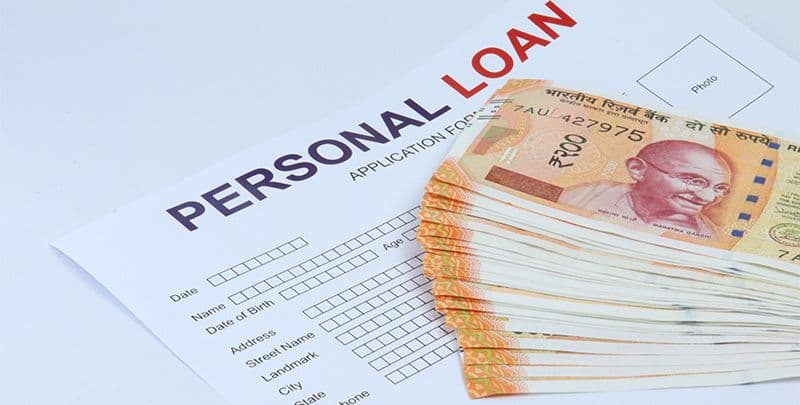
Personal Loan Disbursement Process: From Approval to Funds in Your Account
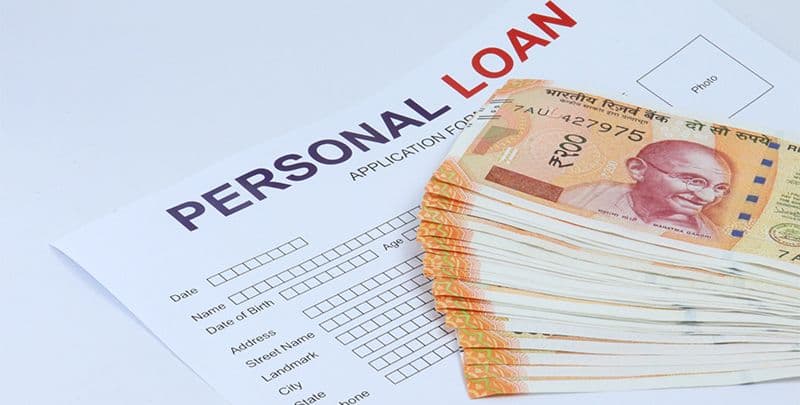

Loan in
60 Minutes
Introduction
An approval notification and actual fund receipt are two separate events in the personal loan disbursement process. The gap between them can range from minutes at a digital lender to several days at a traditional bank, and what fills that gap is a defined sequence of verification, agreement, and mandate setup steps that cannot be bypassed. Borrowers who understand the personal loan disbursal process avoid unnecessary anxiety about delays, know which actions on their end can accelerate the timeline, and can identify when a genuine problem requires follow-up versus when the process is simply running its normal course. This guide covers every stage from application screening through document verification, underwriting, agreement execution, E-NACH setup, and final fund transfer, along with realistic personal loan disbursement time expectations at digital lenders versus traditional banks, and the most common reasons disbursement gets stuck after approval.
What Happens Before Money Leaves the Lender
Your Application Gets Screened
The personal loan disbursement process starts the moment the application is submitted. Automated systems check age against eligibility range, verify stated income against minimum requirements, confirm the pin code falls within serviceable areas, and run details against fraud databases. This screening happens within minutes for digital applications. Applications that clear initial filters move to documentation verification. Understanding the full loan approval process covers how each stage connects to the next.
Documents Get Cross-Verified
Salary slips are cross-referenced against bank statement credits. Employer existence is verified, sometimes by calling HR departments or checking employer databases. Aadhaar is authenticated against UIDAI records. PAN is validated against income tax databases. This verification stage affects personal loan disbursement time more than any other step. The personal loan verification process guide explains how each document type is checked and what discrepancies cause rejection.
Credit Assessment and Approval Decision
The CIBIL report or equivalent from Experian or CRIF arrives on the underwriter's screen within seconds of request. This report tells the story of the borrower's credit history: debt levels, payment punctuality, credit card utilisation, and number of recent enquiries. The underwriting algorithm or human underwriter combines this data with income information to make the approval decision. What CIBIL score is required for personal loans covers the thresholds used by most lenders and how borderline applications get handled differently from straightforward ones.
Straightforward cases with 750-plus credit scores and clean payment history get automated approval in minutes. Borderline applications get escalated to human review, adding hours or a full day. The loan sanction letter that arrives after successful underwriting confirms the exact amount approved, the interest rate, and the EMI schedule.
The Actual Personal Loan Disbursal Process
You Must Accept the Agreement First
The lender has approved the loan, but funds cannot be released until the loan agreement is formally accepted. This document covers how interest is calculated, what happens on missed payments, how prepayment works, dispute resolution procedures, and all other binding terms. Digital lenders present this through their app or website: scroll, check a box, enter an OTP. Traditional banks may require physical signatures. Either way, the personal loan disbursement process cannot advance until this step is completed. Some borrowers see the approval notification and fail to complete agreement acceptance, then wonder days later why funds never arrived. The loan disbursement guide explains how disbursement works across different loan types and lender categories.
Setting Up Auto-Debit for EMI Collection
Lenders insist on a mechanism to collect EMIs automatically. E-NACH (Electronic National Automated Clearing House) gives the lender permission to debit the registered bank account on fixed dates each month. E-NACH registration happens through net banking mandate approval, debit card details submission, or UPI mandate approval. The process takes a few minutes when everything works smoothly. Failed E-NACH registration, often due to incorrect bank details or technical issues with the borrower's bank, stalls the personal loan disbursal process until resolved.
Final Checks Before Release
With agreement signed and E-NACH active, the file lands on the disbursement desk. Staff verify that all pre-disbursement conditions are met: documentation complete, agreement executed, mandate active. Any pending item identified at this stage requires resolution before release. This stage typically takes 30 minutes to a few hours unless something flags for attention.
Money Moves to Your Account
The actual transfer happens through NEFT, RTGS, or IMPS depending on the loan amount and lender's treasury operations. NEFT runs in batches throughout the day with transfers taking 30 minutes to 2 hours. RTGS processes immediately but handles larger amounts above ₹2 lakhs typically. IMPS provides instant transfer but has amount ceilings at many institutions. Double-check that the account number and IFSC code provided during application are correct. Incorrect details create delays requiring correction tickets and re-initiation of transfer.
Realistic Personal Loan Disbursement Time Expectations
What Fintech Lenders Deliver
Digital lending platforms have compressed the personal loan disbursement process into hours. API-based verification that does not require manual intervention, automated underwriting, and treasury systems designed for same-day fund release enable some applications to go from submission to money-in-account within the same afternoon. Personal loan disbursement time at modern fintech lenders rarely exceeds 24 hours for approved applications. Check personal loan eligibility at Finnable to get a pre-assessment before formally applying.
Traditional Bank Timelines
Banks move at a different pace. Expect 2 to 7 days for the complete personal loan disbursal process at most banks. Document collection and initial processing takes 1 to 2 days, verification consumes another 1 to 2 days, underwriting takes a day, agreement execution takes a day, and disbursement happens the same day after all prior steps complete. Existing bank customers with pre-approved offers sometimes see faster processing since the bank already holds salary account data and employment information.
Factors That Speed Things Up or Slow Things Down
Variables applicants can control: submitting clear, legible document scans; ensuring salary slips match bank statement credits exactly; providing correct employer contact information; applying on weekday mornings when verification teams are fully operational.
Variables outside applicant control: employer HR responsiveness, bank NACH processing speed, lender system backlogs during high application volume periods.
When Things Get Stuck
Documentation Problems
The most common disbursement holdup involves documentation gaps: bank statements covering partial months, salary slip name spelling not matching Aadhaar exactly, missing pages from multi-page documents. These issues trigger resubmission requests, adding days to the timeline. Respond to document requests the same day and upload replacements immediately rather than letting requests sit.
Verification Roadblocks
Employer HR not responding to verification calls, previous address not matching any database, or bank account showing as closed when it is active. Provide alternate contact numbers for employer verification. Ensure Aadhaar address is current. Confirm the bank account is active and in good standing before applying.
Technical Glitches
Sometimes everything is complete and approved but system errors delay the final transfer. Payment gateways experience downtime, or fund transfer batches encounter processing errors. Technical delays typically resolve within hours as operations teams address them. Calling customer care repeatedly does not accelerate system fixes.
Confirming Your Funds Arrived
Verify the Correct Amount
After receiving the disbursement notification, confirm funds appeared in the bank account and that the credited amount matches expectations. Some lenders deduct processing fees upfront from the disbursement amount: a ₹3 lakh loan with 2% processing deducted at source produces ₹2,94,000 in the account. Knowing this prevents confusion about apparent shortfalls.
Download Your Loan Documents
Keep copies of: the sanction letter confirming approved amount and terms, the executed loan agreement, the amortisation schedule showing EMI breakdown by month, and the E-NACH mandate details. The amortisation schedule matters for tax purposes if interest deductions are claimed. Use the Finnable EMI calculator to independently verify that the amortisation schedule matches the approved terms.
Know When Your First EMI Falls Due
The first EMI date typically arrives 30 days after disbursement or on a fixed date in the following month, depending on lender policy. Ensure adequate balance in the registered account on that date. A bounced first EMI due to insufficient balance creates CIBIL score damage and attracts penalty charges that are entirely avoidable.
Getting Your Loan Funds Without Unnecessary Delays
The personal loan disbursement process serves important verification and compliance purposes even when the waiting period feels frustrating. Each step protects both borrower and lender by ensuring accurate documentation and clear agreement on terms. Prepare complete documentation before applying, respond promptly to any lender requests, and understand typical timelines to avoid unnecessary concern. The few hours or days involved are minor compared to the months or years of loan tenure.
Finnable streamlines the personal loan disbursal process with approval in as fast as 60 minutes, offering personal loans from ₹50,000 to ₹10 lakhs at 15-30.99% per annum through a completely digital experience. Check eligibility instantly.
About the Author

Personal loan disbursement time after approval typically ranges from same day to 2 to 3 days. Digital lenders often disburse within hours of approval. Banks may take 1 to 3 business days. Delays occur when documentation is incomplete or verification hits roadblocks.
After loan sanction, the borrower must accept the loan agreement electronically or physically. Then E-NACH or auto-debit mandate gets registered for EMI collection. Once both steps complete, the lender initiates fund transfer via NEFT, RTGS, or IMPS. The loan disbursement process guide covers how disbursement works across different product types.
Common reasons include pending agreement acceptance that may have been overlooked, failed E-NACH registration due to bank issues, incomplete documentation requiring resubmission, or technical processing backlogs at the lender. Check email and app notifications for any pending action items.
No, RBI guidelines require personal loan disbursements only through bank transfers (NEFT, RTGS, or IMPS). Cash disbursement is not permitted. A valid bank account in the borrower's name must be provided to receive funds.
Track status through the lender's mobile app or website, watch for SMS and email notifications at each stage, or contact customer support with the application reference number to get specific status information.
Typically required: identity proof (Aadhaar and PAN), address proof if not Aadhaar-linked, income proof (salary slips and bank statements for salaried, ITRs for self-employed), and bank account details through cancelled cheque or statement header page.
Introduction
What Happens Before Money Leaves the Lender
The Actual Personal Loan Disbursal Process
Realistic Personal Loan Disbursement Time Expectations
When Things Get Stuck
Confirming Your Funds Arrived
Getting Your Loan Funds Without Unnecessary Delays