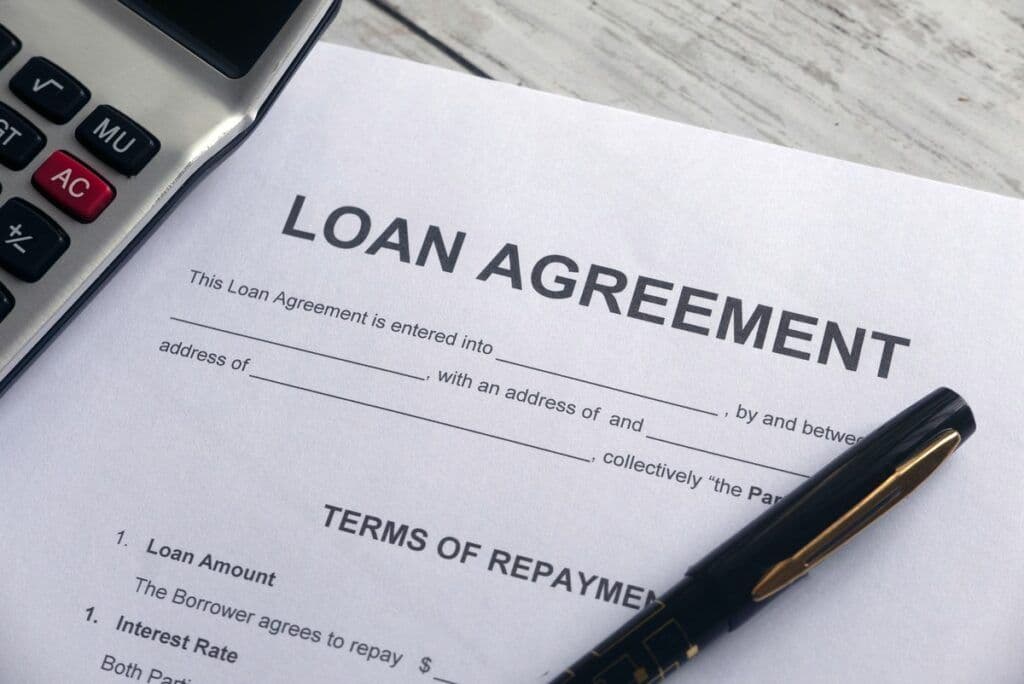
Personal Loan Contract: What to Actually Look for Before Signing

Loan in
60 Minutes
Your personal loan contract outlines the conditions that you and the lender agreed on. It includes the loan amount, interest rate, repayment term, and any fees or guidelines related to the personal loan. Review it and make sure it matches what was presented to you when you applied for the loan.
Quick Reads
-
Check whether the loan amount, interest rate, EMI, and tenure are correct.
-
Find the total amount payable, not just the EMI.
-
Go through processing, late payment, prepayment, and foreclosure charges.
-
Note the EMI date and the terms that apply if a payment is missed.
-
Check your name, bank details, and other information for errors.
When you receive a confirmation from your loan provider after approval, the loan application feels almost complete. However, one thing still remains: reading the loan agreement.
The loan document can include information you may overlook when you are laser-focused on getting the loan. While the interest rate and EMI seem straightforward, understanding the additional charges, repayment schedules, and closure terms is equally important. Once you have this letter in hand, you have a small window of opportunity to verify them.
What Is a Personal Loan Contract?
A personal loan agreement is the contract between you and the lender documenting the terms and conditions under which a loan is made and repaid.
You will generally see information such as the sanctioned loan amount, interest rate, tenure, EMI, repayment schedule, charges levied, and terms and conditions for default or prepayment. The contract can differ from one lender to another, and no agreement is the same.
If your contract contains a separate closure, schedule, annexure, or specific clauses, ensure you carefully read and understand them.
What Should You Check in a Personal Loan Contract?
Begin with the numbers that determine what you borrow and what you have to repay. A quick comparison with the loan offer can help you spot a mismatch before you sign.
Loan amount and disbursal
Look at the sanctioned loan amount and compare it with the figure in the agreement. Then check the amount that is expected to reach your bank account.
The credited amount can be lower than the sanctioned amount if a fee is collected before disbursal. The agreement or related documents should make this clear.
Interest rate
Verify that the rate mentioned in your credit agreement is the same as the one mentioned at the time of application. Also, if your credit agreement mentions how interest will be determined, read that portion to fully understand its implications.
Tenure and EMI
The tenure tells you how long you will repay the loan, while the EMI shows the scheduled monthly payment. Increasing the loan tenure can make EMIs easier for many people. Nevertheless, it leads to more money paid in interest over the long run. Calculate your full payout amount before concluding that the EMI plans suit you financially.
Fees and other charges
Do not skip the section covering charges. Depending on the loan, the agreement may mention processing fees, late-payment charges, prepayment or foreclosure charges, taxes, and other applicable costs. Knowing these charges beforehand gives you a complete picture of the loan cost.
How Can You Check the Repayment Terms?
The repayment tab of your loan application form clarifies what's in the account once the loan amount has been released. Read it thoroughly if you opt for automatic debit of your EMI from your account.
Repayment date
Find the date your EMI is scheduled. Make sure you identify the bank account used if you have set an auto-debit instruction. Keeping sufficient funds in that account before the due date can help avoid a failed debit.
Missed EMI conditions
Read the clause with information about delayed or missed payments. It should tell you what charges or other consequences may apply. You may never expect to miss an EMI, but knowing these terms in advance is still useful.
Prepayment and foreclosure
Planning to close the loan early? Check the relevant terms before signing. Find out whether partial prepayment or full foreclosure is permitted and whether any conditions or charges apply. This is especially useful if your financial situation may change during the tenure.
What Should You Check About Personal Loan Charges?
The interest rate is just one part of a loan’s cost. Various fees can add up to a significant amount, which can substantially affect the payment at disbursement or the amount due when you repay the loan.
Check the agreement for the following fees:
-
Processing fees
-
Late-payment charges
-
Prepayment or foreclosure charges
-
Applicable taxes
-
Other service-related charges
If you think the lender failed to mention a specific charge, but you have reason to believe it should be included, ask them to add it before you sign the agreement.
Why Should You Check Your Personal Details Before Signing?
Your loan agreement must be signed with the information you provided when you applied for the loan. A wrong name, address, contact information, or bank account number may lead to complications later down the line.
Review your personal and loan information to ensure that everything is in order. Double-check the details of the account from which the money will be taken or to which it will be given. If anything looks incorrect, have it changed before you sign the agreement.
What Does a Personal Loan Agreement Sample Usually Include?
A personal loan agreement sample can give you a general idea of how a loan document will be arranged. It can help if you are seeing terms such as repayment schedule, default, or foreclosure for the first time.
However, a sample is only a reference. Your lender's actual agreement matters because terms can vary by lender and loan product.
|
Section |
What it covers |
|
Borrower details |
Name and identifying information |
|
Loan details |
Approved amount and other loan particulars |
|
Interest |
Applicable rate and related terms |
|
Repayment |
EMI, due dates, and tenure |
|
Charges |
Fees and other applicable costs |
|
Default |
Terms for delayed or missed payments |
|
Prepayment |
Conditions for early repayment |
|
General terms |
Other rights and responsibilities |
The agreement may contain additional sections depending on the lender.
What Are the Red Flags to Look for Before Signing?
Start by comparing the final document with the loan offer. If the interest rate, EMI, tenure, loan amount, or charges are different from what you expected, stop and ask why. Unexplained fees deserve your attention too. The same goes for clauses that are difficult to interpret or terms that you did not come across during the application.
What Should You Do Before Signing a Personal Loan Agreement?
Always read the loan agreement to the end. Cross-reference the main figures to the initial offer, and check the dates of payments and late payment/charge figures. Confirm that all of your personal data and financial account information is correct. If you notice something that seems wrong or you do not fully understand before signing, contact the lender.
After you understand all the conditions of the loan agreement, make sure you keep copies of the signed contract and related documents. This will save you time and effort if you need to refer to the contract during the repayment period.
Conclusion
A personal loan contract provides much more than the amount of money the borrower receives from the bank. The interest rate, EMI, repayment period, and any additional fees and conditions are included in the document.
Finnable's financial assistance helps the borrower take control of the situation and understand the nuances of the loan agreement. Before signing, it is essential to check the numbers, study the clauses that may affect the payment, and clarify the terms that seem unclear. A few minutes spent reviewing the contract can save hours of trouble with the loan agreement later.
About the Author

A personal loan contract is an agreement for a specific loan between you and the lender. It sets out variables like the interest rate, the initial amount to be repaid, terms, fees, and any additional conditions.
Check the loan amount, interest rate, EMI, tenure, total repayment, applicable charges, missed-payment terms, and prepayment or foreclosure conditions. Your personal and bank details must also be correct.
A lender may provide a sample agreement for reference. However, the agreement issued for your own loan is the important document because its terms may differ from a sample.
It can. Loan documents generally set out processing fees and other applicable charges. Check the agreement and accompanying disclosures to see which charges apply.
What Is a Personal Loan Contract?
What Should You Check in a Personal Loan Contract?
How Can You Check the Repayment Terms?
What Should You Check About Personal Loan Charges?
Why Should You Check Your Personal Details Before Signing?
What Does a Personal Loan Agreement Sample Usually Include?
What Are the Red Flags to Look for Before Signing?
What Should You Do Before Signing a Personal Loan Agreement?
Conclusion