
No Cost EMI: How It Works and What You Need to Know in 2026

Loan in
60 Minutes
Introduction
No cost EMI has become one of the most popular payment options for electronics, appliances, and big-ticket purchases across India. The promise sounds perfect: pay in monthly instalments without any interest charges. But understanding no cost EMI and how these schemes actually function can save you from unexpected costs at checkout.
Banks and retailers collaborate to make these offers attractive. E-commerce platforms highlight zero-cost instalments prominently during sale periods. Consumers benefit from improved affordability. However, transparency around actual costs varies significantly between lenders and merchants.
What Is No Cost EMI?
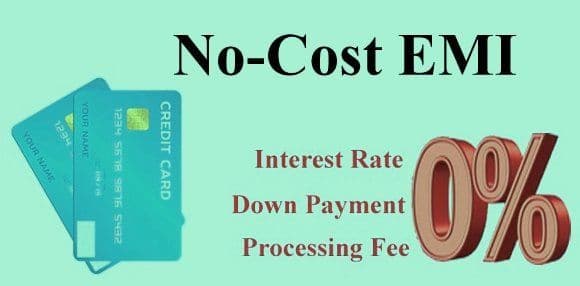
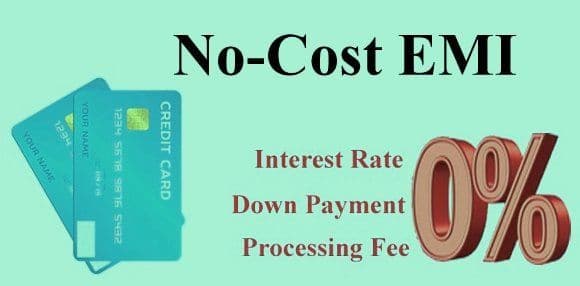
It refers to an instalment payment scheme where buyers pay the product price divided into equal monthly payments without visible interest charges. The merchant typically offers a discount equal to the interest amount that would have been charged on a regular EMI plan.
The term "no cost" suggests you pay zero extra charges beyond the product price. Reality differs. Most no cost EMI offers involve upfront discounts being converted into interest components, processing fees getting added to the base amount, or a combination of both. The monthly instalment might feel manageable, yet the total you pay often exceeds what a straightforward purchase would cost.
Here's the mechanism: suppose a laptop costs ₹60,000. The retailer offers 10% upfront discount, reducing the price to ₹54,000. You choose a 6-month EMI plan at 15% annual interest. The interest on ₹54,000 for 6 months would be approximately ₹2,430. The retailer adjusts the upfront discount to absorb this interest cost, so your total payment remains ₹60,000 (or close to it) divided across 6 months.
It shifts the interest burden from consumer to merchant through discount manipulation. The buyer perceives zero interest. The seller compensates by reducing their margin or negotiating with the bank to share the interest cost.
Not all no cost EMI schemes follow identical structures. Some involve:
-
Manufacturer or retailer absorbing the full interest
-
Cashback or reward points offsetting interest charges
-
Processing fees added to the principal amount
-
GST on interest being passed to the customer
Financial institutions like banks and NBFCs partner with e-commerce sites and retail chains to offer these payment plans. The lender processes the transaction as a regular loan with interest, but the merchant's discount creates the "no cost" illusion for the buyer.
How No Cost EMI Works
When you select this option at checkout, the lender (bank or NBFC) extends credit for the purchase amount. They charge interest as per standard personal loan or credit card terms.
The retailer simultaneously applies a discount to the product price. This discount amount typically equals the interest the lender will charge over the EMI tenure. The monthly instalment you see reflects the original price divided by the number of months, making it appear interest-free.
Processing fees matter. Many lenders charge 2-3% as processing fees on no cost EMI transactions. On a ₹50,000 purchase, that's ₹1,000 to ₹1,500 added upfront. GST applies to both interest and processing fees, further increasing the total cost. These charges rarely appear in promotional headlines.
Eligibility criteria mirror regular loan requirements. You need:
-
Minimum CIBIL score (usually 700-750 for most banks)
-
Valid credit card or approval for an instant credit line
-
KYC documents (PAN, Aadhaar)
-
Age between 21 and 55 years
-
Stable income source
No cost EMI also depends on the payment method. Credit card-based EMI converts your purchase into a loan on your existing card. The bank blocks your credit limit by that amount. Bank-issued instant credit lines work similarly but require a fresh approval process. Both methods report to credit bureaus and impact your credit utilisation ratio.
Prepayment terms vary. Some lenders allow early closure without penalties. Others charge 3-6% plus GST if you close the EMI before completing half the tenure. To understand more about foreclosure rights and advance payment rules, reviewing how advance EMI payments work is a useful starting point.
No Cost EMI Offers: What Lenders Actually Provide
These offers flood the market during festive seasons, sale events, and product launches. E-commerce giants and electronics retailers promote these schemes heavily. The actual value depends on what the specific offer includes and excludes.
Common categories for these offers include:
-
Consumer electronics (smartphones, laptops, cameras, televisions)
-
Home appliances (refrigerators, washing machines, air conditioners)
-
Furniture and home décor items
-
Fashion and lifestyle products during mega sales
-
Travel bookings and hotel packages
Banks typically partner with specific merchants for these promotions. NBFCs have also entered this space, offering instant digital credit for purchases.
Tenure options range from 3 to 24 months, with 6 and 12-month plans being most popular. Longer tenures reduce the monthly burden but increase the total interest absorbed by the merchant, making such offers less common for high-margin products.
Minimum purchase amounts apply. Most no cost EMI offers require transaction values above ₹5,000 or ₹10,000. Maximum limits can extend to ₹2 lakhs or more depending on the lender's risk assessment and your credit profile.
Some platforms bundle additional benefits with these offers:
-
Extended warranty at no extra cost
-
Free accessories or gift vouchers
-
Cashback credited after EMI completion
-
Priority delivery or installation services
Always verify what the merchant's advertised price includes. A product listed at ₹50,000 with a no cost EMI offer might have a regular cash price of ₹45,000 due to a standard discount. In such cases, you pay ₹5,000 extra for the instalment convenience.
Using the EMI calculator helps compare what regular EMI would cost versus the no cost EMI structure. Input the principal amount, interest rate, and tenure to see the actual interest component being absorbed in the no cost scheme.
Hidden Costs in No Cost EMI Schemes
The term "no cost" creates an expectation of zero additional charges. Reality includes several fees that inflate the final amount you pay. Processing fees top the list. Lenders charge this upfront, typically 2-4% of the purchase value plus 18% GST.
On a ₹60,000 transaction with 3% processing fee:
-
Processing fee: ₹1,800
-
GST on processing fee: ₹324
-
Total upfront cost: ₹2,124
This amount gets added to your first EMI or deducted from your account immediately. The monthly instalment might appear affordable, but you've already paid over ₹2,000 extra.
Interest GST represents another hidden component. Even though the merchant absorbs the interest, GST on that interest amount sometimes passes to the buyer depending on how the lender structures the transaction. This can add 18% to the hidden interest cost.
Foreclosure charges apply if you want to close the EMI early. Despite paying no visible interest, lenders treat these as loans and impose prepayment penalties. Charges range from 2% to 6% of the outstanding principal plus GST. Borrowers looking to reduce their personal loan EMI burden can explore part-payment and tenure adjustment strategies before committing to any fixed instalment plan.
Late payment penalties hurt if you miss an EMI. Charges can be ₹500 per missed payment plus additional interest on the overdue amount. Your CIBIL score also takes a hit, affecting future loan eligibility. Maintaining timely payments is crucial even when the base interest rate appears to be zero.
Opportunity cost matters. When you lock funds into EMI payments, you lose the ability to invest that money elsewhere or keep it as an emergency buffer. A ₹10,000 monthly EMI for 6 months means ₹60,000 tied up in instalments that could have earned returns in a mutual fund or remained available for urgent needs.
No Cost EMI vs Regular EMI: Key Differences
|
Factor |
No Cost EMI |
Regular EMI |
|
Interest Cost |
Zero visible interest; merchant absorbs it via discount or price markup |
Explicit interest charged; typically 12–24% p.a. shown upfront |
|
Transparency |
Low; processing fees, GST and hidden charges inflate true cost |
High; total interest payable is clearly stated at the time of application |
|
Example (₹50,000 laptop, 12 months) |
₹4,167/month; total paid ₹50,000 (plus processing fee) |
₹4,567/month at 18% p.a.; total paid ≈₹54,800 |
|
Processing Fee |
2–4% + 18% GST typically charged upfront |
Processing fee applies but is disclosed as part of the overall loan cost |
|
Min. CIBIL Score |
Typically 750+ (stricter; promotional scheme for low-risk borrowers) |
675+ with Finnable; broader eligibility across income and credit profiles |
|
Repayment Flexibility |
Low; locked into fixed tenure with limited modification options |
High; part-payment, foreclosure, and tenure extension available with defined charges |
|
Credit Utilisation Impact |
Reduces credit card limit by the full purchase amount until fully repaid |
Opens a separate credit account; does not affect existing credit card limits |
|
Tax Benefits |
None; no deductions available for consumer goods purchases |
Deductions may apply for home renovation or education loans under specific IT sections |
You can use Finnable’s personal loan EMI calculator to compare actual monthly outgo under both options before finalising your purchase.
Who Should Consider No Cost EMI
No cost EMI suits specific financial situations and purchase types. If you need an expensive item immediately but lack the full amount in cash, spreading payments over 3-6 months can ease the burden without depleting savings entirely.
Young professionals purchasing their first laptop or smartphone for work often benefit. Rather than taking a regular personal loan with interest, opting for this scheme on the merchant's website saves on interest charges, provided you account for processing fees.
Those with stable monthly income and confidence in repayment ability should consider this option. Missing EMI payments damages your credit score and attracts penalties. If your job security is uncertain or monthly income fluctuates, paying upfront or postponing the purchase might be wiser.
Budget-conscious buyers can use no cost EMI strategically during sale periods. E-commerce festivals often combine additional bank discounts with zero-cost instalments. Stacking these offers can result in genuine savings compared to regular pricing.
Avoid this scheme if:
-
The product has a cash discount exceeding the processing fee and hidden charges
-
You can invest the lump sum amount at returns higher than the implicit interest rate
-
Your credit utilisation ratio is already high, and adding EMI would hurt your CIBIL score
-
You're unsure about affording the monthly instalment comfortably
Making Smart EMI Decisions
No cost EMI offers convenience and affordability for specific purchases when understood fully. The key lies in calculating the true cost including processing fees, GST, and opportunity costs before committing. Comparing the price of this scheme with the cash price reveals whether you're genuinely saving or paying a premium for instalment flexibility.
Using transparent financing options like personal loans provides clarity on total costs, flexible usage, and faster approval processes. Whether you choose EMI or upfront payment, aligning the decision with your financial goals and repayment capacity ensures purchases enhance your life without creating debt stress.
For purchases requiring immediate financing, exploring multiple options including no cost EMI, credit cards, and personal loans helps identify the most cost-effective solution. Understanding what is no cost EMI, how it works, and evaluating such offers critically puts you in control of your financial decisions.
About the Author

No. It involves interest that the merchant absorbs through discounts or price adjustments. While you don't pay interest directly, processing fees, GST, and potential hidden charges mean the total cost often exceeds the advertised price.
Most banks offering this scheme require CIBIL scores of 700-750 or higher. For personal loans with greater flexibility, Finnable approves applications with CIBIL scores as low as 675, evaluating income stability and repayment capacity beyond just credit scores.
Missing an EMI triggers late payment penalties (typically ₹500 or more), additional interest on the overdue amount, and negative reporting to credit bureaus. Your CIBIL score drops, affecting future loan eligibility and interest rates. Reviewing how to pay personal loan EMI online can help you set up auto-debit and avoid missed payments entirely.
Most lenders charge processing fees ranging from 2-4% of the purchase value plus 18% GST. Some promotional campaigns waive these fees, so comparing offers from different banks and platforms before purchasing can result in savings.
Foreclosure is possible but usually involves charges of 2-6% of the outstanding principal plus GST. Finnable allows prepayment after 6 EMIs with clear charges disclosed upfront, giving borrowers flexibility compared to stricter schemes.
Introduction
What Is No Cost EMI?
How No Cost EMI Works
No Cost EMI Offers: What Lenders Actually Provide
Hidden Costs in No Cost EMI Schemes
No Cost EMI vs Regular EMI: Key Differences
Who Should Consider No Cost EMI
Making Smart EMI Decisions