
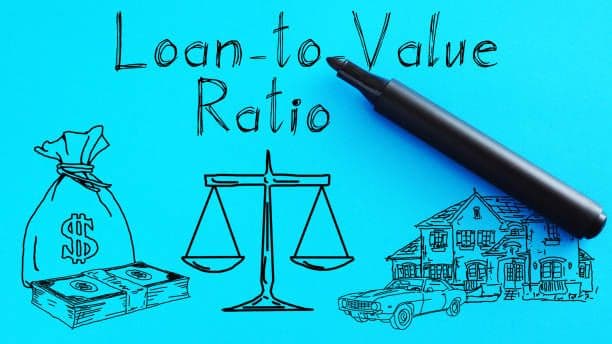
Loan to Value Calculator

Loan in
60 Minutes
Introduction
When applying for a secured loan, one of the key factors lenders consider is the Loan to Value (LTV) ratio. This ratio helps them assess the amount they are willing to lend based on the value of the property you’re using as collateral. Understanding the LTV ratio and how it affects your loan interest rates, and terms is crucial. Hence, you can use a loan to value calculator to compute this ratio and understand how LTV can influence your chances of loan approval.
What is Loan to Value Ratio?
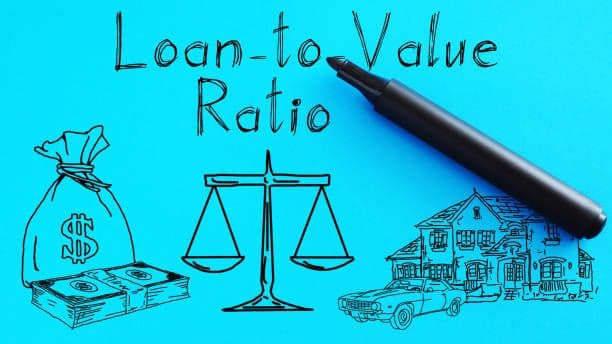
The loan to value (LTV) ratio refers to the proportion of a loan amount relative to the market value of the asset being pledged as collateral. It is a key metric lenders use to assess credit risk. A higher LTV indicates greater lender exposure, which typically results in stricter scrutiny, higher interest rates, or mandatory mortgage insurance.
Three primary factors determine an applicant's LTV position:
-
The current market valuation of the asset, based on today's prices rather than the original purchase cost.
-
The loan amount being requested.
-
Any existing loans already secured against the same asset.
The loan to value ratio meaning extends beyond loan approval. It affects processing fees, interest rate brackets, and whether mortgage insurance becomes a requirement. A borrower at 60% LTV is assessed very differently from one approaching 85%, even for the same loan type. Reviewing loan eligibility criteria alongside the LTV ratio provides a more complete picture of borrowing capacity.
Loan to Value Ratio Formula
The loan to value ratio formula is straightforward:
LTV Ratio = (Loan Amount / Property Value) x 100
For instance, if the loan amount is ₹60 lakh and the property value is ₹75 lakh, the LTV ratio works out to 80%. Lenders use their own valuation of the asset, not the purchase price or listing amount, which means applicants should account for potential differences between the market price and the bank's assessed value.
The same loan to value ratio formula applies to car loans, gold loans, and loans against securities, with different acceptable thresholds for each category.
Explanation of Formula Components
-
Loan Amount: The total amount requested from the lender.
-
Property Value: The current market valuation of the asset as assessed by the lender's appointed valuer.
-
Multiply by 100: Converts the ratio into a percentage for easy interpretation.
How to Use a Loan to Value Calculator
-
Enter the Property Value: Input the current market value of the asset. Use a professionally assessed figure where possible, not the listing price.
-
Enter the Loan Amount: Key in the amount to be borrowed.
-
Review the LTV Output: The calculator will display the LTV percentage instantly.
-
Adjust Inputs: Modify either the loan amount or property value to see how the ratio changes and identify a more favourable position before approaching a lender.
The loan to value calculator functions as a planning tool. Banks will conduct their own asset assessments, and their figure governs the final ratio. You can use Finnable’s EMI calculator alongside the LTV calculation to get a better picture of your expected repayment obligations.
Benefits of Using a Loan to Value Calculator
Instant, Accurate Results
The calculator eliminates manual computation and delivers the LTV percentage immediately upon entering loan and property values.
Pre-Application Planning
Knowing the LTV ratio in advance allows applicants to determine whether the current down payment is sufficient or whether additional savings are required before applying.
Scenario Comparison
The tool allows borrowers to test multiple combinations of loan amounts and property values, helping identify the configuration that yields the best ratio and the most favourable lending terms.
Improved Negotiation Position
Applicants who arrive at lender discussions with a clear understanding of their LTV ratio are better positioned to negotiate interest rates and loan conditions.
RBI Guidelines on LTV Limits in India
The Reserve Bank of India mandates maximum LTV caps for home loans that all regulated lenders must observe:
-
Home loans up to ₹30 lakh: maximum LTV of 90%.
-
Home loans between ₹30 lakh and ₹75 lakh: maximum LTV of 80%.
-
Home loans above ₹75 lakh: maximum LTV of 75%.
These are regulatory ceilings, not guaranteed offers. Most lenders apply their own internal risk policies that are often more conservative than the RBI mandates.
How LTV Ratio Affects Loan Terms
The LTV ratio directly influences four aspects of a secured loan:
-
Interest Rates: A lower LTV generally translates to a more competitive interest rate. A borrower at 65% LTV may secure 8.5% p.a., while one at 85% LTV for the same loan type may be offered 9.2% p.a. Over a 20-year tenure on ₹50 lakh, that 0.7% difference amounts to approximately ₹5.8 lakh in additional interest.
-
Down Payment: A higher LTV reduces the upfront down payment requirement. However, the associated interest rate premium should be factored into the total cost before deciding on the borrowing structure.
-
Approval Probability: Applications close to the regulatory cap face more rigorous scrutiny from lender risk teams. Borderline LTV positions can slow the approval timeline considerably.
-
Mortgage Insurance: Several lenders require mortgage insurance for LTV ratios above 80%, which adds 0.5% to 1% annually to the effective cost of borrowing.
Strategies to Achieve a Better LTV Ratio
-
Increase the Down Payment: An additional ₹5 lakh saved on a ₹50 lakh property moves the LTV from 90% to 80%, which has a measurable impact on how lenders assess the application.
-
Challenge the Property Valuation: Bank assessments are not always final. Presenting comparable recent transactions from the same locality may prompt a reassessment upward.
-
Clear Existing Secured Debt: Multiple loans on one asset result in a cumulative LTV. Paying off an existing secured loan before applying for a new one improves the ratio meaningfully.
-
Strengthen the Credit Profile: While a CIBIL score does not directly alter the LTV calculation, a strong credit history may support more favourable negotiations at higher LTV levels.
When LTV Calculations Do Not Apply
Unsecured borrowing does not involve an LTV calculation. Personal loans require no collateral, which means lenders evaluate income, employment history, and credit behaviour rather than asset values.
Finnable, an RBI-registered NBFC, provides unsecured personal loans ranging from ₹50,000 to ₹10 lakh. The eligibility criteria for the loan is based on a minimum monthly income of ₹15,000 for salaried individuals, a minimum employment tenure of six months with the current organization, and an age bracket of 21 to 55 years. Loan disbursal is completed digitally with no property valuation required. Interest rates range from 15% to 30.99% p.a. on a reducing balance basis.
About the Author

An LTV ratio below 80% is generally favourable. Borrowers in the 70% to 75% range tend to receive more competitive interest rates and faster approvals. Ratios below 60% rarely yield proportionate benefits relative to the larger down payment required.
The same formula applies: Loan Amount divided by Vehicle Value, multiplied by 100. New vehicles typically allow 80% to 85% LTV. Used vehicles are generally capped at around 70% due to higher depreciation risk. Most lenders apply the ex-showroom price rather than the on-road price for the vehicle valuation.
No. LTV limits are determined by asset value and regulatory guidelines, not by credit scores. A high CIBIL score may support better rate negotiations at a given LTV level but will not override RBI-mandated caps.
Yes, if the property value appreciates. A property originally worth ₹50 lakh that rises to ₹60 lakh permits a higher loan amount at the same LTV percentage. This principle underlies top-up loans and refinancing arrangements.
This results in negative equity, a situation where the borrower owes more than the asset is currently worth. Lenders may request additional collateral or partial prepayment.
Introduction
What is Loan to Value Ratio?
Loan to Value Ratio Formula
Explanation of Formula Components
How to Use a Loan to Value Calculator
Benefits of Using a Loan to Value Calculator
RBI Guidelines on LTV Limits in India
How LTV Ratio Affects Loan Terms
Strategies to Achieve a Better LTV Ratio
When LTV Calculations Do Not Apply