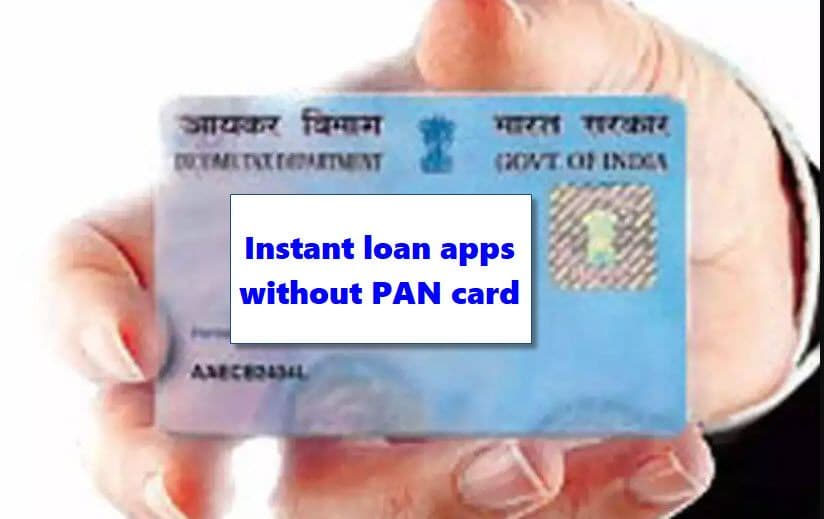
Loan App Without PAN Card: Understanding Your Options
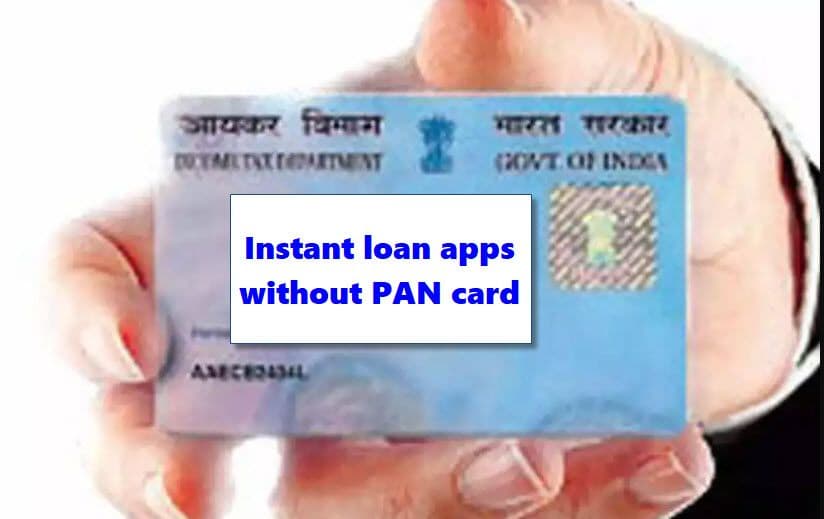

Loan in
60 Minutes
Introduction
Most loan apps require a PAN card because it is the primary identity document lenders use for KYC compliance, CIBIL verification, and RBI-mandated documentation. Without it, regulated NBFCs cannot assess creditworthiness or verify declared income against tax records. That said, a limited range of loan products does operate without PAN: employer salary advances, microloans below ₹15,000 from certain fintech platforms, and gold loan facilities where Aadhaar plus collateral may suffice. For loan amounts above ₹50,000, RBI regulations require PAN as part of standard documentation.
Why Most Loan Apps Require PAN Card
Understanding why a loan without a PAN card remains difficult helps set realistic expectations before searching for alternatives.
Tax linkage verification: PAN connects to Income Tax records. Lenders verify declared income against claims in the application. Significant mismatches between stated salary and ITR filings are immediately apparent and typically result in rejection.
CIBIL check requires PAN: Credit score, payment history, existing loans, and credit card dues are all accessed through PAN-linked bureau records. A loan app without PAN card cannot pull a CIBIL report, making credit risk assessment impossible for the lender.
RBI compliance mandates KYC documentation: Financial institutions must verify borrower identity before disbursement. PAN (or Form 60 in specific cases) fulfils this regulatory requirement. Operating without it exposes lenders to compliance penalties.
Fraud prevention: Multiple loan applications using different identities are caught through PAN linkage. The same PAN appearing across applications reveals patterns that legitimate lenders watch for during underwriting.
Money laundering regulations: Loans above ₹50,000 fall under financial reporting requirements. PAN creates the paper trail regulators expect. A loan app without PAN card for larger amounts would violate these norms.
Instant Loan Without PAN Card: What Actually Exists
Some loan products genuinely work without a PAN. Understanding what is available helps match expectations to reality before applying.
Employer salary advances: Companies typically already hold employee PAN on file for payroll. The advance deducts from future salary with no external lending involved. Amounts are usually capped at one month's salary.
Microloans from certain fintech apps: Some platforms process amounts between ₹5,000 and ₹15,000 without PAN for very short tenures of 15 to 30 days. Interest rates on such products tend to run extremely high when annualised, often exceeding 100%. Technically an instant loan without PAN card, but practically an expensive emergency credit option.
Gold loan facilities: Aadhaar plus gold collateral may suffice at certain branches where the physical asset provides security. Most organised gold loan NBFCs now require PAN even for gold-backed products.
Peer-to-peer borrowing: Borrowing from family or friends requires no formal documentation, though amounts and availability depend entirely on personal circumstances.
The pattern across all these options is consistent: legitimate products exists only for small amounts, very short tenures, or situations where alternative security (gold, employer guarantee) substitutes for standard identity verification.
Risks of Unregulated Loan Apps Without PAN Card
Searching for a loan app without a PAN card frequently leads borrowers to unregulated operators. The risks involved deserve careful consideration before proceeding.
-
Predatory interest rates: Confusing fee structures mask true costs. A ₹100 processing charge on a ₹1,000 loan for seven days equals 10% weekly, or approximately 520% annually. This is rarely disclosed clearly at the time of application.
-
Contact access creates harassment potential: Unregulated apps frequently demand full phonebook access. Default on payment and they message relatives, colleagues, and acquaintances with embarrassing collection notices. Documented cases of extreme harassment through this method exist and have been reported to regulators.
-
Photo gallery access enables blackmail: Some apps request camera roll permissions. Personal photos have been used as leverage in the collection of threats. A loan without a PAN card from such sources carries risks far beyond the interest rate charged.
-
Data harvesting beyond loan purposes: Personal information gets sold to third parties. Spam calls increase, and identity theft risks rise. The convenience of minimal documentation enables data exploitation that continues well after the loan is repaid.
-
Hidden charges multiply outstanding amounts: Processing fees, insurance charges, platform fees, and late payment penalties compound quickly. A ₹5,000 loan may require ₹8,000 repayment within 15 days, with no transparent disclosure made at the time of borrowing.
-
Legal recourse is limited: Unregulated lenders operate outside RBI supervision. Consumer court complaints are difficult to pursue. Recovery of harassment continues without effective remedies for the borrower.
Warning Signs of Predatory Loan Apps
The following signals indicate a dangerous loan app without PAN card offering:
-
Permission requests beyond reasonable need: loan apps require a camera (document scanning) and SMS (OTP). They do not require contacts, gallery access, location history, or call logs.
-
No RBI registration number displayed: legitimate NBFCs publish their RBI registration details. Verify independently on the RBI website before applying.
-
Interest rates not clearly stated: regulated lenders must disclose APR clearly. Vague terms like "small fee" or "minimum charges" hide true costs.
-
Extremely fast approval without verification: Two-minute approval for ₹50,000 without any document check is not possible from a legitimate lender.
-
Reviews mentioning harassment: Play Store reviews frequently reveal collection practices. Patterns of abusive recovery calls indicate how the operator treats defaulters.
Legal Alternatives When PAN Card Is Not Available
When PAN cannot be provided, several legitimate pathways exist that avoid unregulated lenders entirely.
Apply for PAN first: Online application through NSDL or UTIITSL issues a physical card within 15 to 20 working days. E-PAN generation via Aadhaar-based verification takes 48 hours. If the financial need can wait, obtaining PAN solves the problem permanently.
Form 60 declaration: For those without PAN and transactions below ₹50,000, Form 60 (a declaration for transactions without PAN) may apply. Not all lenders accept it for personal loans, but some microfinance institutions do.
Aadhaar-based microloans: Government-backed schemes and certain microfinance institutions accept Aadhaar as primary ID for small amounts. Mudra loans and similar products are worth exploring through official channels.
Credit unions and cooperative societies: Local institutions that know members personally may have flexibility in documentation. Interest rates are typically reasonable for existing members.
Employer-based solutions: Salary advance through HR remains the most practical immediate option. Many companies have formal policies for advances deducted from future pay with no external documentation required.
Why PAN Card Actually Protects Borrowers
The search for a loan without PAN card sometimes stems from wanting to avoid documentation trails. It is worth understanding why PAN requirements actually work in the borrower's favour.
Regulated lending requires documentation: RBI-supervised lenders must follow fair practice codes. Interest rate caps apply, and recovery practice guidelines are enforced. All of this oversight depends on proper KYC including PAN.
Credit bureau reporting builds credit history: Loans properly reported to CIBIL to improve credit scores over time when repaid on schedule. Instant loan without PAN card options frequently skips bureau reporting, offering no credit-building benefit whatsoever.
Dispute resolution mechanisms exist: Complaints against RBI-regulated entities go to the Banking Ombudsman or directly to the RBI. Consumer protection laws apply. A loan app without PAN card operating outside regulation offers no such recourse for the borrower.
Interest rate transparency becomes mandatory: Regulated lenders must disclose effective annual rates. Comparison shopping becomes possible and there are no surprise charges on repayment day.
Tax documentation assists borrowers: Interest paid on certain loan types qualify for tax deductions. Proper documentation through PAN-linked loans enables these claims.
Finnable's Approach to Documentation
Finnable requires a PAN card as part of standard documentation for all personal loan applications. For those researching a loan app without PAN card, the reasoning behind this requirement is worth understanding.
PAN enables CIBIL verification: The lender evaluates credit history alongside employment stability, income patterns, and banking behaviour. For applicants with limited credit history, its approach to low CIBIL score applications considers these additional factors holistically rather than relying on credit score alone.
Amounts justify documentation: Personal loans from ₹50,000 to ₹10 lakhs require proper identity verification under RBI regulations. PAN fulfils this requirement while protecting both the borrower and lender from fraud and compliance risk.
Interest rates remain transparent: 15% to 30.99% p.a. on reducing balance, clearly stated at application. No hidden charges appear at repayment. Proper personal loan documentation requirements enable this transparency.
60-minute disbursal with complete documents: Having PAN, Aadhaar, and income proof ready enables fast processing. The 60-minute timeline works when documentation is complete. Speed does not require skipping verification for a legitimate NBFC.
Flexible tenures from 6 to 60 months: Proper documentation at application enables flexible repayment terms, prepayment options, and restructuring possibilities throughout the loan tenure. All of this requires the identity verification that PAN provides.
Conclusion
The search for a loan app without PAN card often comes from urgency or a desire to avoid documentation. Both situations have legitimate solutions. E-PAN generation takes 48 hours and solves the problem permanently. Employer salary advances bridge shorter gaps without external lending. For anything larger, unregulated apps carry risks including predatory rates, data exploitation, and harassment-based recovery that far outweigh the convenience of skipping documentation. Finnable's personal loans require standard documentation including PAN and process applications in as little as 60 minutes once documents are complete. Amounts from ₹50,000 to ₹10 lakhs, rates from 15% to 30.99% p.a. on reducing balance, and clear terms throughout. Proper documentation protects borrowers more than it restricts them.
About the Author

Very small microloans below ₹15,000 may be available without PAN from some fintech platforms but amounts above ₹50,000 from regulated NBFCs require PAN for RBI compliance and CIBIL verification. There is no workaround for this requirement with regulated lenders.
PAN enables CIBIL credit checks, income verification through tax records, RBI compliance for KYC norms, and fraud prevention through identity verification. It is a regulatory requirement for all transactions above ₹50,000.
Apps offering significant loans without PAN verification frequently operate outside RBI regulation, charge predatory rates, and use harassment-based recovery methods. The risks of unregulated lending are well-documented and should be weighed carefully.
Form 60 declaration works for transactions below ₹50,000 with some lenders. For most personal loans above that amount, no substitute exists under RBI guidelines. Applying for an e-PAN via Aadhaar (available in 48 hours) remains the most practical solution.
E-PAN through Aadhaar-based verification takes 48 hours. A physical PAN card takes 15 to 20 working days after application through NSDL or UTIITSL.
Introduction
Why Most Loan Apps Require PAN Card
Instant Loan Without PAN Card: What Actually Exists
Risks of Unregulated Loan Apps Without PAN Card
Legal Alternatives When PAN Card Is Not Available
Why PAN Card Actually Protects Borrowers
Finnable's Approach to Documentation
Conclusion