
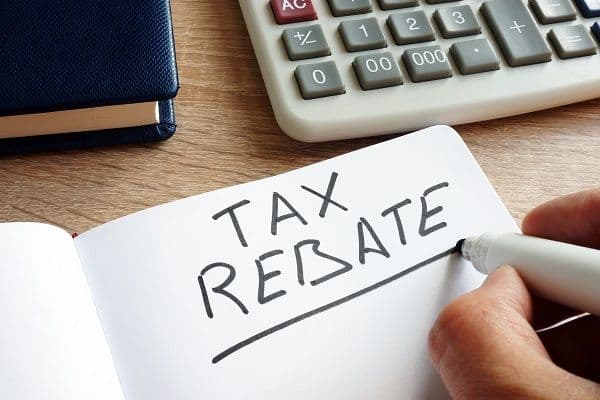
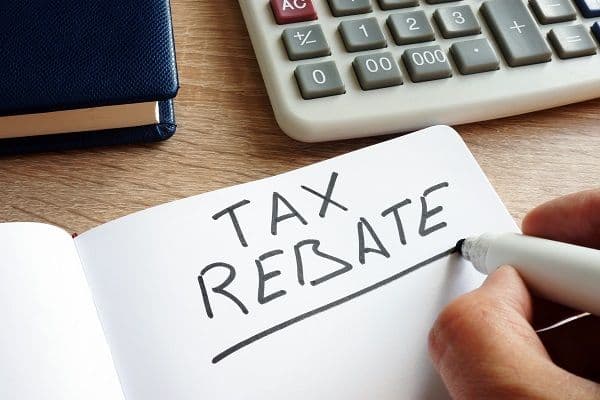
Income Tax Rebate 2026: Eligibility & Limits Under Old vs New Tax Regime

Loan in
60 Minutes
The new tax regime provides a rebate under section 156 if your taxable income is below ₹12 lakh. If you are above the ₹12 lakh bracket, you will not be eligible for any rebate. But the old tax regime provides a rebate of only ₹12,500 if you have taxable income below ₹5 lakh. Here's exactly where those numbers come from, and why the section number changed, but the benefit itself didn't.
Quick Reads
-
Under the new tax rules, you can get a rebate of ₹60,000 on income up to ₹12 lakh.
-
Under the old tax rules, you can get a rebate of ₹12,500 on up to ₹5 lakh income.
-
This rebate is now covered under section 156, not section 87A (other than that, everything remains the same).
-
Resident individuals are eligible for the rebate, whereas NRIs, HUFs, and companies do not qualify.
Every year, the same question is raised in forums and family groups: Will I have to pay any taxes this year? Most taxpayers in India have one benefit that reduces the amount of income tax they have to pay for the year: the income tax rebate. The amount reduces the taxpayer's liability, and in some instances, completely eliminates it.
Since a new tax regime began, the conditions for the income tax rebate 2026 have changed, including the section numbering.
What is an Income Tax Rebate?
A tax rebate is different from both a deduction and an exemption. While a deduction reduces the total income subject to tax, a rebate reduces the tax payable after it is calculated. The provision relating to rebates for individuals is contained in section 156 of the Income Tax Act, 2025, which replaced the well-known section 87A of the Income Tax Act, 1961 w.e.f. the commencement of the new Act.
What is the Maximum Tax Rebate as per the New Tax Regime?
If you have opted for the new regime, section 156(2) provides a rebate of up to ₹60,000 to a resident individual whose total taxable income does not exceed ₹12,00,000. When income crosses ₹12 lakh by a small amount, marginal relief can restrict the additional tax payable to the excess income.
What is the Maximum Tax Rebate as per the Old Tax Regime?
Stick to the old regime and a rebate of up to ₹12,500 under Section 156(1) will be available to you, only if the taxable income after deduction is less than or equal to ₹5,00,000. There is no concept of marginal relief as in the case of the new regime. Any income over ₹5,00,000 means you lose the entire rebate.
Old vs New Regime: Rebate Comparison at a Glance
The two regimes differ significantly when placed side by side. The new regime provides a significantly more generous safety net of benefits, and as a result, salaried taxpayers have shifted toward it after the limit increased. For further clarity, refer to the table below:
|
Feature |
New Regime |
Old Regime |
|
Income ceiling |
₹12,00,000 |
₹5,00,000 |
|
Maximum rebate |
₹60,000 |
₹12,500 |
|
Marginal relief |
Available |
Not available |
Who Qualifies for the Tax Rebate and Who Does Not?
Eligibility depends on a few conditions, and missing any one of them makes a person ineligible to claim the rebate.
-
The rebate is available exclusively to resident individuals, not NRIs.
-
Hindu Undivided Families, firms, and companies are also not eligible, even if they are profitable.
-
Senior citizens (60-79 years) having their total income within the specified limits are eligible to claim the rebate. The rebate does not apply to super senior citizens aged 80 years and above.
-
Income taxed at special rates does not qualify for the rebate under this section. It includes short-term gains chargeable to tax under section 196 (earlier section 111A) and long-term gains chargeable to tax under section 198 (earlier section 112A).
How is the Rebate Calculated? (Quick Example)
Say your taxable income in the new regime is ₹11.5 lakh, and the calculated tax on it comes to ₹52,500. Since ₹11.5 lakh is less than ₹12 lakh and the tax of ₹52,500 is lower than ₹60,000, the entire ₹52,500 will be wiped off by the rebate, leaving you with nothing to pay.
Which Regime Should You Pick?
If your income is less than ₹12 lakh, and you do not have giant deductions like a home loan or insurance premiums to claim, the new tax regime's wider rebate is going to be a friend. But if you are relying on big deductions that only the old regime allows you to claim, it might be worth your time to run both calculations before you file your return. It'll take only 10 extra minutes.
Conclusion
The name of the section has changed, but the underlying tax benefit remains the same. Eligible taxpayers can still have zero tax liability when their income falls within the applicable limit under the new tax regime, and they claim the available rebate. With the upper income limit for the rebate now increased to ₹12 lakh, more taxpayers may be able to reduce their tax liability to zero, subject to the applicable conditions.
About the Author

Yes, for income earned before April 1, 2026, the old Section 87A rules still apply; Section 156 governs income earned after that date.
No. The rebate does not apply to income taxed at special rates, including specified short-term and long-term capital gains.
Yes, it is calculated automatically upon filing a return; you do not have to claim it by any specific action.
Marginal relief applies, which means that you will have to pay additional tax only on the income which exceeds ₹12 lakhs.
No, the same income limits and caps apply, as long as the senior citizen is between 60 and 79 years old.
What is an Income Tax Rebate?
What is the Maximum Tax Rebate as per the New Tax Regime?
What is the Maximum Tax Rebate as per the Old Tax Regime?
Old vs New Regime: Rebate Comparison at a Glance
Who Qualifies for the Tax Rebate and Who Does Not?
How is the Rebate Calculated? (Quick Example)
Which Regime Should You Pick?
Conclusion


