
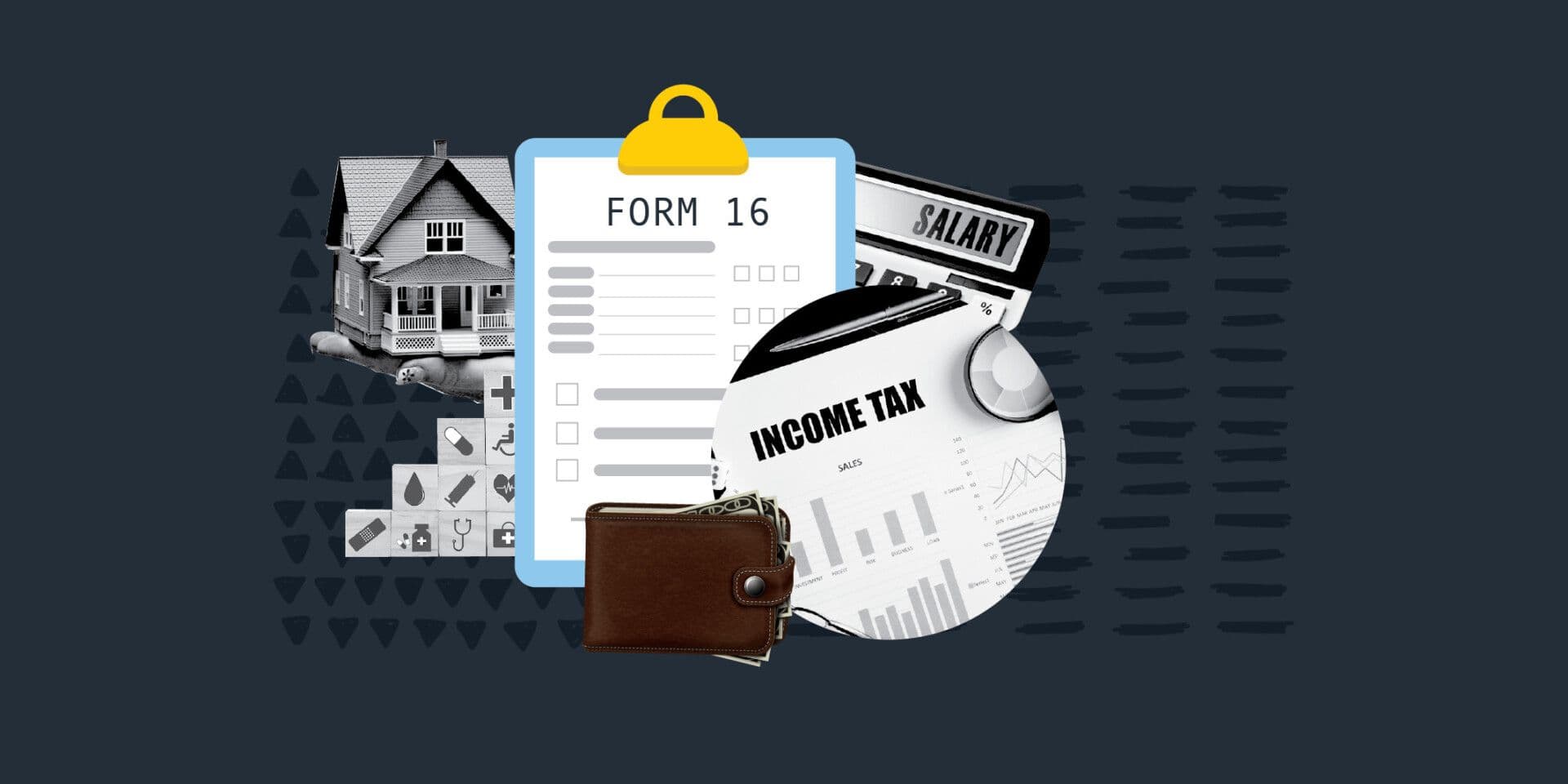
How to Get Form 16 and Why You Need It

Loan in
60 Minutes
Introduction
Form 16 is a crucial document for salaried employees in India, as it simplifies the income tax return (ITR) filing process. Provided annually by employers, Form 16 acts as an official record of an employee’s income and tax deductions, specifically Tax Deducted at Source (TDS) for a given financial year. It contains detailed information on the employee’s salary structure, including allowances, deductions, and exemptions, along with the tax deducted and deposited by the employer on behalf of the employee. This makes it indispensable for ensuring that individuals report accurate information when filing their taxes.
Understanding how to get Form 16 and knowing the different sections within it can empower you to manage your tax obligations efficiently. This blog will walk you through the process of obtaining Form 16, clarify the different types available, and explain why keeping this document as part of your financial records is essential.
Understanding What is Form 16?
Form 16 is an official document issued by an employer that details the salary paid to an employee and the TDS deducted on it during a particular financial year. Think of it as a TDS certificate that helps you understand how much tax you’ve paid and simplifies your income tax filing process. If you’re a salaried employee, Form 16 can also act as a guide to understanding your taxable income and tax-saving investments.
When it comes to Form 16, there are two parts to be aware of:
1. Form 16 Part A
Form 16 Part A is essentially a TDS certificate that includes the following details:
- Personal information of the employee (like PAN and address)
- Employer’s details (TAN, PAN, and address)
- Summary of tax deducted and deposited quarterly
- Assessment year and employer’s signature
Part A is directly downloaded from the TRACES (TDS Reconciliation Analysis and Correction Enabling System) website, an online platform managed by the Income Tax Department of India.
2. Form 16 Part B
Form 16 Part B is a detailed statement of an employee’s total income, including salary, allowances, and deductions under various sections like 80C, 80D, and more. This part is often personalized, as it includes:
- Detailed breakup of the salary structure
- Exemptions under Section 10, such as HRA or LTA
- Deductions like provident fund, medical insurance, and investments
- Net taxable income and tax liabilities
Form 16 Part B is generated by your employer and includes all tax-saving deductions, giving you a clear understanding of your taxable income and final tax liability. Together, Part A and Part B make up the complete Form 16.
How to Get Form 16
Step 1: Check if Your Employer Issues Form 16
The first step to obtaining Form 16 is to confirm that your employer issues it. By law, every employer in India is required to issue Form 16 to employees if they have deducted TDS from their salary. However, if no TDS was deducted during the financial year, they may not issue the form. It’s a good idea to check with the HR or payroll department.
Step 2: Request the Form from Your Employer
In most cases, employers issue Form 16 on their own by the end of the financial year, typically by June 15. If you haven’t received it, you can formally request it from your employer or HR department.
Step 3: Downloading Form 16 from the TRACES Portal
While employees generally get Form 16 directly from employers, companies actually download Part A from the TRACES website and then combine it with Part B. If you’re in an HR or payroll position at your company, here’s how the download works:
- Visit the [TRACES website](https://www.tdscpc.gov.in/app/login.xhtml).
- Log in with the employer’s credentials.
- Go to Downloads > Form 16 > Part A.
- Enter the required details and download the form.
For employees, if you are authorized, you can also access Form 16 via TRACES by reaching out to your employer or the concerned department.
Step 4: Make Sure Form 16 Has All Required Details
After receiving Form 16, review it for accuracy. Make sure your PAN, employer’s PAN and TAN, and TDS details are correct, as any errors might impact your tax filing. Both Part A and Part B should be complete, with all applicable deductions and exemptions clearly outlined.
Why You Need Form 16
1. Helps with Filing Income Tax Returns (ITR)
Form 16 is incredibly helpful for filing your ITR. It provides all the information you need regarding your annual income, tax deducted, and eligible deductions, making it easier to fill in the details in the income tax forms.
2. Proof of Income for Financial Transactions
If you’re applying for a loan, credit card, or mortgage, financial institutions often require proof of income. Form 16 can serve as valid proof of income for these purposes, as it is an official document detailing your salary and TDS deductions.
3. Clarity on Tax Saving Deductions
Form 16 Part B is particularly useful as it provides details on the deductions you’ve claimed. This way, you can track your tax-saving investments and check if you are eligible for further deductions.
Difference Between Form 16, Form 16A, and Form 16B
While Form 16 is primarily for salaried employees, it’s essential to distinguish it from Form 16A and Form 16B, which are also TDS certificates:
- Form 16A: Issued for TDS on income sources other than salary, like fixed deposits, rent, or professional fees.
- Form 16B: Issued when TDS is deducted on the sale of property.
These forms serve different purposes but play similar roles in showing tax deductions. Always remember that Form 16 specifically pertains to salary income.
Conclusion
Understanding how to get Form 16 and its purpose is essential for all salaried employees in India. Whether you’re filing taxes, applying for loans, or planning your financial future, Form 16 is a valuable document. It’s a detailed record of your income, tax deductions, and exemptions, helping you comply with tax laws and manage your finances more effectively.
With the steps and insights provided here, you should be well-equipped to secure your Form 16 and utilize it to your advantage. For further information, don’t hesitate to consult your HR department or refer to official government portals like the [TRACES website](https://traces.tdscpc.gov.in/) and [Income Tax Department](https://www.incometaxindia.gov.in/) to ensure you’re on the right track.
About the Author

Any salaried employee whose employer has deducted TDS from their salary is eligible to receive Form 16. If no TDS was deducted, the employer might not issue it.
If you’re eligible but haven’t received Form 16, contact your employer or HR department. They are legally obligated to provide it if TDS was deducted.
Yes, you can file ITR without Form 16. However, it requires more effort, as you’ll need to gather salary slips, bank statements, and other investment documents to calculate your taxable income.
No, Form 16 is specific to salaried employees. Retired or self-employed individuals do not receive Form 16; they may need Form 16A for TDS on interest or professional fees.
It’s recommended to keep your Form 16 for at least six years, as you may need it for reference in case of any discrepancies with the Income Tax Department.
Introduction
Understanding What is Form 16?
When it comes to Form 16, there are two parts to be aware of:
How to Get Form 16
Why You Need Form 16
Difference Between Form 16, Form 16A, and Form 16B
Conclusion


