

Getting a Home Loan in Mumbai: What Buyers Actually Need to Know in 2026
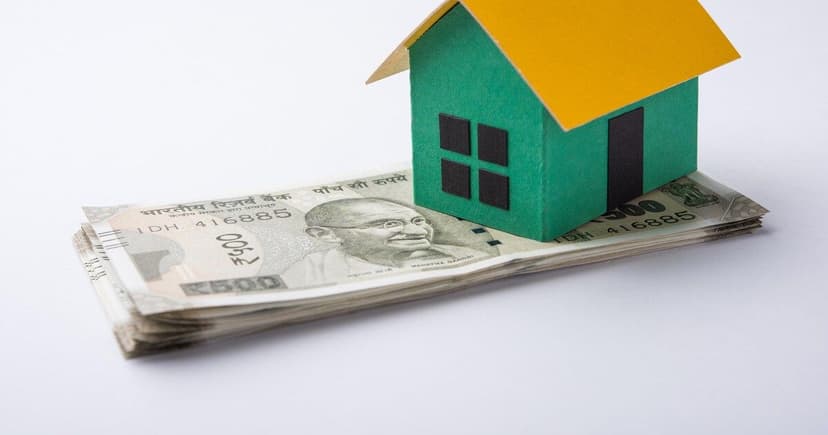

Loan in
60 Minutes
Introduction
Mumbai, known for its fast-paced lifestyle and ever-growing property market, is home to a wide range of housing options. However, buying property in this city can be quite expensive, especially with soaring prices in prime locations. For most, securing a home loan becomes an essential step in turning their dream home into a reality. If you're looking to buy a property in Mumbai, understanding the ins and outs of home loans in the city is crucial. This guide will walk you through the process, loan rates, eligibility requirements, and more, to help you make the right decision when financing your new home.
Home Loan Interest Rates in Mumbai
The interest rates offered on home loans in Mumbai usually start from 8.5% p.a. PSU banks usually offer low rates but their approval process takes time. Private banks and NBFCs reverse that equation entirely. Choosing between the two depends on the borrower's profile and timeline.
With RBI signalling rate adjustments, floating rates look advantageous for new borrowers. Buyers sometimes need ₹2 to ₹5 lakhs upfront for registration deposits or society transfer fees while the home loan is still processing.
What Lenders Really Look at When Approving a Housing Loan in Mumbai
Every bank has an eligibility page. It tells roughly 40 percent of the story. Salaried buyers face a maturity ceiling of 62 years, which catches applicants in their late 40s badly. Self-employed applicants qualify between 25 and 65. While PSU banks usually ask for at least ₹25,000 per month as minimum salary for home loans, some NBFCs go as low as ₹20,000.
CIBIL above 750 unlocks the best available rate. Between 700 and 749, banks add 0.25% to 0.50%. Below 700, choices narrow. Finnable's CIBIL score analysis for home loans maps each score band to pricing outcomes. The property gets underwritten too. LTV caps sit between 75 and 90 percent based on loan size. RERA-registered projects clear verification smoothly. Resale flats in buildings from before 2000 attract extra scrutiny, and some lenders reject structures older than 30 years entirely.
The Document Checklist for a Home Loan in Mumbai
-
Identity and Address: Aadhaar card, PAN card, passport or voter ID, recent electricity bill or registered rent agreement.
-
Income Proof for Salaried Applicants: Last 3 months of salary slips, Form 16 for the past 2 financial years, 6 months of bank statements from the salary account specifically, HR letter with designation and joining date.
-
Income Proof for Self-Employed and Freelancers: ITR for 3 years (37 percent of self-employed rejections trace back to missing ITR filings), CA-certified profit and loss statements and balance sheets, GST certificate and business registration documents, 12 months of bank statements across both business and personal accounts.
-
Property Papers: Sale agreement or allotment letter, title deed with full chain of ownership, municipal-authority-approved building plan, RERA certificate for under-construction projects, encumbrance certificate, society NOC when purchasing resale.
-
For freelancers, filing ITR consistently for 2 to 3 years and maintaining ₹17,000 to ₹25,000 as average monthly balance in the business account demonstrates income genuineness.
The Other Costs Nobody Warns About Until Keys Are Almost in Hand
Home loan interest rate in Mumbai gets 90% of the attention during property research. But five charges outside the EMI add 8 to 12 percent to the total purchase bill. Maharashtra's stamp duty is 6 percent of the registered property value. Women buying within Mumbai municipal limits pay 5 percent, a ₹80,000 saving on an ₹80 lakh flat that has pushed many couples to register under the wife's name. Registration adds 1 percent separately. Total government fees on an ₹80 lakh apartment: ₹4.0 to ₹4.8 lakhs. Finnable's stamp duty calculator handles the state-specific arithmetic instantly.
Under-construction flats attract GST at 5 percent above ₹45 lakhs and 1 percent for affordable housing below that threshold. Legal and technical verification costs ₹5,000 to ₹15,000 per bank. Floating rate borrowers get RBI protection from prepayment penalties, but fixed rate loans still charge 2 to 3 percent for early closure. Honest math: a buyer targeting ₹80 lakhs needs ₹87 to ₹90 lakhs accessible when registration, GST, legal charges, and a three-month EMI buffer are factored in.
PMAY and Tax Benefits That Reduce the Real Cost
PMAY's Credit Linked Subsidy Scheme gives first-time buyers a real cash benefit. EWS and LIG households receive up to ₹2.67 lakhs. MIG-I (Rs. 6 to ₹12 lakhs annual household income) qualifies for ₹2.35 lakhs. MIG-II (Rs. 12 to ₹18 lakhs) receives ₹2.30 lakhs. The property must be the applicant's first residential purchase.
Sections 80C and 24(b) stack tax savings on top of PMAY. Section 80C allows up to ₹1.5 lakhs deducted annually on principal repayment. Section 24(b) covers interest paid, capping at ₹2 lakhs per year for self-occupied property. When two co-borrowers appear on the registration, each can file deductions separately.
About the Author

SBI has the floor at 8.25 percent for salaried applicants with CIBIL above 750. Most major banks cap near 9.75 percent. NBFCs range wider, up to 14 percent for weaker profiles or inconsistent documentation. HDFC Bank starts around 8.35 percent for existing salary account holders.
Yes, at a handful of NBFCs. They evaluate job stability (two-plus years at one company), employer recognition, and whether the savings account shows consistent activity over 6 to 12 months. A borrower earning ₹42,000 monthly at a well-known employer has a realistic shot.
RBI ties it to loan size. Up to ₹30 lakhs: 10 percent down. ₹30 to ₹75 lakhs: 20 percent. Above ₹75 lakhs: 25 percent. A couple targeting ₹90 lakh Thane flat needs ₹22.5 lakhs minimum.
Maharashtra charges 6 percent of registered value. Women buyers within Mumbai municipal limits pay 5 percent. Registration is 1 percent additional. On an ₹80 lakh flat, total government fees run ₹4.8 to ₹5.6 lakhs.
It depends on the profile. SBI and HDFC Bank offer the cheapest home loan rates in Mumbai but take 7 to 15 business days. Bajaj Housing Finance closes in 48 to 72 hours with more flexibility on income documentation. Salaried with 780 CIBIL? SBI is the logical first stop. Self-employed with 700 score? An NBFC is faster and more practical.
Introduction
Home Loan Interest Rates in Mumbai
What Lenders Really Look at When Approving a Housing Loan in Mumbai
The Document Checklist for a Home Loan in Mumbai
The Other Costs Nobody Warns About Until Keys Are Almost in Hand
PMAY and Tax Benefits That Reduce the Real Cost