
Healthy CIBIL Score: Understanding the Ideal Range and Maintenance Strategies

Introduction
Before you even submit a loan application, one factor is already shaping the outcome: your CIBIL score.
A healthy CIBIL score plays a big role every time a borrower approaches a lender in India. It directly impacts the interest rate you’re offered, the loan amount you qualify for, how quickly your application gets processed, and even your chances of approval. The 300 to 900 scale used by credit bureaus may look simple, but it actually captures years of financial behaviour in a single number, and lenders rely on it to assess applications within seconds.
If your score is 750 or above, you’re in a strong position. You’re more likely to get the lowest interest rates, faster approvals, and minimal documentation. On the other hand, if your score is below 700, things can get a bit tougher, with higher borrowing costs, longer processing times, and even rejections from traditional banks becoming more common.
What Is Healthy CIBIL Score, Where Does the Range Start From
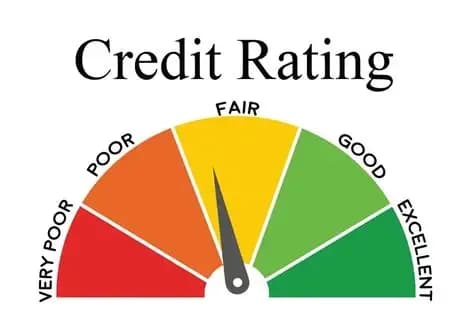
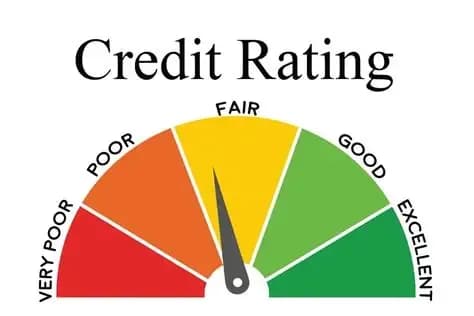
The healthy CIBIL score range starts at 750 and stretches to 900 (the theoretical maximum, though scores above 850 are rare). Banks categorise this entire band as "excellent credit" and roll out their best offers. Faster approvals. Lower interest rates. Minimal documentation. Only about 20% of credit-active Indians maintain scores consistently in this range, according to publicly available bureau data. Understanding what constitutes a good credit score helps borrowers benchmark their own profiles accurately.
-
Scores of 700-749 qualify as "good" by industry convention but receive noticeably different treatment. Interest rates run 1.5-3 percentage points higher. Processing takes 2-5 extra days. Employment verification calls occur. Applicants in this range often find that multiple lenders request physical address verification before approval, extending timelines by a week compared to borrowers above 770 who receive instant digital approval from the same institutions.
-
The 650-699 range enters "fair" territory where traditional bank options contract sharply. PSU banks rarely approve unsecured loans at these levels. Private banks may decline or request collateral. NBFCs become the primary credit access channel here. Finnable, as one example, considers applicants with scores from 675 onwards, incorporating income stability and employer profile into holistic evaluation.
-
Below 650, formal credit access becomes severely constrained. Most applications trigger immediate algorithmic rejection. The target varies based on credit goals (home loans demand higher scores than credit cards), but 750+ provides universal access to good terms across product categories.
Benefits of Maintaining a Healthy CIBIL Score
-
Interest rate savings represent the most tangible benefit of maintaining a good CIBIL score. On a ₹45 lakh home loan over 20 years, the difference between 8.5% (strong credit) and 9.8% (average credit) amounts to approximately ₹8.2 lakhs in additional interest over the tenure. That sum would fund a modest car purchase or a child's first two years of engineering college fees at a decent private institution. The EMI calculator helps visualise how these rate differences compound over full loan tenures.
-
Processing speed improvements save time and stress during urgent situations. Borrowers with scores above 780 routinely receive same-day sanction and next-day disbursal for personal loans. Those with scores in the 670s face 7-10 day processing through NBFC channels at higher rates. For medical emergencies or time-sensitive opportunities, the speed advantage of a healthy CIBIL score can be as valuable as the interest savings.
-
Credit limit availability expands substantially for borrowers in the good CIBIL score range. Applicants above 800 regularly receive credit card limits 5-6 times higher than those offered to borrowers with scores in the 680s, despite similar incomes. Personal loan eligibility follows similar patterns, reaching 25x monthly salary for top scores versus 10-12x for average ones.
-
Negotiating leverage increases when scores are healthy. Borrowers in the 780+ bracket routinely negotiate processing fee reductions from the standard 1.5-2% down to 0.25% or even full waivers, saving ₹7,500-12,000 on a typical ₹6 lakh loan. Banks compete for high-score customers with offers they refuse to extend to average profiles.
Factors That Constitute a Healthy Credit Profile
Payment history perfection forms the non-negotiable foundation of any healthy CIBIL score. Zero late payments across all credit accounts over the 36-month calculation window signals reliability. This single factor accounts for approximately 35% of score calculation. Even a single missed payment of ₹3,000-4,000 (during travel, relocation, or address change) can drop a score from the 770s to the low 700s, requiring 9-11 months of perfect behaviour to recover. The complete breakdown of factors affecting CIBIL score explains how each component weighs into the final number.
Credit utilisation below 30% distinguishes excellent scores from merely adequate ones. Total outstanding credit card balances divided by total available limits should stay under this threshold. Borrowers who make a point of never letting statements generate above 28-30% of their combined limit consistently maintain scores above 800. Sub-10% utilisation correlates with top-tier scores.
Credit history length contributes roughly 15% to calculation. Accounts maintained for 5+ years add positive weight that newer accounts cannot match. The algorithm averages account ages. Closing old accounts (common "cleanup" mistake) or opening many new accounts simultaneously damages this component. A 10-year-old credit card with minimal current usage still contributes positively through age.
Credit mix demonstrates experience managing different credit types. Having both secured loans (home loan, car loan) and unsecured credit (personal loans, credit cards) creates a more credible profile than having only one type. This factor contributes about 10%, with remaining 10% attributed to recent enquiries. A truly healthy CIBIL score profile shows diverse, well-managed credit over extended time.
Strategies to Keep Your Score in the Healthy Range
-
Automating all credit payments eliminates the most common score damage source. Setting up auto-debit mandates for all EMIs, credit card full payments, and utility bills removes human error from the equation. Maintaining three months of payment coverage in the auto-debit account as buffer ensures mandates never bounce. Borrowers who travel frequently or manage multiple accounts find this single step does more to protect a healthy CIBIL score than any other action.
-
Quarterly credit report monitoring catches errors before they cause significant damage. The free annual bureau report should be supplemented with monthly score tracking through banking apps. Approximately 1 in 5 credit reports contain errors ranging from incorrect payment statuses to accounts belonging to similarly-named individuals. Early detection enables timely dispute. Borrowers can check their credit score for free on Finnable as often as needed without any score impact.
-
Active utilisation management throughout billing cycles maintains optimal ratios. Credit card statement dates capture utilisation snapshots that bureaus receive. Making payments before statement generation keeps recorded utilisation low even if monthly spending is high. Borrowers with heavy monthly spend (₹4-5 lakhs) can maintain healthy utilisation by making weekly payments to keep statement balance well under 30% of their combined limit.
-
Limiting new credit applications preserves score stability over time. Each application creates a hard enquiry causing temporary score reduction of 5-15 points. Applying to multiple lenders within short periods causes cumulative drops of 40-50 points. When shopping for loans, completing applications within a 14-day window causes bureaus to treat multiple enquiries as a single rate-shopping event.
Common Threats That Push Scores Below Healthy Levels
Utilisation spikes pose immediate threats even with perfect payment history. Charging a large expense (say ₹3-4 lakhs on a ₹4 lakh limit card, creating 80% utilisation) and planning to clear it within the week is risky if the statement generates before the payment processes. The bureau receives the 80% utilisation data point, and the score can drop 60-70 points that month. Recovery takes 3-4 months of sub-30% utilisation to restore. Borrowers who understand healthy CIBIL score behaviour know to time large purchases around statement dates.
Loan settlements (paying less than full amount owed) create "settled" marks that persist for seven years on credit reports. Banks view settlements as partial defaults regardless of circumstances. A settled status can block loan applications for 2-3 years until the mark ages enough that some NBFCs will consider the applicant. The impact of loan settlement on CIBIL score explains the full consequences and recovery timeline.
Co-signing or guaranteeing loans exposes personal credit to third-party behaviour. Guaranteeing a family member's education or personal loan means their missed EMIs damage the guarantor's score directly. Scores can fall 150-170 points from a guarantee-linked default despite the guarantor never missing their own payments. Recovery requires the primary borrower to resume payments and 12-14 months of patience.
Multiple credit applications in rapid sequence create the pattern bureaus flag as credit desperation. Beyond cumulative enquiry damage, the pattern itself raises risk flags. Applying to four or more lenders within 10 days can trigger fraud alerts and temporary freezes on credit accounts pending verification.
Recovering When Scores Drop: What Is Healthy CIBIL Score to Target
Recovery begins with accurate diagnosis through detailed credit report analysis. The report (not just score) reveals specific factors causing decline, whether missed payments, high utilisation, recent enquiries, settled accounts, or other issues. Each cause requires different remediation strategy. Obtaining the complete report provides necessary granularity. A comprehensive guide on how to get a free credit report covers all available channels.
Addressing payment defaults requires immediate clearance of all overdue amounts followed by 6-12 months of perfect payment behaviour. Recent positive patterns gradually outweigh older negative entries in scoring algorithms. Borrowers who fall to the low 600s after emergency-induced defaults and clear all dues typically reach 700+ within 14 months through disciplined recovery, especially when auto-payments are set up immediately. For anyone rebuilding, 750 should be the milestone to aim for.
Reducing utilisation provides faster visible improvement than fixing payment history for those whose scores dropped due to high credit usage. Bringing card balances below 30% of limits can boost scores within 30-45 days when updated data reaches bureaus. Requesting credit limit increases achieves similar ratio improvement without requiring paydown.
During recovery periods, NBFCs provide credit access that banks may deny. Finnable considers applications with scores from 675 onwards through its personal loan eligibility assessment, evaluating income consistency and employer quality alongside the recovering credit profile. Loan amounts from ₹50,000 to ₹10 lakhs with tenures of 6-60 months enable financial needs during the rebuilding period while regular EMI payments simultaneously build positive credit history.
Securing Financial Flexibility Through Credit Health
Maintaining a healthy CIBIL score requires ongoing attention rather than occasional crisis management. The benefits (lower rates, faster approvals, higher limits, negotiating power) compound over years of credit usage. Regular monitoring, disciplined payment habits, and strategic credit management create financial advantages worth substantial effort.
About the Author

Scores of 750+ receive optimal treatment across lender categories. Scores above 780 qualify for premium terms at most institutions. NBFCs like Finnable consider scores from 675 onwards with holistic evaluation incorporating income stability and employment profile.
Building scores above 700 from zero credit history typically requires 12-18 months of consistent positive behaviour. What is healthy CIBIL score as a first-time target? Aiming for 720+ within the first 18 months is realistic. Starting with secured credit cards or small consumer loans creates initial records. Perfect payment discipline and sub-30% utilisation accelerate development.
Closing cards reduces total available credit (increasing utilisation ratio) and may reduce average account age. Both factors negatively impact scores. Keeping old cards active with occasional small transactions preserves their positive contribution to the profile.
Weekly monitoring is sensible for active credit users. Understanding statement dates and managing balances before those dates keeps bureau-reported utilisation optimal. Multiple payments throughout billing cycles help maintain a healthy CIBIL score despite higher total spending.
Yes, the credit score keeps improving time to time with healthy habits and disciplined spending, one needs to keep an eye on the timelines and avoid unnecessary borrowing.
Introduction
What Is Healthy CIBIL Score, Where Does the Range Start From
Benefits of Maintaining a Healthy CIBIL Score
Factors That Constitute a Healthy Credit Profile
Strategies to Keep Your Score in the Healthy Range
Common Threats That Push Scores Below Healthy Levels
Recovering When Scores Drop: What Is Healthy CIBIL Score to Target
Securing Financial Flexibility Through Credit Health


