Evergreen Loan Explained: How Revolving Credit Works and What Borrowers Should Know

Loan in
60 Minutes
Introduction
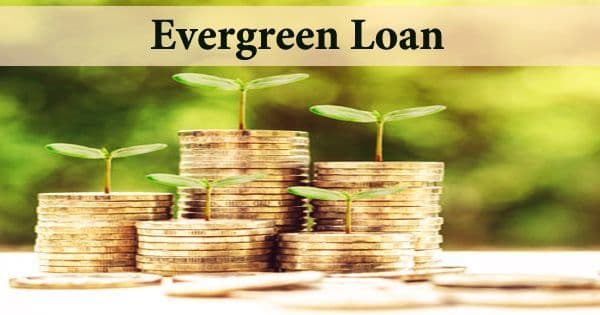
Evergreen loans operate on a revolving credit model with no fixed end date and no scheduled principal payoff. The borrower draws funds up to an approved limit, makes repayments, and can draw again. The credit remains available indefinitely as long as minimum payment requirements are met. Credit cards and bank overdraft facilities are the most familiar examples of evergreen products.
The name reflects the mechanism: availability remains constant, as an evergreen tree keeps its leaves year-round. Understanding how evergreen lending works, what types exist, and when they suit a borrower's situation helps in choosing between revolving and traditional fixed-term credit structures.
What Is an Evergreen Loan?
An evergreen loan provides credit that does not expire. The borrower draws up to the sanctioned limit, repays some portion, and draws again. No reapplication is required between borrowing cycles. Interest accrues only on amounts utilised: a ₹5 lakh limit with ₹2 lakhs drawn means interest charges apply to ₹2 lakhs only. The unused ₹3 lakhs costs nothing. Credit limits restore automatically with repayments, providing continuous liquidity without the friction of fresh applications.
How Evergreen Loans Differ from Traditional Loans
Traditional loans disburse fixed amounts under rigid EMI schedules running for specific tenures. Evergreen lending reverses this model. Amounts drawn can vary. Repayment flexibility allows interest-only payments during tight months and larger payments when cash flow permits. No final deadline creates a permanent repayment obligation. This structural flexibility suits variable expenses and emergency reserves better than fixed-term products, particularly for business owners managing seasonal revenue fluctuations who draw funds in lean periods and repay during prosperous months.
Types of Evergreen Loans
Evergreen Demand Loans
Some evergreen products include a recall clause. Lenders can demand full repayment at any time with appropriate notice. These arrangements typically serve business financing where lenders want flexibility to reassess credit exposure. Interest rates often float with benchmark rates. Borrowers should understand recall provisions fully before signing, as unexpected repayment demands create significant financial stress.
Evergreen Term Loans
Some term loans include evergreen renewal features at maturity. Rather than facing mandatory closure, borrowers can renew or extend. Renewal requires credit reassessment and updated documentation; approval is not automatic. Changed financial circumstances affect renewal terms or eligibility.
Common Examples: Credit Cards and Overdraft Lines
Credit cards are the most familiar evergreen product. Spending up to the limit, making minimum monthly payments, and continuing to use available credit indefinitely is the standard usage pattern. Interest applies to carried balances; clearing the full amount before due dates eliminates interest charges. Overdraft facilities function similarly, allowing withdrawals exceeding account balances up to sanctioned limits with interest only on overdrawn amounts. Many businesses rely on overdrafts for working capital through evergreen lending arrangements.
How Evergreen Loans Work
Borrowing, Repayment, and Revolving Structure
The cycle begins with credit approval establishing the maximum limit. Funds are accessed through cheques, transfers, or card transactions depending on the product type. Each withdrawal reduces available credit. Repayments restore credit proportionally: a ₹20,000 payment on a ₹1 lakh outstanding balance reduces it to ₹80,000 and restores ₹20,000 in available credit. Monthly statements show outstanding balances, minimum payments, and due dates.
Interest, Fees, and Minimum Monthly Payments
Interest calculation methods vary. Credit cards charge monthly percentage rates on average daily balances. Overdrafts may use daily calculations with monthly billing. Annual charges, processing fees for overdraft setup, late payment penalties, over-limit charges, and bounced payment fees all add to the cost of revolving credit. Minimum payments typically cover interest plus a small principal portion. Paying only minimums keeps accounts current but a ₹1 lakh credit card balance at 36 percent annual interest with 3 percent minimum payments takes over a decade to clear.
Benefits and Uses of Evergreen Loans
Financial Flexibility for Consumers and Businesses
Evergreen loans provide standby liquidity without a commitment to borrow. Having an approved limit creates a financial safety net. Unexpected expenses can be drawn from available credit without disrupting savings or investments. Businesses use these facilities to manage payroll during client payment delays and to purchase inventory when opportunities arise. The flexibility extends to repayment timing: unlike fixed EMIs that continue regardless of circumstances, evergreen loans allow payment adjustments based on current cash positions.
Managing Short-Term Cash Flow
Temporary cash shortages find practical solutions through evergreen lending. Rather than liquidating investments or disturbing long-term savings, drawing from available credit for short periods addresses medical emergencies, urgent repairs, or time-sensitive opportunities. Borrowing ₹50,000 for two weeks costs minimal interest compared to traditional loans with year-long obligations, which is the core cost advantage when used responsibly.
Avoiding Reapplication Process
Traditional loans require fresh applications, document gathering, verification procedures, and approval waiting periods for each borrowing need. Evergreen facilities eliminate this. Approved credit limits stay active continuously. Funds are accessible immediately when needed. No processing delays occur when timing matters.
Evergreen Loan Companies and Services
What to Look for in an Evergreen Loan Company
Interest rates matter, but transparent fee structures without hidden charges indicate customer-friendly practices. Credit limit flexibility for growing needs provides better long-term relationships. Digital platforms enabling easy access and payment management add convenience. Verifying RBI registration and regulatory compliance is the most important filter.
Unregulated lenders carry significant risks. For borrowers evaluating whether a revolving credit structure fits their needs or whether a fixed personal loan is more appropriate, Finnable's home renovation loan and other fixed-term products offer predictable EMI structures as an alternative comparison point.
Example: Evergreen Home Loans and Their Offerings
Some institutions specialise in home financing with evergreen features. Homeowners access equity through revolving credit lines rather than traditional mortgages, drawing funds for renovations, education, or other purposes while maintaining primary residence ownership. Home equity lines of credit (HELOCs) exemplify evergreen home loans. During draw periods, borrowers access funds up to approved limits. Repayment periods follow, with terms that may allow continued access.
Customer Experience Considerations
Positive experiences with evergreen loan companies typically involve convenient fund access, reasonable rates, and helpful support during repayment difficulties. Negative experiences involve unexpected fees, unresponsive service, and aggressive collection practices. Researching customer reviews and verifying the lender's regulatory standing before selecting any revolving credit provider is a practical precaution.
Evergreen Home Loans Payment Options
Understanding Payment Structures and Schedules
Evergreen home loans payment structures differ from traditional mortgage EMIs. Minimum payments during draw periods may cover interest only, keeping monthly obligations low while leaving principal balances constant. Payment schedules specify monthly due dates with grace periods. Understanding when payments become due and how grace periods work prevents unnecessary penalty charges.
Minimum Payments vs Principal Repayments
Interest-only minimums on evergreen home loans payment obligations maintain account standing and preserve cash flow. But debt remains constant and total interest paid across the loan lifecycle increases substantially. Paying above minimums directly reduces principal. Even modest additional payments of ₹5,000 monthly above the minimum requirement can save lakhs in total interest over a long tenure.
Tips for Managing Home Loan Payments
Automating evergreen home loans payment through standing instructions ensures timely payments without manual intervention. Setting amounts slightly above minimums gradually reduces principal without active management. Bulk payments using bonuses or windfalls accelerate debt reduction. Tracking utilisation against approved limits and keeping drawn amounts well below maximums preserves flexibility for genuine emergencies rather than routine expenses.
How to Choose the Right Evergreen Loan
Evergreen loans suit specific situations: stable incomes, disciplined repayment habits, and genuine need for revolving access rather than one-time financing. Home purchases and vehicle acquisition typically suit traditional loans better. Ongoing liquidity needs for business operations or emergency reserves are where evergreen structures provide genuine advantages. Interest rate comparisons require attention to calculation methods, as a nominally lower rate with daily compounding may cost more than a higher rate with monthly compounding.
For borrowers assessing whether a revolving credit line or a fixed-term loan better fits their situation, comparing the total cost of each option under realistic usage scenarios produces a clear answer. Finnable's personal loan EMI calculator models fixed-term loan costs instantly, providing a benchmark for comparison against revolving credit facility estimates.
Conclusion
Evergreen loans serve valuable purposes when financial situations align with revolving credit characteristics. Flexibility, continuous access, and payment adaptability are real benefits. Responsible usage requires disciplined borrowing and consistent repayment effort. For straightforward financing without revolving complexity, Finnable offers personal loans from ₹50,000 to ₹10 lakhs with clear EMI structures, tenures from 6 to 60 months, and approvals within 60 minutes for eligible applicants. Interest rates between 15 and 30.99% per annum on a reducing balance provide transparent, predictable borrowing costs without promotional periods or surprise adjustments.
About the Author

An evergreen loan provides revolving credit without fixed maturity dates. Borrowers access funds repeatedly up to approved limits. Traditional loans disburse fixed amounts requiring scheduled repayment over specific tenures.
Common types include credit cards, bank overdrafts, home equity lines of credit, and demand loans for business financing. Each offers revolving access with different terms and conditions.
Evergreen home loans payment requires monthly payments by due dates. Minimum payments often cover interest only. Paying above minimums reduces principal and reduces total interest paid.
Continuous fund access without reapplication. Payment flexibility matching income variations. Interest charges only on utilised amounts. Suits standby liquidity needs for consumers and businesses.
Debt accumulation through continuous borrowing without disciplined repayment. Rate increases on floating products. Facility recall on demand loans requiring immediate full repayment. Requires careful ongoing management.
Introduction
What Is an Evergreen Loan?
Types of Evergreen Loans
How Evergreen Loans Work
Benefits and Uses of Evergreen Loans
Evergreen Loan Companies and Services
Evergreen Home Loans Payment Options
How to Choose the Right Evergreen Loan
Conclusion