
Credit Rating in India: Understanding Its Impact on Loan Eligibility

In India, lenders assess the health of your finances to make a lending decision for you based on a set of criteria, of which credit score is one. A good credit score may even result in better interest rates and better loan features and increase your probability of getting a loan approval. Paying installments on time, using credit products judiciously, and reviewing your score annually can indeed boost your credit health.
Quick Read
-
Credit ratings reflect your history with repayment, the usage of your credit, the composition of your credit sources, and the date of recent credit searches.
-
Various credit score ranges influence the varieties of credit facilities a borrower will be able to get as well as the specific credit facility term.
-
Checking a credit score can also assist in detecting inaccuracies in a report, unacknowledged debts, and negative information.
-
Improving over the long term through regular repayments, sensible credit usage, and fewer credit applications can lead to a healthier score.
You might be thinking that nothing is hidden between you and your borrower; well, think again, because as long as you borrow, it is going to follow you around. How you manage your credit cards, repay loans, and handle other financial obligations shapes your credit history and creditworthiness, so knowing your credit rating beforehand can help you avoid unexpected issues when applying for credit.
What Is Credit Rating and How Is It Calculated?
A credit rating is a measure of your repayment history with respect to outstanding loans and other borrowed credit. In India, credit bureaus will assess factors like your repayment record of EMIs and credit cards, your active loans, and usage of credit facilities while building your score, which usually ranges between 300 and 900.
The following are some factors that affect credit rating:
-
Whether you repaid your EMIs on time or any credit card bill
-
Credit usage or credit utilization ratio
-
Average duration for which your loan or credit card has been in existence
-
Variety of your credit facility
-
Applying for new loans and credit card facilities
One of the most important factors among these is repayment behavior. If you fail to make timely payment of an EMI or credit card bill, then your credit profile might suffer, and it will take a couple of months for your profile to improve again. If you’re reading all of this and it sounds like it, then you should know the difference between a credit card and a CIBIL score to understand what goes into evaluating your credit information in India.
What Do Different Credit Rating Ranges Indicate?
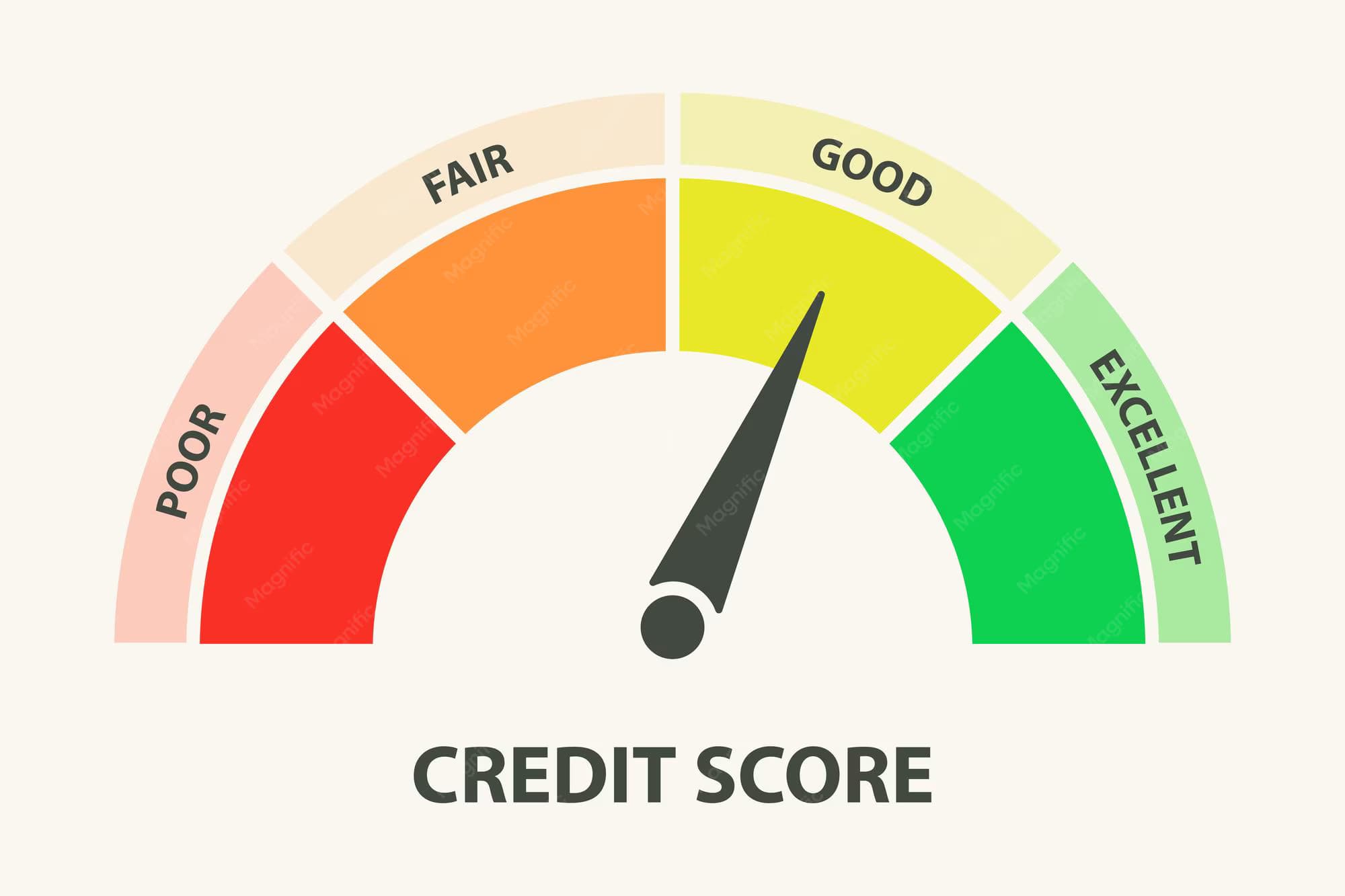
Credit score ranges give an indication of how lenders might evaluate your past borrowing habits and creditworthiness. In India, a greater score indicates positive credit-related habits and increases your chances of acquiring a loan.
|
Credit Score Range |
General Interpretation |
|
750–900 |
Excellent |
|
700–749 |
Good |
|
650–699 |
Fair |
|
Below 650 |
Needs improvement |
A score greater than or equal to 750 is generally looked upon as good; however, lenders will also look at income, past EMIs, and repayment capability. A bad credit score is not necessarily a barrier; it can alter the loan terms and conditions.
How Can You Check Your Credit Rating?
You can check your credit rating in India through registered credit information companies or authorized platforms after completing identity verification. If you are wondering how to check credit rating, reviewing your credit report can help you understand your current standing and identify any errors.
When reviewing your report, check for:
-
Errors in your personal information
-
Incorrect/unknown credit or loan accounts
-
Mismatched repayment history
-
Duplicate entries for accounts
-
Unaffiliated credit inquiries
Reviewing your credit report on an ongoing basis will also allow you to keep an eye on your credit health and be alert to any issues that could impact the terms of future loans.
How Does Credit Rating Affect Loan Eligibility?
When lenders consider a loan application, they review credit rating, among other things. A strong credit profile may benefit you by:
-
Loan approval
-
Receiving a higher eligible loan amount
-
Accessing more competitive interest rates
-
Faster processing in some cases
But your credit score isn’t the sole factor considered for loan approval; your monthly income, existing EMIs, employment history, and repayment potential also contribute. Checking personal loan eligibility and making a few strategic applications instead of mass ones will save you unnecessary hard credit inquiries.
How to Improve Your Credit Rating?
The keys to a better score are paying your dues, responsible credit, and a disciplined attitude. It does take time to build credit; it's not a sprint, it is a marathon. You may find yourself surprised at how significantly these positive practices pay off in both the short and the long term.
Pay Every Bill on Time
Pay your EMIs and credit card dues on time, and try to set reminders and set up an auto-pay option in your account.
Limit Credit Card Debt
Don't routinely spend a large part of your credit limit; responsible credit behavior helps your credit profile.
Avoid Unnecessary Loan Applications
Keep away from applying for loans and credit cards until required to prevent multiple hard inquiries in a short span.
Review Your Credit Report
A regular credit score check can help you notice inaccuracies or unfamiliar accounts on your report before they become a bigger issue.
Clear Outstanding Dues
Make a point of settling any outstanding dues and keep repaying regularly in the future.
Conclusion
A credit score is easy to ignore until the day you need a loan. By then, improving it may take time. Small habits, such as paying EMIs on time, not stretching your credit limits, and checking your report occasionally, can make a difference in the long run.
At Finnable, we believe that knowing where you stand financially before applying for credit can help avoid unnecessary uncertainty. We encourage borrowers to stay aware of their credit profile and make informed decisions instead of applying blindly. Knowing where you stand before you apply can help you borrow with more confidence.
About the Author

A credit rating for a person usually describes a judgment of their creditworthiness based on borrowing and repayment experience. Lenders evaluate the applicant by considering credit information along with other factors while granting a loan.
You could check your credit rating on registered credit bureaus or authorized providers offering credit reports and scores upon identification checks.
No. While checks on one's own credit scores are considered soft inquiries, those prompted by potential creditors may result in the inquiry being tagged as a hard one and could have a minor impact on one's credit score.
A score range starting from 750 generally indicates a strong presence, but actual minimum scores vary from banks according to employment, income, and all other existing loan obligations of the customer.
Yes, positive credit is achievable over time. Addressing outstanding debts with full, timely payments, keeping to a scheduled repayment, ensuring responsible credit usage, and avoiding multiple loan applications concurrently could slowly improve your credit standing.
What Is Credit Rating and How Is It Calculated?
What Do Different Credit Rating Ranges Indicate?
How Can You Check Your Credit Rating?
How Does Credit Rating Affect Loan Eligibility?
How to Improve Your Credit Rating?
Conclusion


