
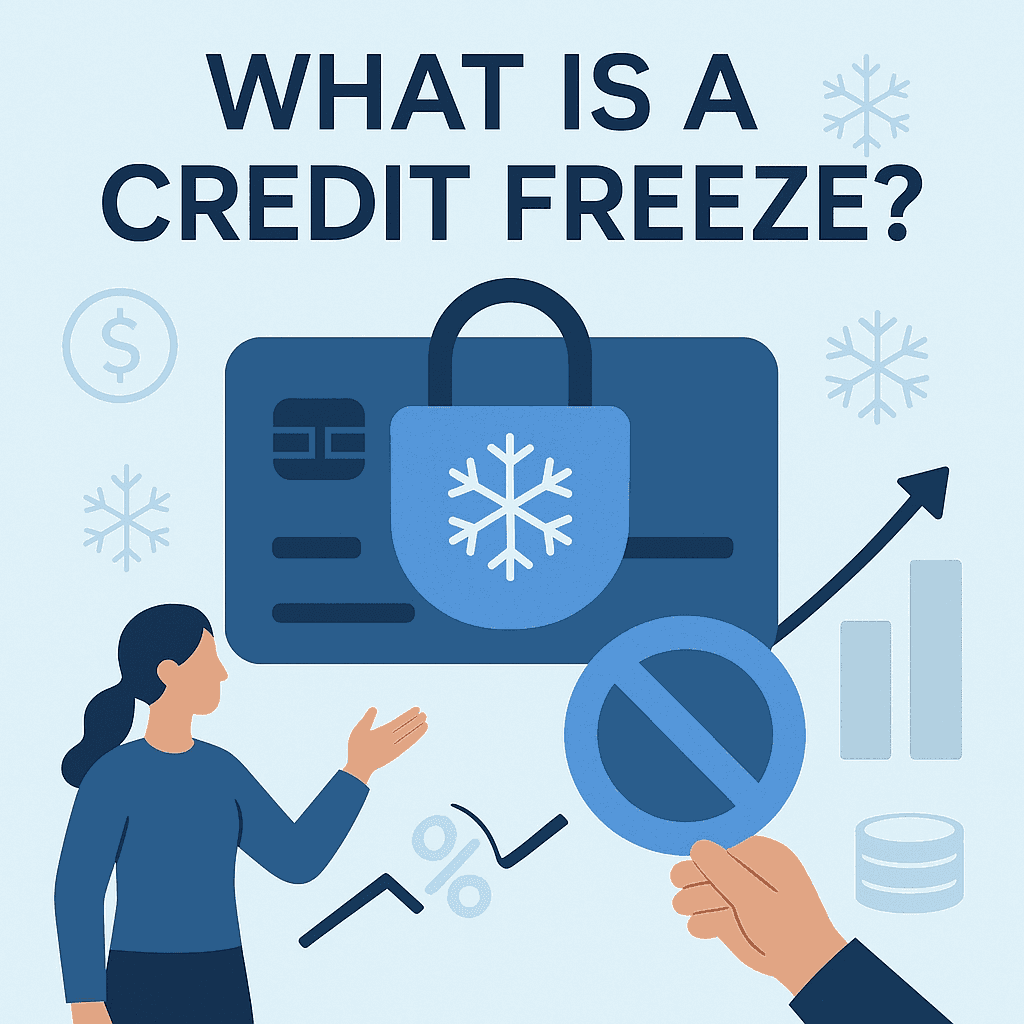
Credit Freeze Explained: What It Actually Does
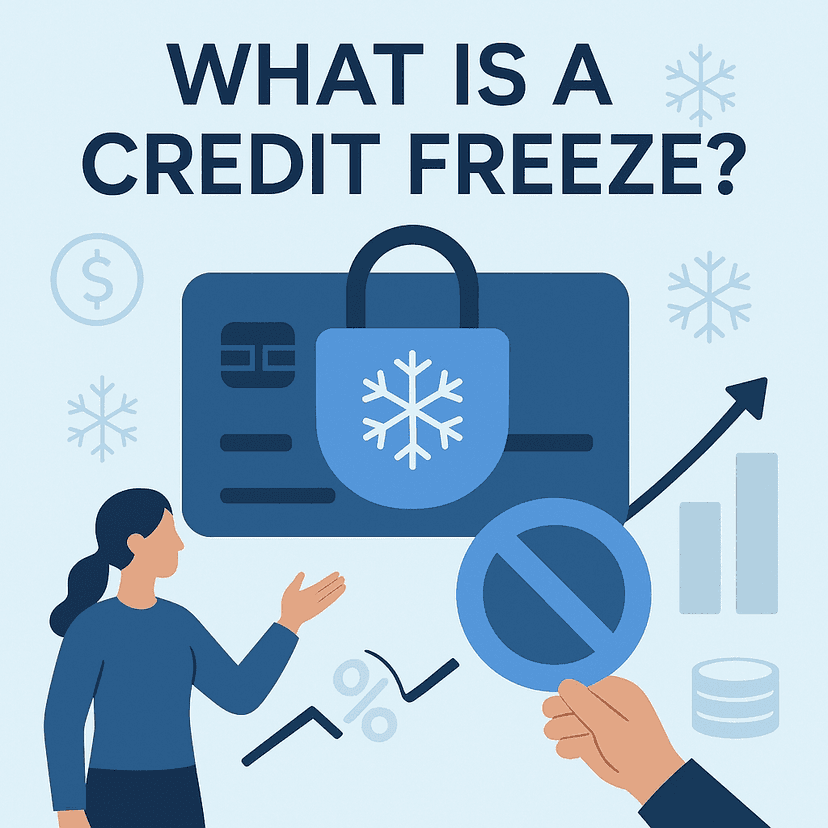

By restricting access to your credit file, a freeze can add a layer of protection against someone attempting to open new credit accounts in your name. It does not stop you from pulling your own report for review or automatically change your credit score. The procedure and terminology concerning credit freezes can differ across bureaus and countries.
Quick Reads
-
A credit freeze locks your credit report from being viewed by lenders or anyone else.
-
A freeze does not wipe out your credit information or change your credit score; neither does it prevent you from viewing it.
-
An Experian credit freeze doesn’t mean reports by Equifax or TransUnion are locked too.
-
To activate a credit freeze, you have to contact all major bureaus to know the availability and process of each separately.
Identity theft is no longer something that borrowers can ignore. India's cyber-fraud numbers bear testimony to how uncontrolled digital fraud is in the country. Government data showed reports of more than 32.80 lakh financial-fraud complaints handled through the Citizen Financial Cyber Fraud Reporting and Management System as of June 30, 2026.
However, the increasing overall incidence of digital frauds makes it important to know how one can protect one's credit information. This is when a credit freeze can be useful, as it places restrictions on who can access your credit information. In this blog, you will learn about credit freezes and how they are not always the same as a credit lock.
How Does Placing a Credit Freeze Affect Your Credit File?
Think of a credit freeze as a restriction placed on access to the information contained in your credit file. When the freeze is on, a potential lender that wanted to check the new application for credit by accessing the report might fail at the attempt. And since such reports are often used as a basis for consideration of any loan or credit card offer, this measure may prevent identity thieves from getting a new loan under someone’s name.
However, a credit freeze itself will not rewrite the entire history of credit. All the accounts, previous payment data, and other entries stay as they are. Moreover, a credit freeze will not improve or worsen one’s credit score as well.
How Does the Credit-freezing Process Work for Indian Consumers?
India has four credit information companies: TransUnion CIBIL, Experian, Equifax, and CRIF High Mark. A restriction placed on one bureau’s report is not necessarily reflected across the others. This is important because many lenders use any of these agencies to check a customer’s application.
Before you take any action to put a freeze or something similar, ask these questions:
-
If the bureau offers the service,
-
What identification is needed,
-
Whether you get a reference or confirmation number,
-
How to remove or temporarily lift the restriction,
-
How long it will take to remove,
-
Whether it's free of charge,
-
And whether you have to do the same with other bureaus.
How Does a Credit Freeze Differ From a Credit Lock?
The terms credit freeze and credit lock often overlap while describing credit protection measures, but they apply to different mechanisms depending on the bureau and the country.
A credit freeze is designed as an ongoing protective measure, remaining in place until you decide to remove the restriction. It is appropriate to use in a situation where you think your personal or financial information has been compromised, or if you just want to prevent new credit lines from being opened in your name.
A credit lock is meant to be more of a short-term option that allows consumers to easily open and close access to their credit reports, usually through an online account with the credit bureau. Credit locks can carry a monthly fee and are beneficial for those who want to allow creditors to view their credit reports periodically.
Why Might Someone Want to Freeze Their Credit?
A credit freeze is not something that you have to keep active all the time; however, certain situations can make it useful to restrict access to who can view your credit report in order to safeguard yourself from identity theft or financial fraud.
After Identity Theft or a Data Breach
In the wake of having your personal information stolen or realizing that someone may have used your personal information to access credit, putting a restriction on your credit report may be an effective way of adding another layer of protection.
You should also take advantage of the proper channels to report cyber fraud, such as India's National Cyber Crime Reporting Portal and 1930 cyber-fraud helpline.
When You Do Not Need New Credit
For someone who doesn't anticipate the need for a loan or credit card for some time to come, a restriction may be a good way of preventing identity theft. However, keep in mind that a credit freeze will make obtaining new credit more difficult, and you may want to avoid the trouble of unfreezing for just one inquiry.
Conclusion
A credit freeze gives an extra layer of protection to your credit file by restricting access to it, especially when you observe that your personal information is compromised. It does not erase or remove your history of credit, and the repayments that you make continue to be reported and documented even when your credit is frozen.
Security and convenience can sometimes work against each other. A credit freeze, while an added layer of security, can also become an extra step if you need new credit. Think about a freeze, or other restriction, only if the need arises. And then, always check that the restriction has been lifted before applying for any new credit, so that you don't have to worry about new applications being denied.
About the Author

A credit freeze is usually a formal restriction on the disclosure of a credit report, while a credit lock is generally intended to make locking and unlocking more convenient. However, specific terminology and features can vary by bureau and country.
A credit freeze is meant to control access to your credit report, not your credit data or history. Consequently, it does not, by itself, improve your credit score or erase your credit history. Your existing repayments can continue being reported even when your credit is frozen.
You can still submit your request, but the lender may not be able to access your file to review your request. It means that you have to unfreeze the credit report to allow your application to move forward in the process.
Yes, you should consider freezing your credit when you detect that your personal information has been compromised; however, you should not depend solely on this security measure. Regularly monitoring your credit file can help you spot unfamiliar accounts or transactions early and take action if something appears fraudulent.
How Does Placing a Credit Freeze Affect Your Credit File?
How Does the Credit-freezing Process Work for Indian Consumers?
How Does a Credit Freeze Differ From a Credit Lock?
Why Might Someone Want to Freeze Their Credit?
Conclusion


