
CIBIL Score for Education Loan: What Lenders Check Before Approval

Loan in
60 Minutes
Introduction
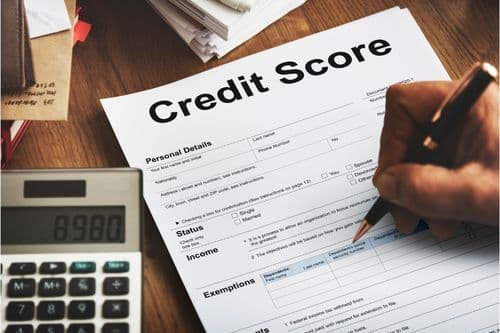
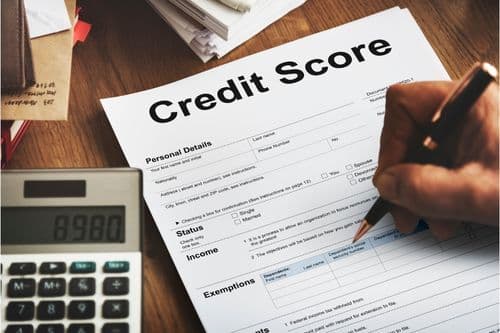
When applying for an education loan, one of the key factor's lenders evaluate is your CIBIL score. This three-digit number, ranging from 300 to 900, reflects your creditworthiness and plays a significant role in the loan approval process. A higher CIBIL score often means better chances of securing a loan at favourable terms, while a lower score might lead to higher interest rates or even rejection. In this blog, we’ll explore how your CIBIL score influences education loan approvals, what lenders typically look for, and how you can improve your credit score to increase your chances of approval.
Why Credit Scores Matter for Education Loans
Unlike personal loans where borrower income drives approval, education loans present unique challenges. Students rarely have income. Fresh graduates carry zero credit history. The entire risk assessment shifts to co-applicants, usually parents or guardians.
The education loan CIBIL score requirement focuses on repayment assurance during the moratorium period and beyond. Lenders want confidence that someone will cover EMIs once the course ends and the grace period expires.
The Co-Applicant Factor
Most education loans above ₹4 lakhs mandates co-applicants. The co-applicant's credit profile often matters more than the students. Banks evaluate:
- Parent's CIBIL score (primary focus for unsecured loans)
- Existing debt obligations of co-applicant
- Income stability and repayment capacity
- Previous loan repayment track record
A parent with a 780 score and clean repayment history can secure education loans even when the student has no credit file whatsoever. Conversely, a student with excellent academics might face rejection if the co-applicant carries defaults or high existing debt.
Minimum CIBIL Score for Education Loan by Lender Type
Different institutions set different thresholds. . The minimum CIBIL score for education loan approval isn't universal, so understanding these variations helps target applications appropriately.
Public Sector Banks
|
Loan Type |
Score Requirement |
Notes |
|
Up to ₹4 lakhs |
650+ |
Often flexible with collateral |
|
₹4-7.5 lakhs |
700+ |
Co-applicant mandatory |
|
Above ₹7.5 lakhs |
725+ |
Collateral usually required |
Public banks offer competitive rates (8.5-10.5% currently) but maintain stricter documentation requirements. Processing takes 15-30 days typically.
Private Banks
Minimum CIBIL score for education loan at private banks generally starts at 700 for the co-applicant. Students with their own credit history need 680+. Interest rates range from 9.5-13% depending on the institution, course, and study destination.
Private banks process faster (7-15 days) but may charge higher processing fees (0.5-1% of loan amount).
NBFCs and Specialised Education Lenders
Credila, Avanse, HDFC Credila, and similar entities focus exclusively on education financing. Their evaluation goes beyond pure credit scores.
These lenders consider:
- Course employability and ROI potential
- Target institution ranking and reputation
- Future earning capacity projections
- Collateral value (if provided)
NBFCs approve loans with co-applicant scores as low as 650 when other factors compensate. Interest rates run higher (11-14%) but accessibility improves significantly.
Getting Education Loans Without a Credit Score
Students entering college at 17-18 rarely have credit histories. Parents sometimes lack formal credit profiles too, especially in tier-2 and tier-3 cities where cash transactions dominate. Getting an education loan without CIBIL score remains possible through several routes.
Government Schemes
The Central Government's Interest Subsidy Scheme covers interest during moratorium for students from families earning below ₹4.5 lakhs annually. CIBIL requirements get waived for these applicants since the government provides partial guarantee.
Vidyalakshmi Portal connects students with multiple bank schemes. Documentation and academic merit weigh more than credit scores here.
Collateral-Based Loans
Offering property as security changes the entire approval dynamic. With adequate collateral (typically 100-150% of loan value), banks approve education loans regardless of credit scores.
Fixed deposits, insurance policies, and gold also serve as collateral. The secured nature reduces lender risk, making credit history less critical.
Income-Based Assessment
Some lenders evaluate co-applicant income rather than credit history. A government employee or PSU worker with stable salary slips might secure approval despite mediocre credit scores. Income proof through ITRs and bank statements substitutes for CIBIL evaluation.
How Credit Scores Affect Loan Terms
How Credit Scores Affect Loan Terms
Beyond simple approval or rejection, CIBIL scores influence multiple loan parameters.
Interest Rate Impact
The spread can be substantial:
- 750+ score: Base rate or base rate + 0.25%
- 700-749 score: Base rate + 0.5% to 1%
- 650-699 score: Base rate + 1.5% to 2.5%
Below 650: May require collateral or face rejection
On a ₹20 lakh loan over 15 years, a 1% interest difference translates to approximately ₹2.5 lakhs in additional payments over the tenure.
Processing Priority
High-score applicants move through verification faster. Documentation scrutiny reduces. Approval timelines compress from weeks to days.
Collateral Requirements
Lenders may waive collateral requirements for applicants above 750. Those below 700 often face mandatory security demands even for modest loan amounts.
Improving Credit Scores Before Application
Education loan applications can be planned 6-12 months ahead, providing time for score improvement.
For Students Building First Credit
Secured credit cards linked to fixed deposits help build history safely. A ₹10,000 FD can secure a card with similar limit. Using 20-30% of the limit and paying in full monthly establishes positive patterns.
Add-on cards on parent's accounts also generate credit history for students.
For Co-Applicants Needing Score Boost
Clear outstanding credit card dues completely. Utilisation above 30% drags scores down regardless of timely payments.
Check credit reports for errors. Disputed transactions, wrong late-payment entries, or accounts belonging to others with similar names appear frequently. Disputing through CIBIL portal takes 30-45 days for resolution.
Avoid new loan applications in the 6 months before education loan filing. Each enquiry drops scores by 5-10 points temporarily.
Timeline for Score Recovery
|
Starting Score |
Target Score |
Typical Timeline |
|
600-650 |
700+ |
6-9 months |
|
650-700 |
750+ |
4-6 months |
|
700-750 |
780+ |
2-4 months |
Application Documentation Checklist
Complete documentation accelerates approval regardless of score levels.
Student Documents
- Admission letter or offer from institution
- Academic records (mark sheets from Class 10 onwards)
- Entrance exam scorecards (if applicable)
- Course fee structure from institution
- Passport and visa documents (for overseas study)
Co-Applicant Documents
- Identity proof (Aadhaar, PAN mandatory)
- Income documentation (salary slips, ITRs, Form 16)
- Address proof (utility bills dated within 3 months)
- Bank statements for 6-12 months
- Existing loan statements (if any)
Property Documents (If Offering Collateral)
- Sale deed or title documents
- Encumbrance certificate
- Property valuation report
- NOC from society (for apartments)
Education Loans and Future Credit Impact
Education loan repayment behaviour affects long-term credit health significantly.
During Moratorium Period
Most education loans offer moratorium (course duration plus 6-12 months grace period). During moratorium, the loan appears on credit reports but without repayment expectations. No negative impact occurs.
After Repayment Begins
Timely EMI payments build strong credit history. Education loans held responsibly for 3-5 years create excellent credit profiles for young professionals.
Missed payments damage scores severely. A single 90-day delay can drop scores by 100+ points and remain on records for 7 years.
For Future Financial Goals
A well-managed education loan helps when applying for car loans, home loans, or credit cards later. Lenders view education loan completion positively, recognising the borrower's discipline over an extended period.
Making Education Financing Work with Finnable
The CIBIL score for education loan approval represents one factor among several. Students and parents can improve approval odds by understanding lender-specific requirements, preparing comprehensive documentation, and addressing credit weaknesses well before application deadlines.
For those needing personal loans for education related expenses not covered by education loans (living costs, equipment, travel), Finnable provides personal loans from ₹50,000 to ₹10 lakhs at interest rates from 15% to 30.99% p.a., with approval in as fast as 60 minutes. The evaluation considers income stability, employer reputation, and banking behaviour alongside CIBIL scores, accommodating borrowers with scores as low as 675.
About the Author

Most lenders require 700+ for the co-applicant for unsecured education loans above ₹4 lakhs. Secured loans with collateral may get approved with scores as low as 600-650. Government schemes through Vidyalakshmi Portal often bypass credit score requirements entirely.
Private banks typically need a co-applicant score of 700 or above. Students with existing credit history should aim for 680+. Some NBFCs specialising in education finance consider scores as low as 650 when the course and institution have strong placement records.
Students without credit history regularly secure education loans through co-applicants (usually parents). The co-applicant's credit profile drives the approval decision. Alternatively, offering collateral eliminates the need for credit history from either party.
If the student is listed as primary applicant or co-applicant, defaults appear on their credit report. This damages their CIBIL score significantly, affecting future credit access for car loans, home loans, and credit cards throughout their career.
Check credit reports at least 6 months before applying. This provides time to dispute errors, clear outstanding dues, and improve credit behaviour. Free annual reports are available from CIBIL, Experian, and Equifax.
Most banks and NBFCs check credit scores for education loan applications. However, the weight given to scores varies. Government scheme loans and fully secured loans may have relaxed or waived credit requirements.
Introduction
Why Credit Scores Matter for Education Loans
Minimum CIBIL Score for Education Loan by Lender Type
Getting Education Loans Without a Credit Score
How Credit Scores Affect Loan Terms
Improving Credit Scores Before Application
Application Documentation Checklist
Education Loans and Future Credit Impact
Making Education Financing Work with Finnable