
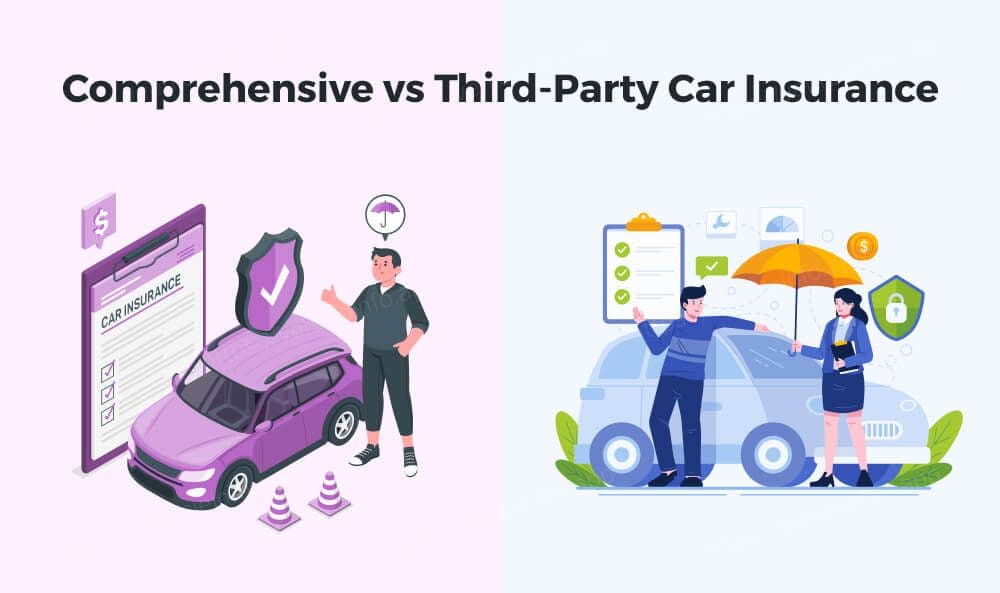
Car Insurance Third-Party vs Comprehensive : What’s Right for You?

Loan in
60 Minutes
Introduction
Driving a car in India is as much a responsibility as it is a convenience. One of the most critical aspects of car ownership is ensuring that you have the right insurance. But with so many options available, the decision often boils down to choosing between third-party car insurance and comprehensive car insurance.
Understanding the difference between the two and evaluating your needs can save you from unnecessary expenses and legal troubles. In this blog, we’ll delve into the nuances of both insurance types, their benefits, and which one might be the best fit for you.
What is Car Insurance?
Car insurance is a mandatory financial safety net that protects vehicle owners against damages or liabilities arising from accidents, theft, or other unforeseen events. In India, driving without a valid car insurance policy is not just risky but also illegal.
There are two primary types of car insurance policies:
- Third-Party Insurance: A basic policy covering liabilities towards a third party.
- Comprehensive Insurance: A more extensive policy that also covers damage to your vehicle.
What is Third-Party Car Insurance?
Third-party car insurance is the most basic and mandatory form of car insurance under the Motor Vehicles Act in India. It primarily protects you against financial liabilities towards third parties in case of an accident.
Key Features :
- Legal Compliance: Mandatory for all vehicles on Indian roads.
- Covers Third-Party Damage: Includes damage to another person’s vehicle, property, or injury to a third party.
- Affordable Premiums: One of the most cost-effective car insurance options.
Limitations :
- No coverage for your car’s damages.
- Limited financial protection in case of severe accidents or theft.
What is Comprehensive Car Insurance?
Comprehensive car insurance offers extensive coverage, including third-party liabilities and damages to your vehicle due to accidents, theft, natural disasters, or even man-made events like vandalism.
Key Features :
- All-Round Protection: Covers third-party liabilities and damage to your car.
- Customizable with Add-Ons: Options like zero depreciation, engine protection, and roadside assistance enhance coverage.
- Peace of Mind: Offers financial protection in diverse scenarios.
Limitations
- Higher premiums compared to third-party insurance.
- May not be cost-effective for older or low-value cars.
Car Insurance - Third-Party vs Comprehensive: Key Differences

Choosing between car insurance third-party vs comprehensive depends on your budget, vehicle value, and risk tolerance. Here’s a side-by-side comparison:
| Aspect | Third-Party Insurance | Comprehensive Insurance |
| Coverage | Covers third-party liabilities only | Covers third-party liabilities + own damages |
| Premiums | Lower | Higher |
| Legal Requirement | Mandatory | Optional |
| Add-Ons | Not available | Multiple options available |
| Ideal For | Budget-conscious owners of old cars | Owners of new, high-value cars |
When to Choose Third-Party Car Insurance
- Budget Constraints : If you’re looking for an affordable option that fulfills legal requirements, third-party insurance is a good choice.
- Old or Low-Value Cars : For cars with low market value, it might not make sense to invest in comprehensive insurance.
- Minimal Driving : If you rarely use your car and the chances of damage are minimal, third-party insurance is sufficient.
When to Choose Comprehensive Car Insurance
- New or High-Value Cars : Protecting an expensive car requires extensive coverage to manage repair or replacement costs.
- High-Risk Zones : If you live in areas prone to theft, accidents, or natural disasters, comprehensive insurance provides better financial security.
- Peace of Mind : Comprehensive insurance eliminates the stress of financial loss, ensuring you’re covered in various scenarios.
Pros and Cons of Car Insurance - Third-Party vs Comprehensive
Third-Party Insurance
Pros
- Affordable premiums.
- Legal compliance.
- Straightforward claims process for third-party liabilities.
Cons
- No coverage for your vehicle’s damages.
- Limited financial protection.
Comprehensive Insurance
Pros
- Extensive coverage for third-party liabilities and own damages.
- Offers peace of mind in diverse situations.
- Customizable with add-ons.
Cons
- Higher premiums.
- May not be cost-effective for older vehicles.
How to Choose the Right Car Insurance
- Assess Your Needs: Evaluate your car’s value, usage, and the risks involved.
- Compare Policies: Use online tools to compare premiums and coverage.
- Check Insurer Reputation: Look for high claim settlement ratios and positive reviews.
- Consider Add-Ons: Enhance coverage with relevant add-ons like zero depreciation or engine protection.
- Understand Policy Terms: Read the fine print to avoid surprises during claims.
Conclusion
Choosing between car insurance third-party vs comprehensive ultimately depends on your vehicle, financial goals, and risk appetite. Third-party insurance is perfect for those on a tight budget or with older cars, while comprehensive insurance provides unmatched peace of mind and extensive coverage for new or high-value vehicles.
By understanding your needs and comparing options, you can make an informed decision that offers the right balance between affordability and protection. Remember, the best car insurance is the one that keeps you and your finances secure.
About the Author

Yes, third-party insurance is mandatory under the Motor Vehicles Act to ensure financial protection for third parties involved in accidents.
Yes, you can upgrade your policy at any time by contacting your insurer and paying the difference in premiums.
Add-ons are additional coverage options like zero depreciation, roadside assistance, or personal accident cover that enhance your policy.
For new or high-value cars, comprehensive insurance is worth the cost due to its extensive coverage.
Yes, comprehensive insurance covers damages caused by floods, earthquakes, cyclones, and other natural calamities.
Introduction
What is Car Insurance?
What is Third-Party Car Insurance?
What is Comprehensive Car Insurance?
Car Insurance - Third-Party vs Comprehensive: Key Differences
When to Choose Third-Party Car Insurance
When to Choose Comprehensive Car Insurance
Pros and Cons of Car Insurance - Third-Party vs Comprehensive
How to Choose the Right Car Insurance
Conclusion


