
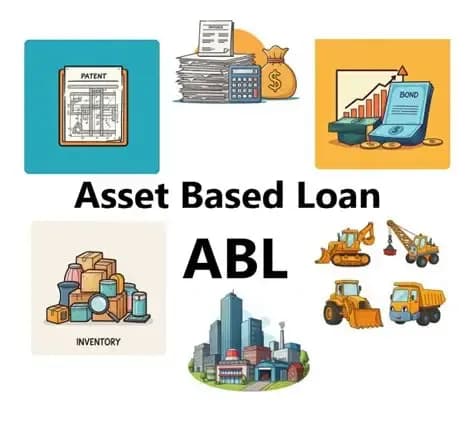
Asset Based Loan: How It Works & Key Benefits Explained 
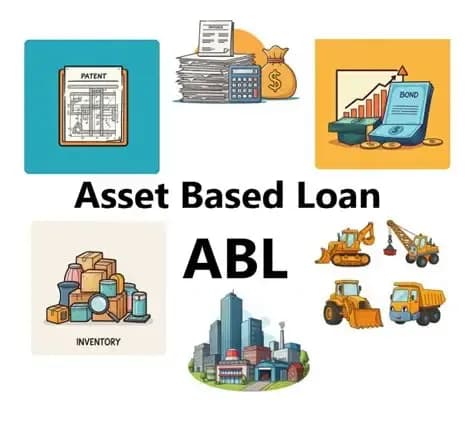
January 07, 202605:30 AM
lead capture form icon
Get Personal
Loan in
60 Minutes
+91

Running a business often means you need capital when opportunities arise, but traditional bank loans can be slow and restrictive. That's where an asset-based loan comes in. It's a financing option that uses your existing business assets as collateral, giving you access to funds based on what you already own. 

This guide explains everything you need to know about asset-based loans, from how they work to whether they're right for your business. 

What Is an Asset Based Loan? 

An asset-based loan is a type of secured business financing where you borrow money using your company's assets as collateral. The loan amount you can access depends on the value of these assets, not just your credit worthiness or revenue figures. 

Think of it this way: you've got ₹50 lakh worth of inventory sitting in your warehouse. An asset based loan lets you unlock 60-80% of that value as working capital without having to sell the inventory. You get the funds you need whilst your business operations continue as normal. 

These loans are particularly popular amongst manufacturing companies, wholesalers, and businesses with significant physical assets. They're designed for situations where you need capital but your profit margins are tight, or your business is in a growth phase. 

Difference Between Asset Based Loan and Asset Backed Loan 

People often confuse these two terms, but there's a crucial difference. Let's clear this up: 

Asset Based Loan: 

  • Uses your current business assets as ongoing collateral 
  • Asset values fluctuate based on market conditions 
  • Typically used for working capital and operational needs 
  • Revolving credit facility that adjusts with asset values 
  • Common in manufacturing and wholesale businesses 

Asset Backed Loan: 

  • Secured by specific assets that are pooled and securitised 
  • Often involves receivables or future cash flows 
  • Fixed loan amount based on initial valuation 
  • More common in structured finance and larger corporations 
  • Can be sold to investors as securities 

The key distinction: asset-based loans are dynamic and revolve around your changing asset base, whilst asset backed loans are typically one-time financing against specific assets or cash flows. 

For most small to medium businesses, you're looking at asset-based loans rather than asset backed loans. The latter is usually in the domain of larger financial institutions and corporate financing. 

Common Types of Assets Used as Collateral 

Not all assets qualify for an asset-based loan. Lenders typically accept: 

Accounts Receivable: 

  • Outstanding invoices from creditworthy customers 
  • Usually valued at 70-85% of face value 
  • Most liquid form of collateral 
  • Quick to convert to cash if needed 

Inventory: 

  • Raw materials, work-in-progress, finished goods 
  • Valued at 50-60% typically 
  • Must be marketable and not perishable 
  • Regular audits required 

Equipment and Machinery: 

  • Manufacturing equipment, vehicles, tools 
  • Valued at 50-80% depending on age and condition 
  • Must be owned outright (not leased) 
  • Easier to value than inventory 

Real Estate: 

  • Commercial property owned by the business 
  • Can increase loan amounts significantly 
  • Subject to property valuation 
  • Typically valued at 60-75% of market value 

Most asset-based loans use a combination of these. A manufacturing business might pledge inventory, receivables, and equipment together to maximise their borrowing capacity. Understanding how your business assets can support financing is crucial for planning. 

How Asset Based Loans Work 

Loan Approval Process 

Getting an asset-based loan is different from applying for a traditional bank loan. Here's what happens: 

Step 1: Initial Assessment 

You approach a lender with details about your business assets. They'll want to know what you own, how much it's worth, and how you plan to use the funds. 

Step 2: Asset Audit 

The lender conducts a thorough audit of your assets. This isn't just paperwork—they'll physically verify inventory, review receivables, and inspect equipment. They're essentially confirming that what you claim to own exists and is worth what you say. 

Step 3: Valuation 

Once assets are verified, the lender determines their borrowing base value. This is always lower than market value because lenders need a cushion in case they must liquidate. 

Step 4: Loan Structure 

Based on valuation, the lender offers terms: interest rate, fees, reporting requirements, and covenants. You'll typically get 60-80% of eligible asset values. 

Step 5: Ongoing Monitoring 

Unlike a one-time loan, asset-based lending requires regular reporting. You'll submit monthly or quarterly asset reports, and the lender may conduct periodic audits. 

The whole process typically takes 4-8 weeks for first-time borrowers, though renewals are faster. 

Valuation of Assets 

Asset valuation isn't straightforward. Different assets have different advance rates: 

Valuation Factors: 

  • Liquidity: How quickly can the asset be sold? 
  • Market demand: Is there a ready market for this asset? 
  • Condition: Age, functionality, maintenance history 
  • Obsolescence risk: Will this asset lose value quickly? 

For instance, a high-quality CNC machine in good condition might get valued at 70% of purchase price, whilst specialised equipment with limited buyers might only get 40-50%. 

The lender's goal is conservative valuation. They assume a distressed sale scenario, not ideal market conditions. This protects them but also limits how much you can borrow. 

Loan-to-Value Ratios Explained 

Loan-to-value (LTV) ratio determines how much you can borrow against each asset type. Here's a typical structure: 

Asset Type 

Typical LTV Ratio 

Example 

Accounts Receivable (quality customers) 

75-85% 

₹75-85 lakh on ₹1 crore invoices 

Inventory (finished goods) 

50-60% 

₹50-60 lakh on ₹1 crore inventory 

Equipment (modern, marketable) 

60-80% 

₹60-80 lakh on ₹1 crore equipment 

Real Estate (commercial) 

60-75% 

₹60-75 lakh on ₹1 crore property 

Your total borrowing capacity is the sum of all eligible assets at their respective LTV ratios, minus any existing debt on those assets. 

Interest Rates and Terms 

Asset based loans typically have higher interest rates than traditional secured loans because they're seen as higher risk. Here's what to expect: 

Interest Rates: 

  • Generally, range from 12% to 18% p.a. for business asset-based loans 
  • Lower than unsecured business loans (which can go 20%+) 
  • Rates depend on asset quality and business stability 
  • May include arrangement fees of 1-3% 

Loan Terms: 

  • Usually structured as revolving credit (like a credit card) 
  • 1–5-year terms are common 
  • Can be renewed if business performance is satisfactory 
  • Prepayment typically allowed without penalties 

The beauty of asset-based lending is flexibility. As your asset base grows, your borrowing capacity increases automatically. As it shrinks, you may need to repay portions of the loan. 

For businesses that need working capital but don't qualify for traditional loans, asset-based financing provides an alternative. However, if you need personal financing whilst building your business, Finnable offers personal loans from ₹50,000 to ₹10 lakhs with interest rates from 15% to 30.99% p.a., which can help bridge immediate funding gaps. 

Benefits of Asset Based Loans 

Advantages for Businesses 

Asset based loans offer several compelling benefits: 

Access to Larger Amounts: 

Because borrowing is tied to asset value rather than just income, you can often access more capital than with traditional loans. A business with ₹2 crore in eligible assets might secure ₹1.2-1.5 crore in funding. 

Faster Approval: 

Once the asset audit is complete, funding can happen quickly. Some lenders disburse within 2-3 weeks after asset verification. 

Less Credit-Dependent: 

Your credit score matters, but it's not the only factor. Lenders focus heavily on asset quality, which helps businesses with imperfect credit histories. 

Growth Support: 

As your business grows and acquires more assets, your credit line grows with it. You're not locked into a fixed amount. 

Flexibility in Use: 

Unlike equipment loans or property mortgages, asset-based loans usually allow you to use funds for various business purposes: inventory purchase, payroll, expansion, or covering seasonal gaps. 

Risks and Considerations 

Potential Drawbacks 

Asset based loans aren't perfect. Here are the downsides: 

Higher Costs: 

Interest rates are typically higher than prime lending rates. Add in arrangement fees, audit costs, and monitoring charges, and the total cost of borrowing can be significant. 

Administrative Burden: 

Regular reporting requirements mean extra work. You'll need to track asset values, submit reports monthly or quarterly, and accommodate periodic audits. 

Borrowing Limits Can Drop: 

If your inventory value falls or customers delay payments, your borrowing base shrinks. The lender may require immediate partial repayment, which can create cash flow stress. 

Asset Restrictions: 

You can't freely sell pledged assets without lender approval. This limits operational flexibility in some cases. 

Collateral Risks 

The biggest risk is straightforward: if you default, you lose your assets. 

  • What You Risk: 
  • Manufacturing equipment essential to operations 
  • Inventory you've already paid for 
  • Receivables from customers 
  • Commercial property housing your business 

Unlike personal loans where impact is primarily financial, losing business assets can mean shutting down operations entirely. A manufacturing unit that loses its machinery can't fulfil orders, leading to a cascade of problems. 

Before pledging assets, honestly assess your repayment capacity. If business conditions deteriorate, can you still meet obligations? Running scenarios through a personal loan eligibility calculator style tool for business loans can help gauge affordability. 

Who Should Consider an Asset Based Loan? 

Ideal Business Profiles 

Asset based loans work best for: 

Manufacturing Companies: 

  • High inventory and equipment values 
  • Steady production cycles 
  • Need working capital for raw materials 

Wholesale Distributors: 

  • Large inventory holdings 
  • Extended payment terms with retailers 
  • Seasonal buying patterns 

Import-Export Businesses: 

  • Significant receivables from international clients 
  • Inventory in transit or warehoused 
  • Need to bridge payment gaps 

Growing Businesses: 

  • Expanding operations but limited profit history 
  • Acquiring new equipment or opening new locations 
  • Strong asset base but tight cash flow 

How to Apply for an Asset Based Loan 

Documents and Information Needed 

Getting organised before applying speeds up the process significantly: 

Financial Documents: 

- Last 3 years of audited financial statements 

- Recent management accounts (past 6-12 months) 

- Cash flow projections for the next 12-24 months 

- List of all business debts and obligations 

Asset Documentation: 

- Detailed inventory lists with values 

- Ageing report for accounts receivable 

- Equipment list with purchase dates and current values 

- Property valuation reports (if applicable) 

Business Information: 

- Business registration certificates 

- GST registration 

- PAN card and other tax documents 

- Details of key customers and suppliers 

Legal Documents: 

- Partnership deed or company incorporation documents 

- Any existing loan agreements 

- Details of existing liens on assets 

Missing documentation is the main reason applications drag on for months. Get everything together upfront. 

Choosing the Right Lender 

Not all asset-based lenders are the same. Consider their industry expertise, asset preferences, service quality, overall cost (including fees and audits), and reputation. Since asset-based lending is a long-term relationship, choose a lender that understands your business and offers reliable support. 

Tips for Improving Approval Chances 

  • Maintain Clean Asset Records 
  • Strengthen Receivables Quality 
  • Address Credit Issues Proactively 
  • Start with Conservative Requests 
  • Get Professional Advice 
  • Prepare for Audits 

While asset-based loans serve business needs, many entrepreneurs also need personal financial support during business building phases. At Finnable, we offer personal loans with interest rates from 15% to 30.99% p.a. based on your credit profile, with processing fees up to 4%. We evaluate your complete financial picture, not just your CIBIL score. Check your eligibility now and get approval in as fast as 60 minutes. 

user Image
Amit Arora
Co Founder
I am a seasoned retail banker with over 21 years of global experience across business, risk and digital. In my last assignment as Global Head Digital Capabilities, I drove the largest change initiative in the bank to deliver the end-to-end digital program with over US$1 billion in planned investment. Prior to that, as COO for Group Retail Products & Digital, I implemented a risk management framework for retail banking across the group.

lead capture form icon
Get Personal
Loan in
60 Minutes
+91
Table of Contents

What Is an Asset Based Loan? 

Difference Between Asset Based Loan and Asset Backed Loan 

Common Types of Assets Used as Collateral 

How Asset Based Loans Work 

Valuation of Assets 

Loan-to-Value Ratios Explained 

Interest Rates and Terms 

Benefits of Asset Based Loans 

Risks and Considerations 

Collateral Risks 

Who Should Consider an Asset Based Loan? 

How to Apply for an Asset Based Loan 

Choosing the Right Lender 

Tips for Improving Approval Chances